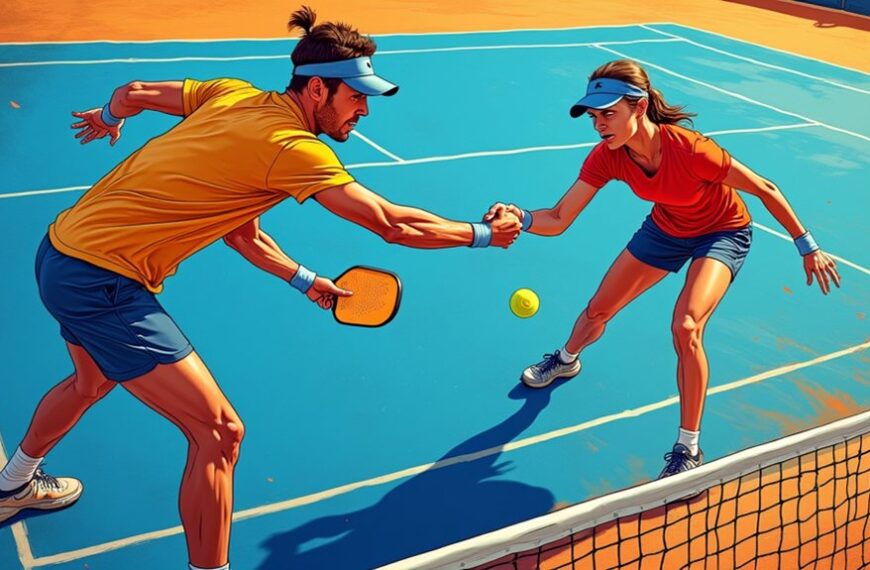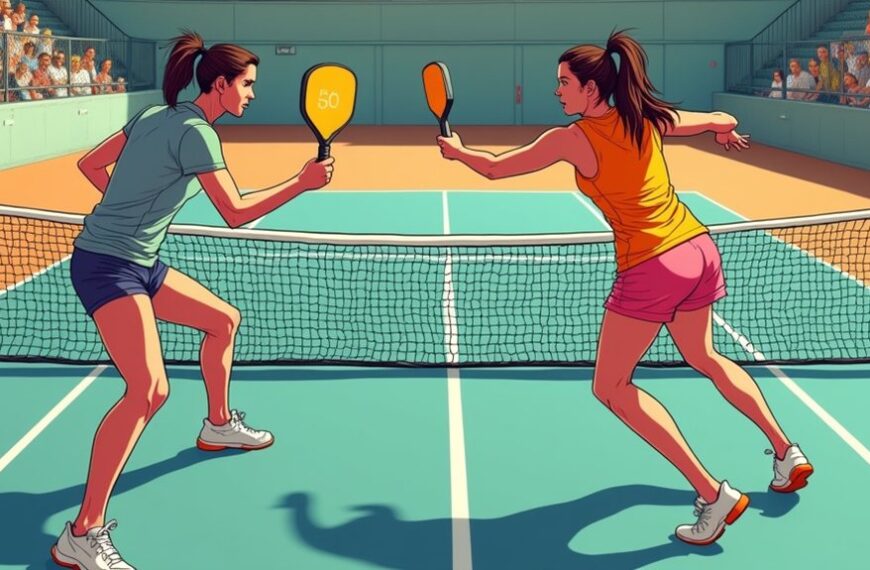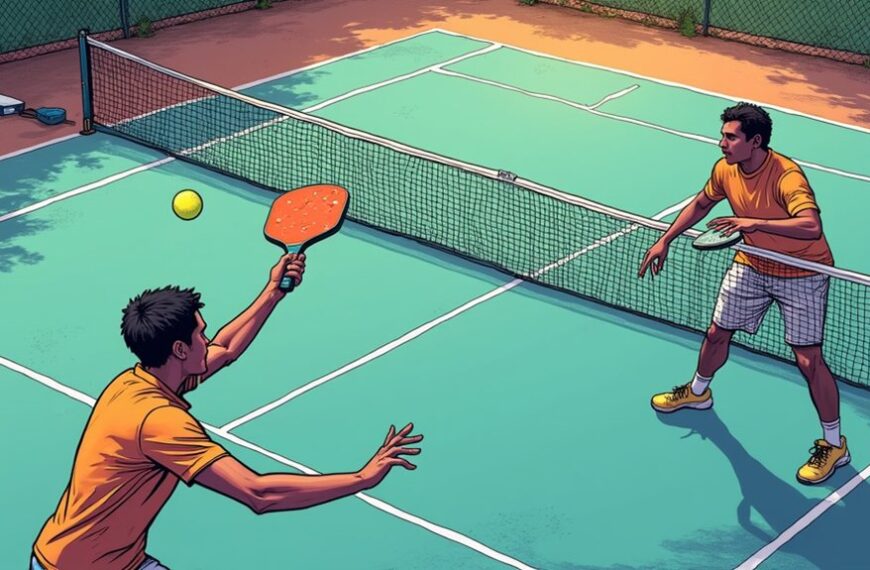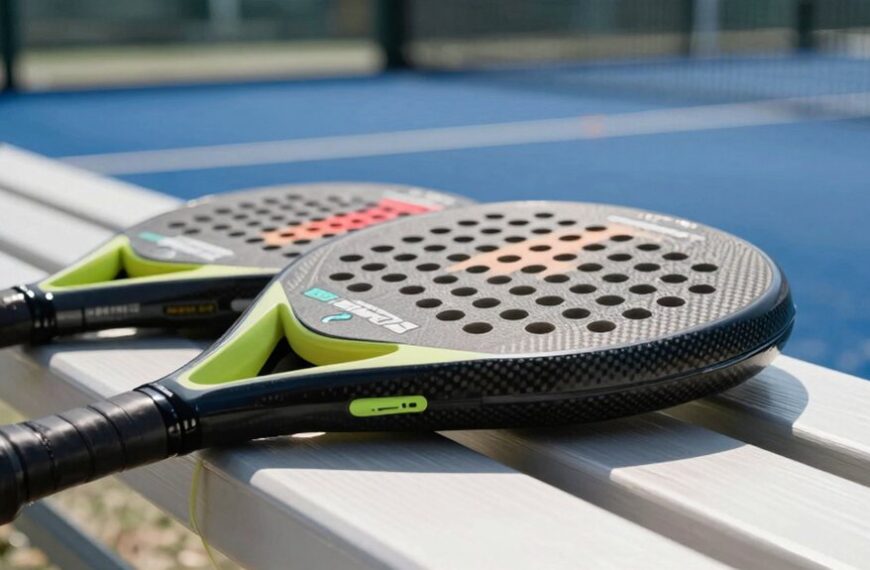
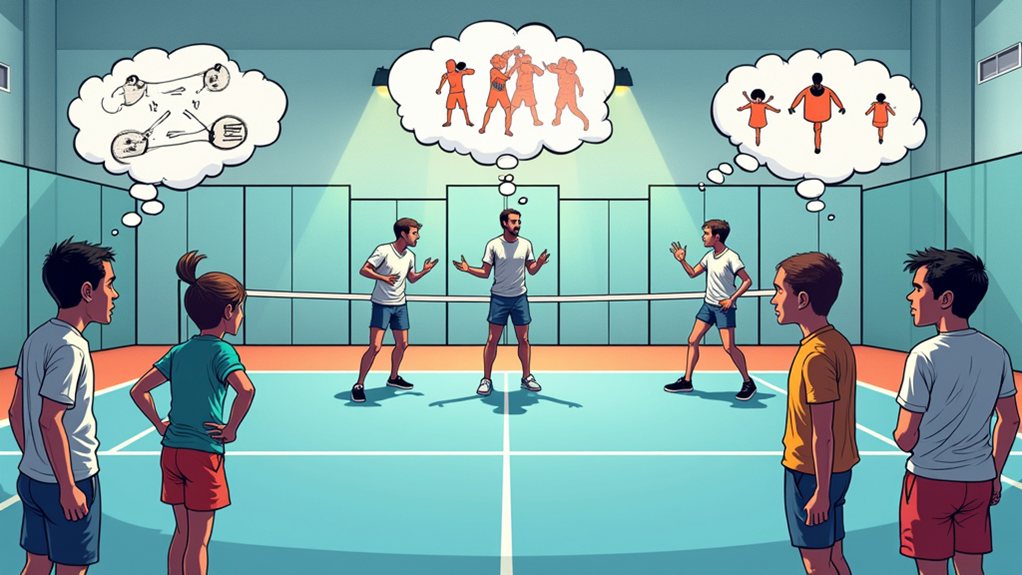
New padel coaches consistently see eight mistakes that cost you points: you stay at the baseline instead of advancing 2+ steps toward the net after hitting winners; you skip the split step before each shot, losing reactive power; you overhit instead of prioritizing placement, causing unforced errors; you ignore the walls and glass, missing easy tactical rebounds; you fail to communicate with your partner using clear calls like “mine” or “yours”; you carry over tennis habits like using full swings on every shot; you rush shots without proper preparation; and you position too far from the back wall during baseline exchanges.
Continuing to address these issues will greatly improve your game.
Positioning Mistakes That Cost You Points in Padel
Positioning mistakes cost you points in padel. Your court position directly impacts your ability to control points and force opponent errors. Here are the key positioning errors we see:
Positioning mistakes cost you points in padel; court placement controls points and forces opponent errors.
- Staying at baseline, you miss the net control advantage when you remain at the baseline. Attack the net after your opponent’s weak return.
- Remaining near the back wall, this reduces your tactical options. Move forward to create angle opportunities.
- Failing to advance after strong shots, take at least 2 steps forward after hitting a winner or forced error.
- Incorrect adjustments to ball movement, react immediately when your opponent hits near the walls. Adjust your position to cover the expected return angle.
Positioning errors kill your point-winning chances. Fix these habits today.

Wilson Hurakn Pro V2 Women's Padel Shoe - White/Turquoise, Size 8 US

Wilson Hurakn Lite Men's Padel Shoe - White/Bosphorus, Size 10 US

Wilson Intrigue Tour Women's Padel Shoe - White/White/Bosphorus, Size 11 US
Footwork Errors Killing Your Consistency
When you arrive late to the ball, your technique suffers even if you have good skills. Your footwork dictates every shot’s quality. Fix these common errors to improve consistency.
- You must split step before each shot. Do it when your opponent strikes the ball. This gives you reactive power.
- You need proper stance. Keep feet shoulder-width apart. Bend your knees slightly.
- You should recover fast after each shot. Return to center position within one second.
- You must move your feet before swinging. Arriving set builds confidence.
- You need correct shoe gear. Use padel-specific shoes with proper grip.
Practice these steps daily. Your consistency will rise.
Shot Selection Habits That Increase Unforced Errors
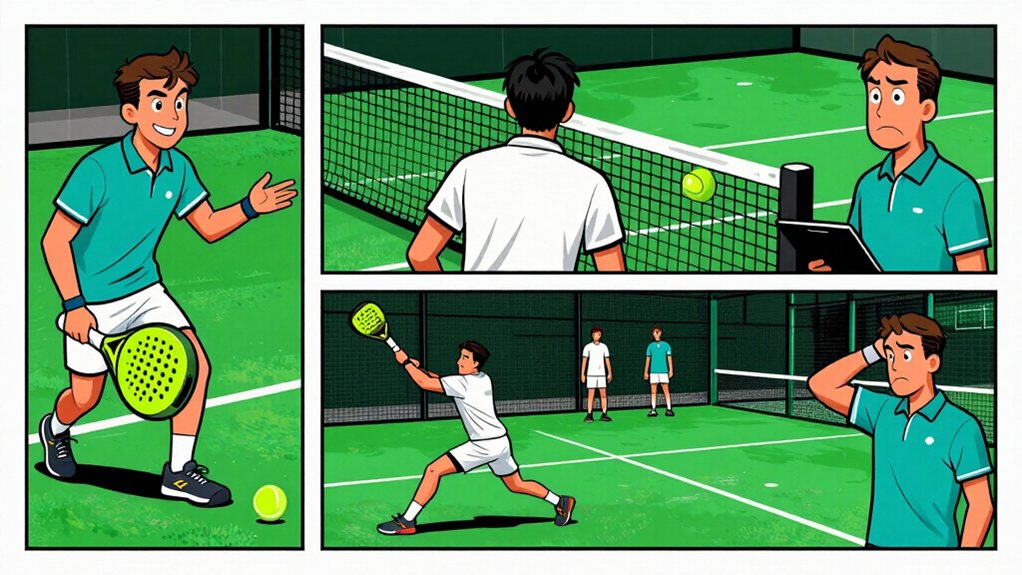
One key mistake you make involves shot selection. You try to hit winners too early in rallies, which increases unforced errors. You overhit the ball because tennis habits carry over to padel. You overuse slice on every shot, reducing shot effectiveness.
Consider these common shot selection errors:
- Attempting winners when a safe rally ball wins the point
- Hitting full swings on balls that need touch
- Using topspin grips when flat or slice shots work better
- Forcing aggressive shots from defensive positions
We recommend you:
- Identify three safe shot options before hitting
- Practice 70% consistency shots, 30% aggression
- Match shot selection to your position on court
Why Padel Players Ignore the Walls (And How to Fix It)?
If you come from a tennis background, you likely ignore the walls in padel. This habit costs you easy points and tactical options. The walls are your allies, not obstacles.
Why players ignore walls:
- Tennis teaches you to avoid walls
- You rush shots instead of using rebounds
- You lack confidence near glass
Fix these problems with three steps:
- Practice wall rallies daily. Hit ten balls against the wall, then play the rebound. Do this for fifteen minutes each practice.
- Position yourself two meters from the wall during baseline exchanges. This gives you time to react and choose better shots.
- Use compact swings near walls. Short backswing, early contact point, even follow-through.
We coach players to treat walls as teammates. When you ignore the walls, you play solo. When you use them, you control more space and win more points.
Communication Breakdowns Between Partners
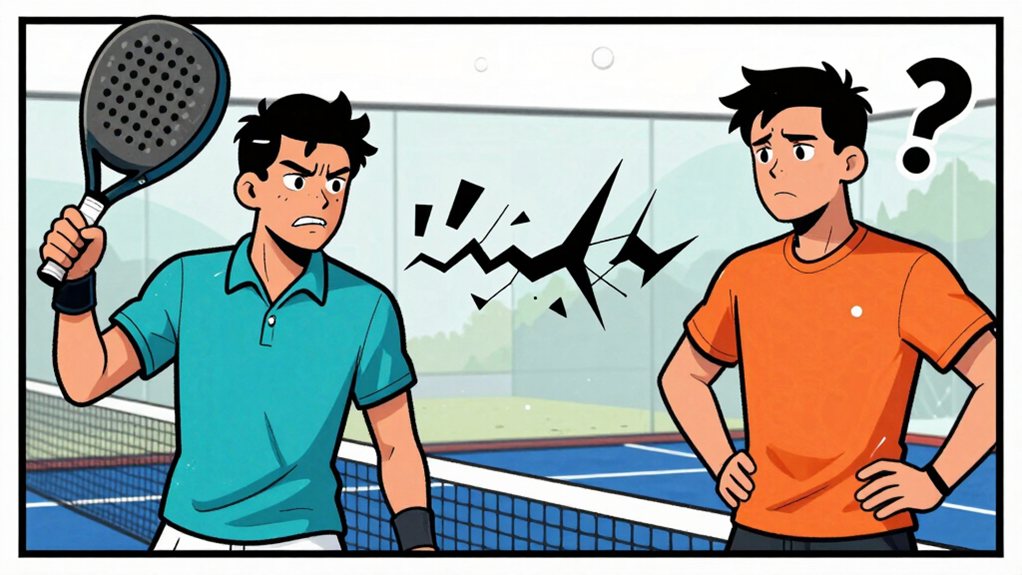
Do you and your partner frequently miss scoring opportunities due to poor communication? We’re seeing three common breakdowns in partner talk that cost points.
- Call every ball you can reach; use a loud, single word like “mine” or “yours.”
- Agree on at least three simple signals before each point, such as “switch”, “stay”, “press.”
- Discuss a target coverage area for each player, for example you cover the right half, your partner covers the left.
- Use a quick verbal check after each point to adjust positioning; say “good” or “adjust left”.
- Keep communication short and clear; avoid long phrases during play.
Practice these communication habits in every practice match; consistent talk builds trust and raises your win rate.
Practice communication habits in every match; consistent talk builds trust and raises your win rate.
And helps you read opponent moves quickly. Much like how a smart home automation system coordinates multiple devices seamlessly, effective partner communication creates a unified and responsive team on the court.
Physical and Mental Preparation Mistakes to Avoid
You skip proper warm-ups and risk injury, which reduces your playing time and delays skill development.
You overestimate your skill level when you ignore basic techniques, and you plateau faster than players who build solid foundations.
You maintain inconsistent training routines, and you miss the repeated practice needed to develop muscle memory and competitive consistency.


Skipping Warm Ups
Always warming up properly prevents injuries and improves your on-court performance. You must dedicate at least 10 minutes before playing.
- Start with light jogging for 3 minutes
- Perform dynamic stretches targeting legs, arms, and core
- Practice shadow swings to activate padel movements
- Hit easy balls with your partner to calibrate touch
We see beginners skip warm-ups. They rush onto the court and risk muscle strains.
Cold muscles respond poorly to rapid direction changes. Your reaction time stays slow without adequate preparation.
Mental preparation matters too. Visualize your first few points. Set intentions for the session. Clear your mind of distractions.
A proper warm-up builds confidence. You move better. You think faster. Your game starts at a higher level.
Overestimating Skill Level
Overestimating your skill level creates a ceiling that blocks growth and leads to repeated mistakes on the court. You must assess your true abilities honestly. Here is how we identify and correct this mistake:
- Video record your matches. Watch your technique without judgment.
- Compare your game to beginner benchmarks. Can you consistently hit the ball in the air? Do you use proper grip? Can you serve into the correct box?
- Accept feedback from experienced players. Their observations reveal blind spots.
- Practice basic shots before advanced moves. Master the bandeja before attempting the víbora.
- Track your unforced errors. Count how many balls hit the net or fly out each set.
You can’t improve what you refuse to see clearly.
Inconsistent Training Routines
Often, inconsistent training routines weaken both your physical game and mental sharpness on the court. You need a structured weekly plan.
- Schedule three on-court sessions and two off-court workouts per week.
- Include 10-minute dynamic warm-ups before every session.
- Mix technical drills with match play to build consistency.
- Add mental training: visualize shots for five minutes daily.
- Track progress in a journal.
Your body adapts to regular patterns. Skipping sessions creates rust.
We see players lose confidence when they practice randomly. Your training must balance physical conditioning with strategic thinking.
Establish a routine you can maintain. Your game improves when your preparation stays consistent.
Follow your plan and watch your performance grow and stay sharp.
Tennis Habits That Hurt Your Padel Game
When you change from tennis to padel, you must leave several habits on the court. Your tennis positioning hurts you when you stay at the baseline. You lose net control advantages. You also overhit the ball.
You slice every shot without purpose. You ignore the walls completely. You fail to communicate with your partner. You rush every shot instead of preparing early.
| Tennis Habit | Padel Problem |
|---|---|
| Baseline positioning | Misses net control |
| Full swings | Causes overhits |
| Overusing slice | Reduces control |
| Ignoring walls | Wastes strategic tools |
| Limited communication | Creates partner confusion |
You must change your mindset. You must accept net play. You must use the walls. You must talk to your partner constantly.
You must prioritize placement over power. You must adapt your technique. You must learn to play off the glass. You must adjust your footwork for quicker recovery.
Fixing These Padel Mistakes With Targeted Drills
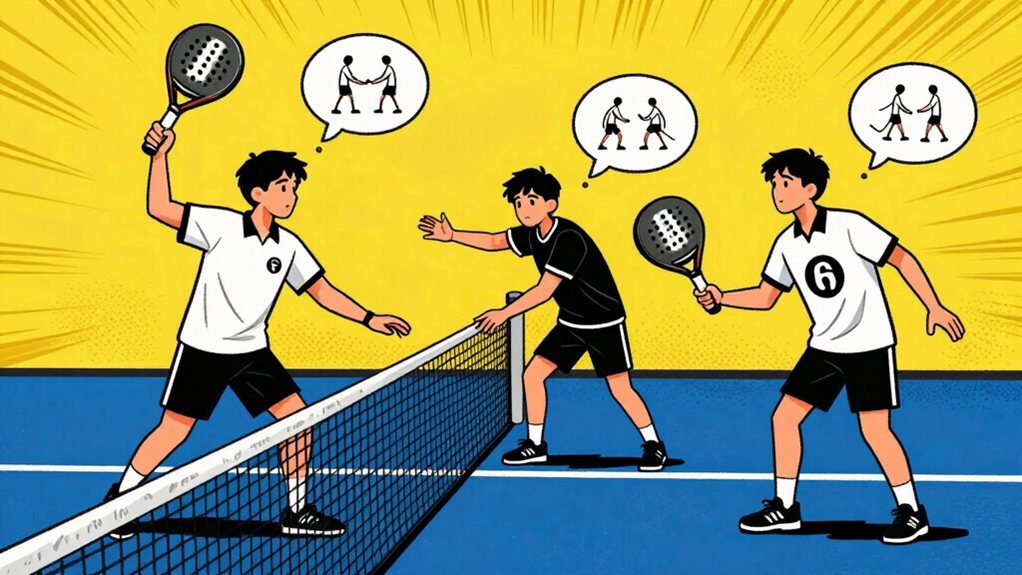
You’ll fix these padel mistakes with three targeted drill categories: 1) Positioning Drills, 2) Footwork Drills, and 3) Partner Communication Drills.
Use a 2-minute positioning set with cones 3 m from the net, a 2-minute footwork ladder at the baseline, and a 1-minute partner call-out drill.
We’ll track progress by counting correct positions, footwork contacts, and successful call-outs each session.
Positioning Drills
Positioning drills address the baseline errors we see most often in new players, and they build correct court awareness through repetition.
You need specific drills to fix where you stand on the court. Try these targeted exercises:
- Net Advance Drill: Step into the net after every winner or forced error. Hold for three seconds before retreating.
- Shadow Positioning: Stand in correct zones without a ball. Your partner calls “ball” and you move to the right spot immediately.
- Wall Distance Drill: Work three feet from the back wall. Push forward after each shot to maintain proper spacing.
- Triangle Movement: Practice moving between baseline, net, and side positions in triangular patterns.
These drills develop automatic positioning.
Repeat each drill for fifteen minutes daily. Your court awareness improves quickly when you train the right positions consistently.
Footwork Drills
Because late preparation undermines even the best technique, we use footwork drills to correct these common errors.
You must arrive early to every ball, setting your feet before you swing.
Practice the split step after each shot, holding it for one second, then proceed toward the next ball.
Here are three drills that fix footwork problems:
- Shadow swings: Perform twenty forehands and twenty backhands without a ball, focusing solely on foot placement. Pause after each setup for two seconds.
- Cone transitions: Set five cones three meters apart. Sprint to each cone, shuffle sideways back to the start. Complete three rounds.
- Wall bounce practice: Stand two meters from the back wall. Feed the ball yourself, move to it, and hit a forehand after the bounce. Do fifteen repetitions per side.
Wear shoes with proper grip.
You reduce rushed steps when you train these patterns daily.
Your consistency improves when your feet arrive before your racket.
Partner Communication Drills
Strong footwork means nothing if you and your partner can’t coordinate during play. Here are partner communication drills you need to master:
- Call every ball. Use clear signals: “mine” or “yours” for each shot.
- Establish a pre-point strategy. Discuss your positioning and roles before each point.
- Use hand signals near the net. Point left, right, or center to indicate intended play.
- Practice silent communication. Develop signals for lobs, smashes, and defensive shots.
- Call score after each point. Confirm the score before your opponent serves.
These drills build automatic coordination. You eliminate confusion and gain tactical advantage through consistent communication patterns.
Frequently Asked Questions
What Racket Weight and Balance Suits My Playing Style?
Choose your racket based on your style. Attackers need heavier, head-balanced rackets for power. Defensive players prefer lighter, balanced rackets for control. Beginners should start with medium weight (355-370g) and even balance.
How Often Should I Replace My Padel Shoes?
Replace your padel shoes every 6-12 months if you play 2-3 times weekly. You lose cushioning and traction when the sole wears down. Check monthly for visible deterioration. Don’t wait until you get injured from compromised support and grip.
What Are the Best Warm-Up Routines for Padel?
Picture your body as a tuned instrument. Dynamic stretches enable your mobility, shadow swings build muscle memory, and wall drills prepare you for padel’s unique bounces. Begin with ten minutes of light cardio, then progress to dynamic movements.
How Do I Prevent Common Padel Injuries?
Warm up properly before playing, choose appropriate footwear for court movement, focus on balanced training, and don’t overestimate your fitness level.
Listen to your body and rest when needed to prevent injuries and stay healthy.
How Can I Improve My Reaction Time on Court?
Train your quick feet with ladder drills and shadow swings. Improve hand-eye coordination through reaction ball exercises. Watch your opponent’s racket face earlier, and practice your split step timing to react faster to shots.
Final Thoughts
- Identify your three biggest mistakes immediately.
- Practice footwork drills for 15 minutes every single day without exception.
- Improve communication with your partner using clear, loud calls on every single shot.
- Master wall play by positioning at least 2 meters from the back wall consistently.
- Avoid tennis habits by keeping your padel grip loose and relaxed at all times.
- Train mental focus in intense 5-minute intervals during every single practice match.
- Implement these changes now, or watch your game crumble and stagnate forever.

DESIGN AND PURPOSE: Specifically designed for on-court performance in padel. Balances lightweight construction with high comfort levels.
Wilson Hurakn Lite Men's Padel Shoe - White/Bosphorus, Size 9.5 US

Breathable mesh underlays