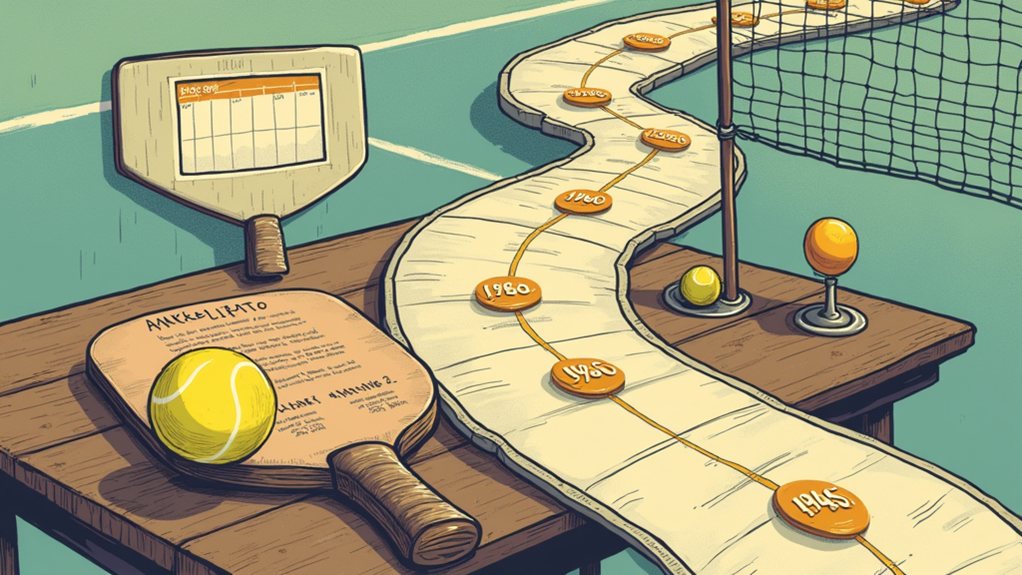
Pickleball’s rule evolution started in 1965 when three Bainbridge Island families combined badminton, tennis, and ping-pong equipment. In the 1970s, the double-bounce rule required both receiving and serving teams to let the ball bounce once. The U.S. Amateur Pickleball Association formed in 1984 and published a standardized rulebook.
The 7-foot kitchen, or non-volley zone, was added in the 2000s to limit aggressive net play. In 2023, USA Pickleball made rally scoring optional, letting tournaments choose to play to 11 points. If you keep going, you’ll find more about how these changes shaped the game.
The Birth of Pickleball: Backyard Game to First Court (1965–1967)
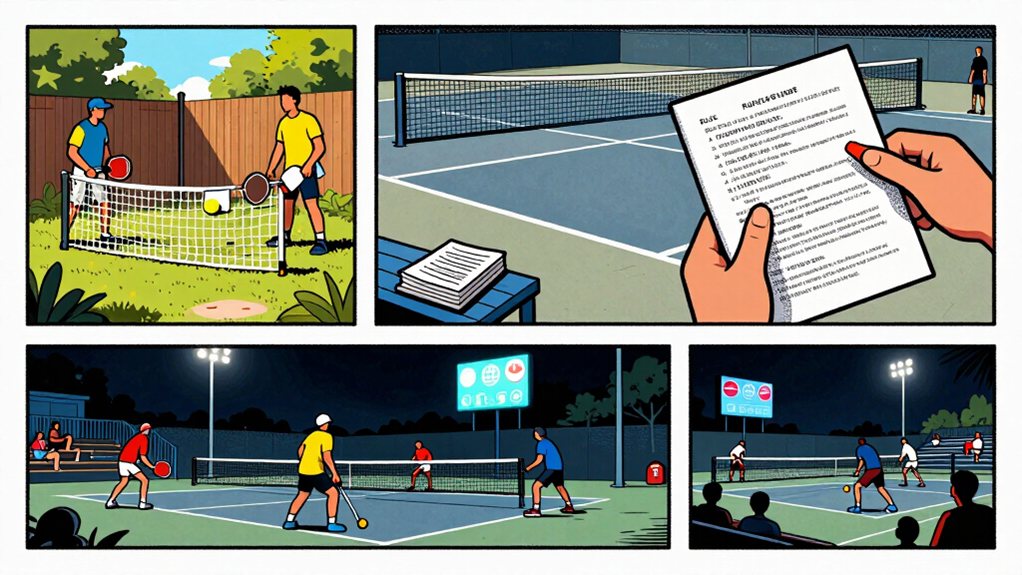
In 1965, three families on Bainbridge Island, Washington created a new game in their backyard. You see, they combined ping-pong paddles, a perforated plastic ball, and a badminton court. The history of pickleball rules began with informal trial and error.
- Players tested various elements to find what worked best.
- They borrowed rules from badminton, tennis, and table tennis.
- These pickleball rule changes shaped the evolution of pickleball into a unique sport.
In 1967, Bob O’Brien built the first permanent court. That same year, Barney McCallum formalized rules into a thorough rulebook. You can trace the foundation of modern gameplay to these early innovations.
The game started casually but quickly gained structure. By 1967, pickleball moved from backyards to established courts.

THE STANDARD ON COURT: USAP approved, chosen as the official ball for both the US Open Pickleball Championships and USA Pickleball, and engineered for official size and weight, these pickleball balls deliver consistent performance for both pro and amateur players
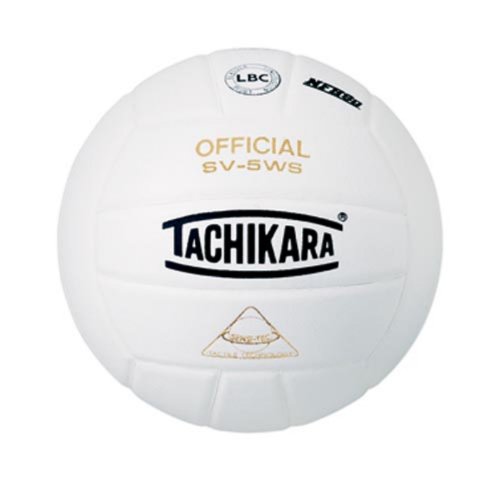
This ball is sold and shipped deflated.
Standardizing Pickleball: Rules Take Shape in the 1970s
Because the game grew in popularity, the U.S. Amateur Pickleball Association introduced official rules in the mid-1970s. This provided a standardized framework for competitive play across the country.
Key rule developments emerged during this period:
- Double bounce rule: The receiving team must let the ball bounce once before returning it. The serving team must also allow one bounce before hitting.
- Side-out scoring established: Players only earned points while serving. This reflected the game’s original leisurely pace.
- First tournament held in 1976: The South Center Athletic Club in Tukwila, Washington hosted this event. It helped identify areas needing rule clarification.
- Grassroots input shaped rules: Local clubs tested changes through community events. Players provided essential feedback on modifications.
These changes created consistency. We now had clear guidelines for fair competition. The foundation for modern pickleball took solid shape.
1980s Growth: The First Organization and Composite Paddles
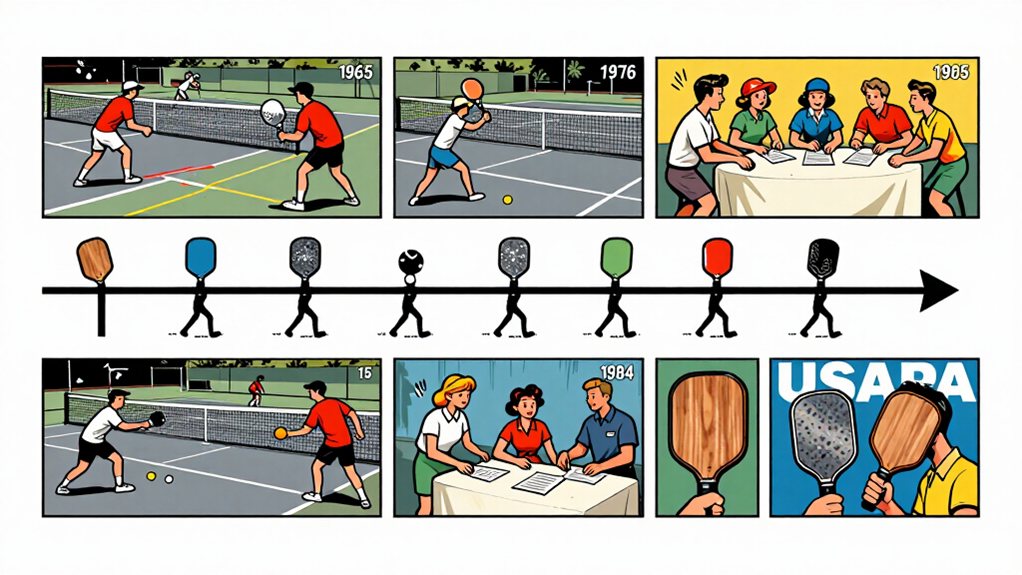
As pickleball entered the 1980s, you witnessed two transformative developments: the formation of the first official governing body and a revolution in equipment technology.
The United States Amateur Pickleball Association organized in 1984 to perpetuate growth and advancement of pickleball nationally. You received your first standardized rulebook in March 1984, establishing consistency across all competitive play levels. We accepted the formalization of rules that guaranteed recreational enthusiasts and competitive players operated under identical guidelines.
Equipment technology advanced dramatically. Arlen Paranto, a Boeing Industrial Engineer, invented composite pickleball paddles in the 1980s. Governing bodies regulated paddle specifications to maintain fairness while adopting equipment innovation. Just as pickleball facilities today rely on precise temperature control, smart thermostats like Nest and Ecobee have become essential tools for managing the climate of modern indoor courts.
| Year | Organization | Equipment Innovation |
|---|---|---|
| 1984 | USAPA founded | Composite paddles invented |
| 1984 | First rulebook published | Paddle specs regulated |
| 1980s | National growth expanded | Technology adopted |
The Kitchen Arrives: Strategic Rule Changes in the 2000s
The 2000s brought major strategic rule changes that transformed how you play pickleball. The non-volley zone, commonly called “the kitchen,” defined a 7-foot area on both sides of the net where you can’t hit the ball in the air. This rule limited aggressive net play and added strategic depth to the game.
Key changes included:
- USAPA renamed to USA Pickleball in 2005, reflecting national growth.
- Official rulebook published in 2008, establishing clear competitive guidelines.
- Pickleball joined the National Senior Games in 2008, gaining institutional recognition.
- Rally scoring emerged as a discussion point, though traditional side-out scoring remained standard.
You now adapt your positioning around the kitchen. Your shot selection changes when you approach the non-volley zone. These modifications shaped modern competitive play.
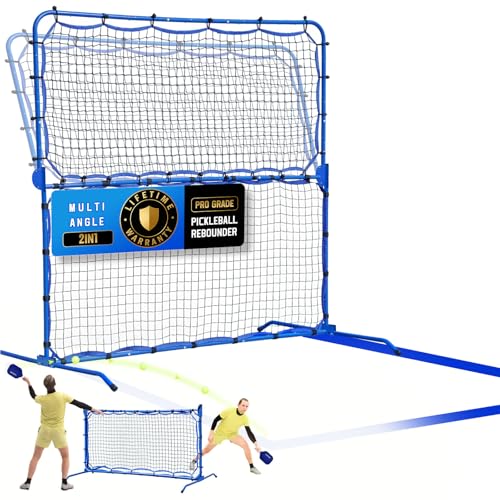
Pickleball Training Equipment: This net's got tricks! The upper zone uses high-rebound mesh—balls zoom back for fast drills and instant rebound.The lower zone's rugged PE mesh tames wild shots, absorbing impact to dampen force and stop erratic bounces. Every dink and movement builds fast, natural reflexes and muscle memory


PRACTICE SOLO ANYWHERE, ANYTIME: Perfect your swing, reflexes, and accuracy without needing a court or partner. Ideal for indoor or outdoor use—train in your garage, driveway, patio, or yard and enjoy real pickleball fun wherever you are.
Pickleball Today: Official Sport Status and Recent Rules
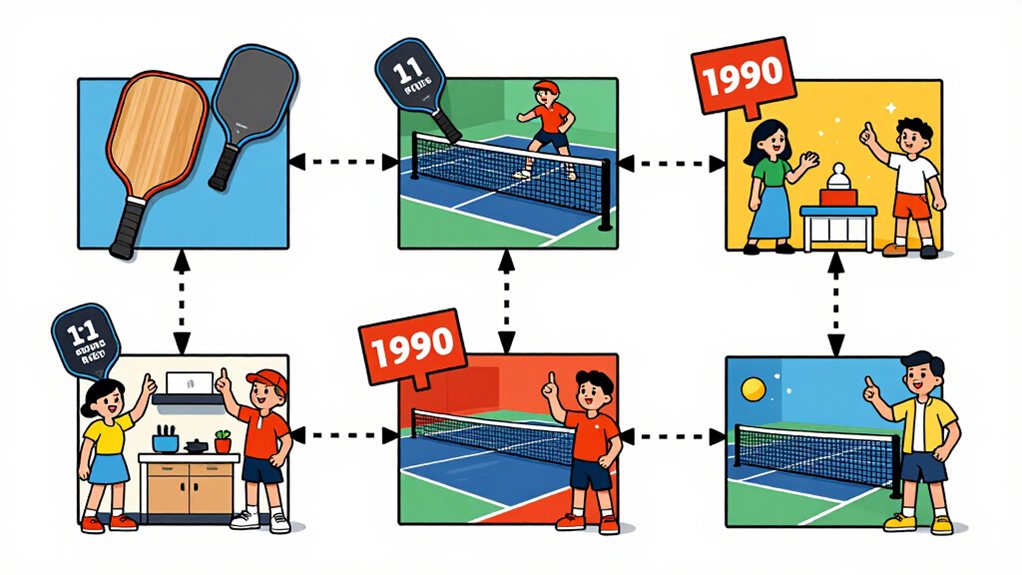
Today, pickleball has achieved official recognition as a legitimate sport. You now see the sport recognized by state law. In 2022 Washington made pickleball its official state sport. We’ve also seen the drop serve rule, which changed how you serve now.
The USA Pickleball rulebook updated in 2023 includes these changes. These updates affect every match.
- Drop serve now allowed; you can release the ball and hit it after it drops.
- The kitchen rule remains; you can’t volley in the non-volley zone.
- Paddles must meet USA Pickleball limits; you must use approved composite or wood.
- Rally scoring is optional in many tournaments; you can choose to play to 11 points.
We encourage you to review the latest rulebook to stay competitive and informed today.
Frequently Asked Questions
What Is the Official Court Dimension for Pickleball?
Your official pickleball court measures 20 feet wide and 44 feet long. The non-volley zone extends 7 feet from each side of the net. You play across a 36-inch-high net, divided by specific court lines.
How Many Points Are Needed to Win a Game?
Fifty percent of early matches used side-out scoring. You win by reaching 11 points in most games today, though some competitions use 15 or 21 points, and you must win by at least two points.
What Is the Diameter and Weight of the Official Ball?
The official pickleball measures 2.87 to 2.97 inches in diameter and weighs between 0.78 and 0.935 ounces. You must use approved balls that meet these specifications in all sanctioned tournament play across the country today.
What Is the Maximum Paddle Size Allowed in Competition?
You can use a paddle up to seventeen inches long and eight inches wide, and the combined length and width can’t exceed twenty,four inches when you play in official USA Pickleball competition today now globally.
Can Players Enter the Non-Volley Zone to Play a Ball?
You can enter the non-volley zone to play a ball, but only after it bounces. You cannot step into the kitchen while hitting a volley. The rule prevents aggressive net play and guarantees fair competition.
Final Thoughts
Now you understand the key moments that shaped pickleball. We have seen the non-volley zone emerge in 1984, the two-bounce rule solidify in 2009, and rally scoring become standard in 2021. You can apply this knowledge when you play, coach, or officiate. Remember these milestones:
- Non-volley zone = 7 feet from net on each side
- Two bounces required before volleying
- Rally scoring to 11, win by 2
This foundation keeps the game fair, competitive, and growing worldwide.

Enhanced Carbon Face (2025 Version): The 2025 Rally Flare pickleball paddle features a responsive carbon face for superior precision and spin, ideal for competitive players seeking advanced control.

PROFESSIONAL QUALITY: Designed by Franklin pickleball pros, this premium quality paddle has been constructed to compete, and win, at the highest level
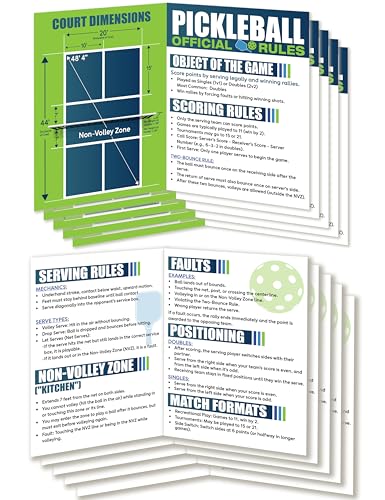
Pickleball rules card – Say goodbye to confusion on the court with this easy-to-follow bi-fold rules reference. Side 1 and Side 2 feature official pickleball rules, including serving rules, scoring, the kitchen rule explained, and more. A great pickleball quick guide for players of all levels.