Watch for early warning signs like muscle pain lasting over 2,3 days, repetitive injuries, or sleep problems. Warm up for at least 10 minutes with 10 leg swings per leg, 15 arm circles each direction, and 3 minute light rallies before play. Train strength 2,3 times weekly using squats, lunges, and anti rotational core work.
Sleep 7,9 hours nightly, take 1,2 rest days per week, and avoid screens before bed. Recover to the center after each shot, use crossover steps, and stay low with bent knees. Choose rackets weighing 350,380 grams with correct grip size. You’ll find more details on preventing overtraining as you continue.
Spot the Early Warning Signs of Padel Overuse
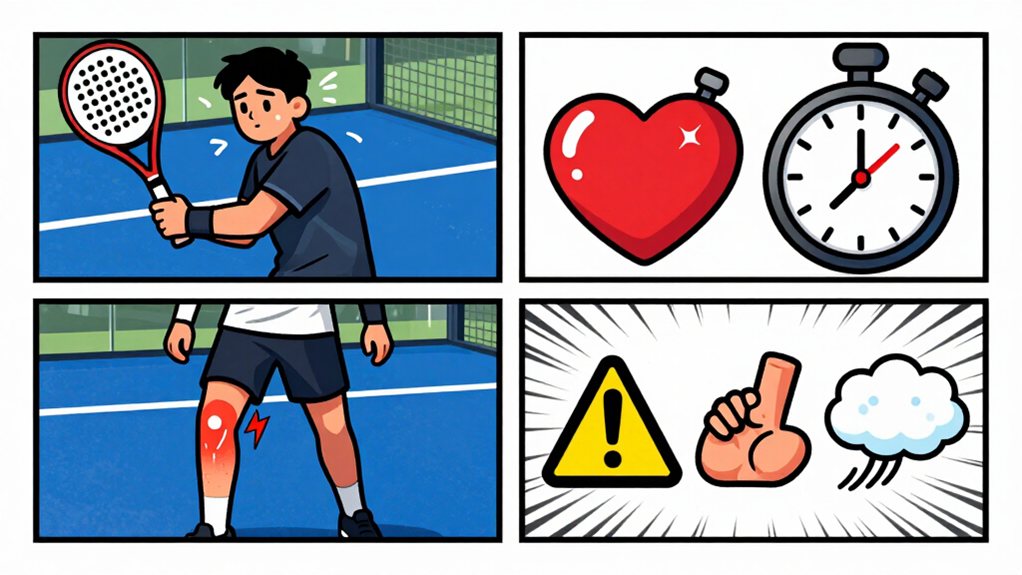
You must recognize overtraining symptoms early to prevent serious injury. Watch for these warning signs:
- Muscle and joint pain that lasts more than 2-3 days after playing
- Repetitive injuries like sprains or tendinitis happening often
- Slow recovery, you need more rest days to feel 100% again
- Sleep problems or insomnia after intense matches
- Persistent discomfort in elbows, wrists, shoulders, or lower back
If you notice these signs, take action now. Reduce your playing frequency. Rest more between sessions.
See a physiotherapist if pain continues. Your body is telling you it needs recovery time. Poor sleep quality from overtraining can also be monitored and improved by using a smart home thermostat to maintain an optimal bedroom temperature for recovery.

Comfort and easy power for anyone new to padel

Customizable Weight & Balance: Adapt to Your Play Style
Warm Up the Right Way to Avoid Injury
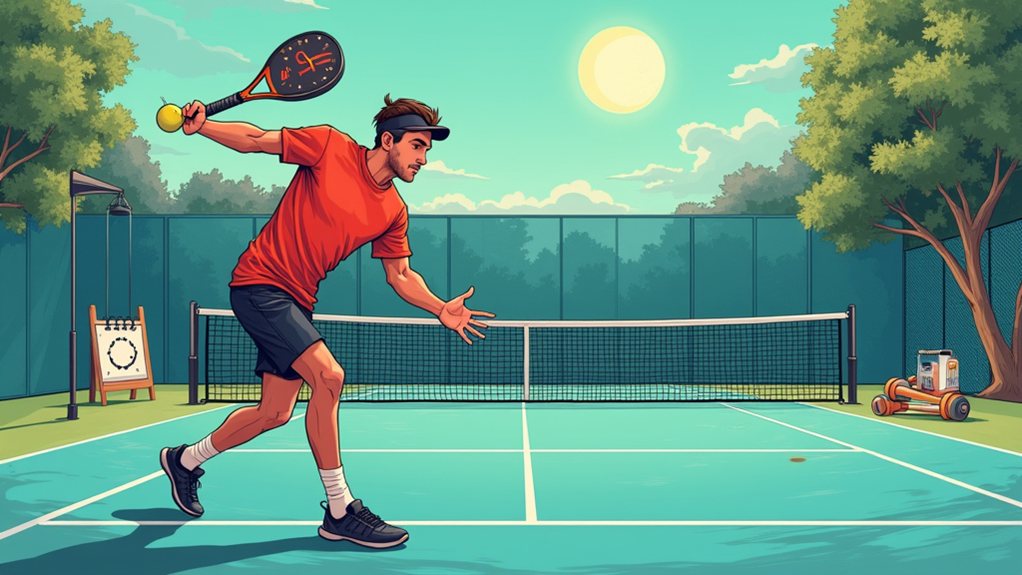
Preventing overtraining starts with a proper warm-up routine. You need at least ten minutes of dynamic movement that raises your heart rate, loosens joints, and activates key muscles used in padel.
Follow these four steps each time you step on the court.
- Do leg swings forward and backward, ten each leg.
- Perform arm circles, fifteen forward and fifteen backward.
- Rotate ankles slowly, ten circles each foot.
- Hit light rallies for three minutes before full play.
Begin with a short jog or marching in place to raise core temperature. Then perform dynamic stretches for hips, shoulders, and torso for two minutes.
End with racket swings and shadow strokes to prepare your game. This routine prepares your body, reduces injury risk, and keeps your training consistent.
Strength Training Moves That Protect Your Body
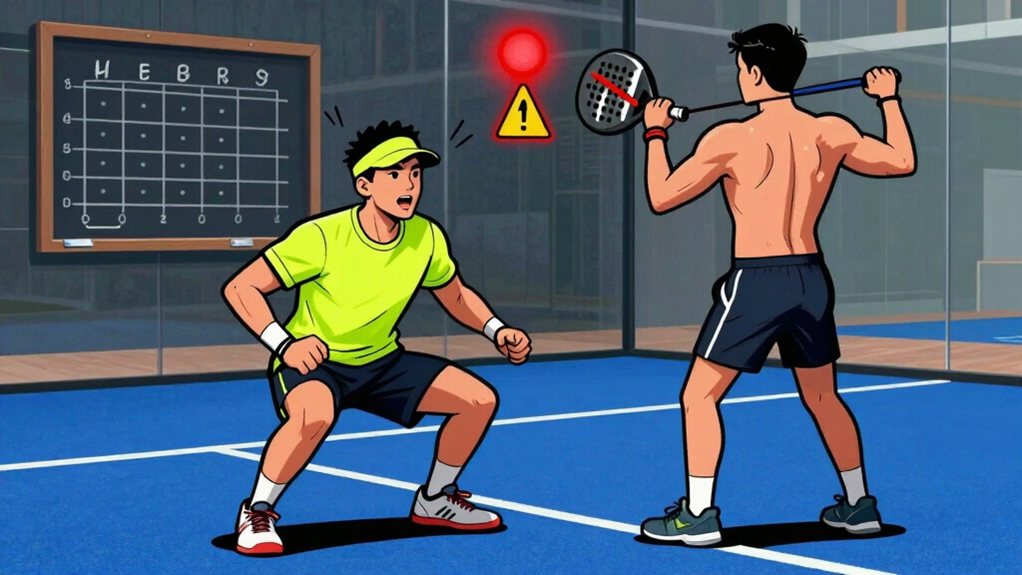
Strength training builds the resilience your body needs for padel. You protect your joints and muscles when you strengthen key areas. Focus on moves that support the movements you make on court.
- Build leg strength with squats and lunges. These power your lateral movements and jumps.
- Strengthen your core with anti-rotational exercises. You need stability for every shot.
- Train your shoulders and rotator cuff with light weights. Prevent injuries from overhead shots.
- Develop forearm strength with resistance work. Combat tennis elbow and wrist strain.
| Exercise Type | Target Area |
|---|---|
| Squats & Lunges | Legs and Glutes |
| Core Rotations | Core and Hips |
| Shoulder Press | Shoulders and Rotator Cuff |
| Wrist Curls | Forearms and Wrists |
Perform these exercises two or three times per week. Start with light resistance. Increase weight gradually to build lasting protection.
Recovery Strategies That Actually Work
Prioritize sleep hygiene by aiming for 7-9 hours nightly and maintaining a consistent bedtime routine.
Rest Days Matter
When you train hard at padel, rest days become crucial for long-term performance. Your body needs time to repair tissue, restore energy, and adapt to training stress.
Without adequate rest, your risk of injury increases and your game suffers.
- Schedule at least 1-2 complete rest days per week
- Take rest after intense match play or high-volume training
- Use light activities like walking or stretching on rest days
- Monitor for signs of overtraining like lingering soreness
We must prioritize recovery to maintain consistency in our training. Plan your rest days like you plan your matches.
Optimize Sleep Hygiene
Because your body repairs tissue and restores energy during sleep, optimizing sleep hygiene directly improves your recovery and court performance. Follow these steps to enhance your rest quality.
- Set a consistent bedtime. Go to sleep at the same time each night, even on weekends. Aim for 7 to 9 hours of sleep.
- Create a dark environment. Use blackout curtains or an eye mask. Keep your bedroom temperature between 60 and 67 degrees Fahrenheit.
- Avoid screens before bed. Put away your phone, tablet, and television at least 30 minutes before sleep.
- Limit caffeine intake. Avoid coffee, energy drinks, and chocolate after 2 p.m.
Court Movement and Technique for Safer Play
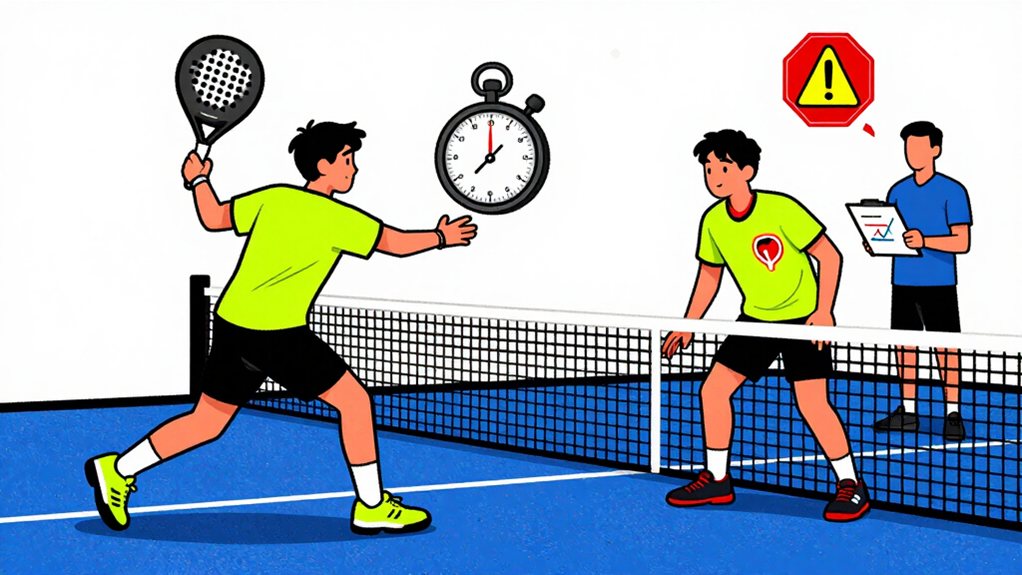
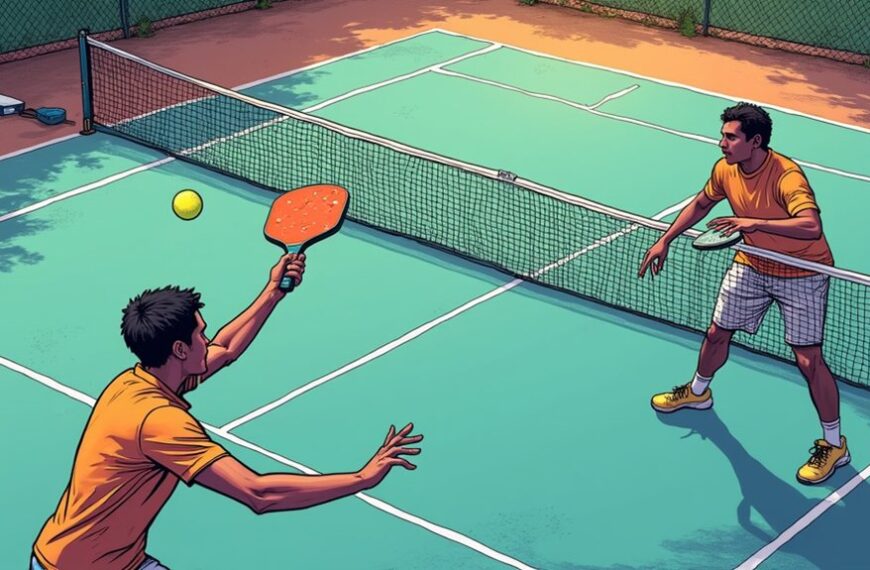
Efficient court movement keeps you safe and extends your playing endurance. You must recover to the center of the court after each shot. This positioning lets you reach any return quickly.
Use the crossover step for efficient lateral movement. Stay low with bent knees to maintain balance. Anticipate the ball’s trajectory to save steps and reduce fatigue.
Your core stability prevents wasteful movements and protects your joints.
- Recover to center position after each shot
- Use crossover steps for lateral movement
- Stay low with bent knees always
- Anticipate ball direction to save energy

[Dual Independent Pulley System] OPPSDECOR squat rack equipped with dual crossover cables, supporting 90% cable-base workouts, making it the perfect choice for family & friends to train together, targeting every muscle group from multiple angles, delivering flexible & stable high and low-position training. Solid steel pulley ropes and improved sliding sleeve ensures smooth operation all the time. It can cater to various training needs such as fly, lat pull down, lifting, curls, rows, and more.

[Dual Independent Pulley System] OPPSDECOR squat rack equipped with dual crossover cables, supporting 90% cable-base workouts, making it the perfect choice for family & friends to train together, targeting every muscle group from multiple angles, delivering flexible & stable high and low-position training. Solid steel pulley ropes and improved sliding sleeve ensures smooth operation all the time. It can cater to various training needs such as fly, lat pull down, lifting, curls, rows, and more.

[Dual Independent Pulley System] OPPSDECOR squat rack equipped with dual crossover cables, supporting 90% cable-base workouts, making it the perfect choice for family & friends to train together, targeting every muscle group from multiple angles, delivering flexible & stable high and low-position training. Solid steel pulley ropes and improved sliding sleeve ensures smooth operation all the time. It can cater to various training needs such as fly, lat pull down, lifting, curls, rows, and more.
Pick Gear That Won’t Wreck Your Elbows and Wrists
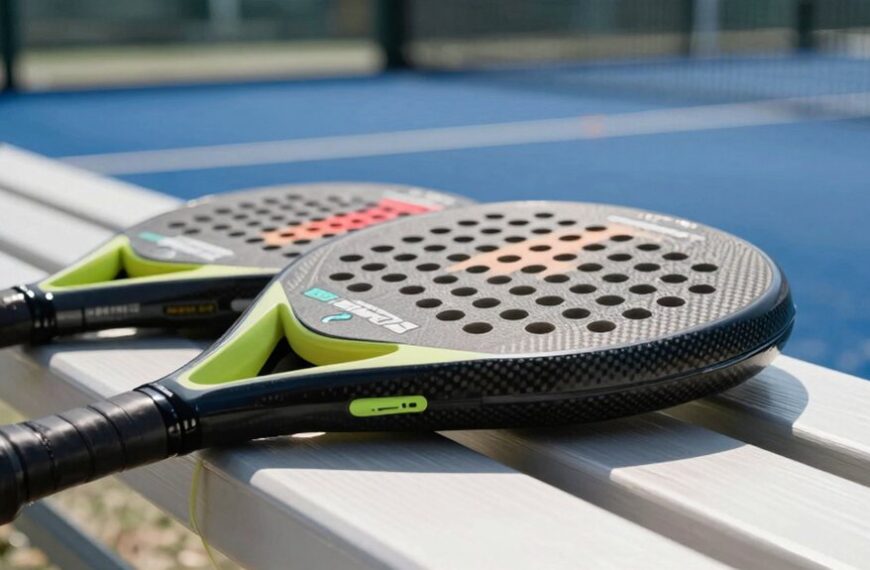
The right equipment protects your elbows and wrists from strain. Choose a padel racket that matches your skill level and physical condition.
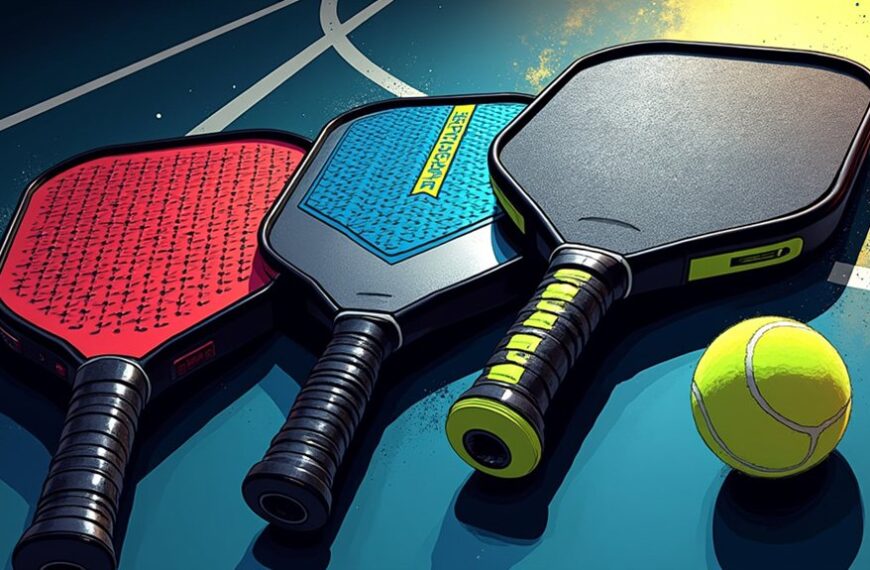
Lightweight rackets (350-380 grams) reduce arm fatigue. Select the correct grip size. Measure around your palm at the base of your fingers.
Opt for lightweight rackets (350-380g) to reduce fatigue. Measure your palm to find the ideal grip size.
Use overgrips for extra cushion. Replace grips when they wear evenly.
Test racket vibration. High vibration causes tendon stress.
Wear supportive shoes with good ankle stability. Change balls every 3-4 games.
Worn balls strain your wrists. Avoid daily play when recovering.
Space sessions to protect joints.
Frequently Asked Questions
How Many Rest Days Should I Take Each Week to Prevent Overtraining?
Take at least 2 rest days each week. Your body needs recovery time to repair tissues, prevent injuries, and maintain performance. Listen to your body, if you feel fatigued or sore, add another rest day.
What Nutrition or Hydration Tips Help Reduce Overtraining Risk?
Stay hydrated before, during, and after matches, you’re drinking water consistently and replenishing electrolytes. Eat protein within 30 minutes post-play, balance carbs for your sustained energy, and prioritize recovery meals that are rich in anti-inflammatory foods.
Which Specific Cool‑Down Stretches Are Most Effective After a Padel Match?
Stretch your hamstrings, quads, and calves to release muscle tension. Open your hips with hip flexor stretches. Target your shoulders and chest to prevent upper body stiffness. Hold each stretch for 20-30 seconds without bouncing.
Can Cross‑Training Like Swimming or Cycling Improve Recovery and Prevent Overuse?
An ounce of prevention is worth a pound of cure. Yes, swimming and cycling boost circulation, improve cardiovascular fitness, and give your padel-specific muscles time to rebuild while you stay active without adding joint strain.
How Often Should I Replace My Padel Balls to Avoid Injury?
Replace your padel balls every 3-4 sessions or when they lose bounce and become visibly worn. Worn balls force you to hit harder, increasing strain on your wrists, elbows, shoulders, and causing inconsistent play.
Final Thoughts
- Listen to pain; stop when you feel strain.
- Warm up for 5 minutes, then stretch.
- Strengthen shoulders, wrists, and core twice a week.
- Recover with 48 hour rest, hydrate, and sleep 7 9 hours.
- Move with steps, keep knees bent, and use proper grip.
- Choose a paddle that fits your hand and has weight.
- We track your training load closely.
- We monitor your fatigue, and we’re adjusting your schedule.
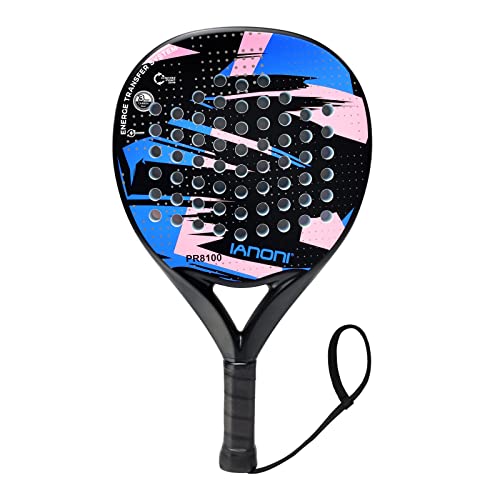
【ADVANCED MATERIAL】-The Carbon Fiber Face provides the surface with traction, perfect accuracy for maximum ball control. High Density Pro EVA Core allows players to get more feel on their strokes.

Comfort & Efficiency: The patented hexagonal design expands the contact surface between hand and handle, increasing grip efficiency by up to 14%. It allows a secure hold with less effort and tension, helping players maintain control and comfort during every shot.

Shape: Teardrop OS