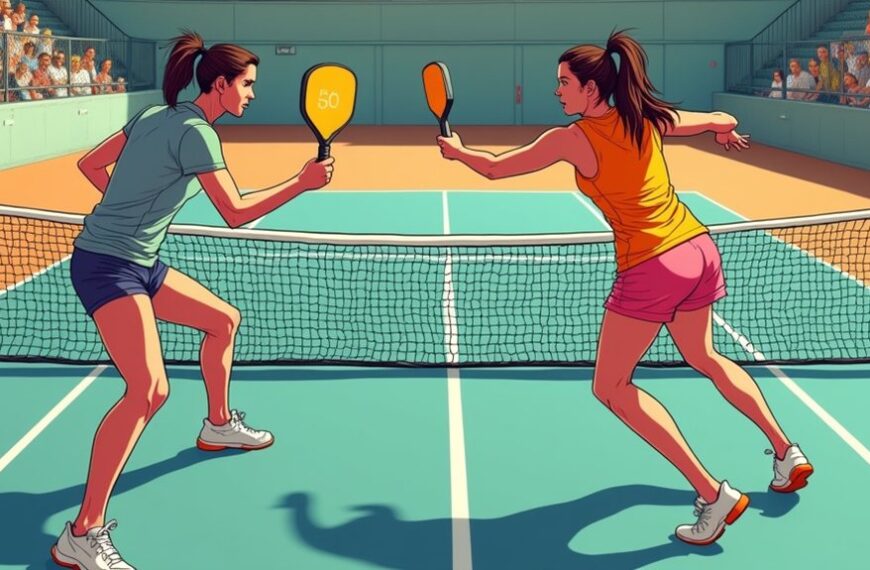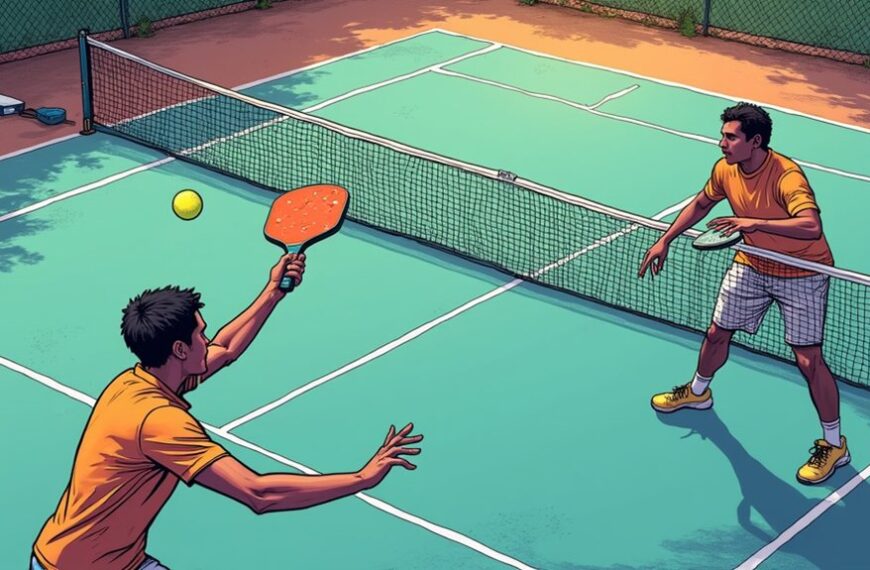
Speak loudly and clearly during play so your voice carries across the court. Keep messages short, two to three words maximum. Call “both back” when both players retreat and “stay” when one player advances. Call “mine” or “yours” on every ball, never assume ownership.
Use “good” to encourage, “switch” to change positions. Keep eye contact for two seconds before serving. Show up on time, honor commitments, and never blame your partner for mistakes. You’ll build unshakeable trust and win more points when you communicate as one unit.
Talk So Your Partner Actually Hears You
Clear verbal communication forms the foundation of effective padel partnership. Use these techniques so your partner actually hears you:
- Speak loudly and clearly during play. Your voice must carry across the court.
- Keep messages short. Use two to three words maximum.
- Say “both back” when both players retreat. Say “stay” when one player advances.
- Call “mine” or “yours” on every ball. Never assume.
- Use “good” to encourage. Use “switch” to change positions.
- Discuss strategy during the 1.5-minute side switches.
- Check in between points. Ask “are you good?” regularly.
Avoid mumbling. Avoid long sentences during play. Your partner needs instant information, not explanations. For added peace of mind during outdoor court sessions, a wifi security system can help monitor your surroundings and keep your equipment safe.

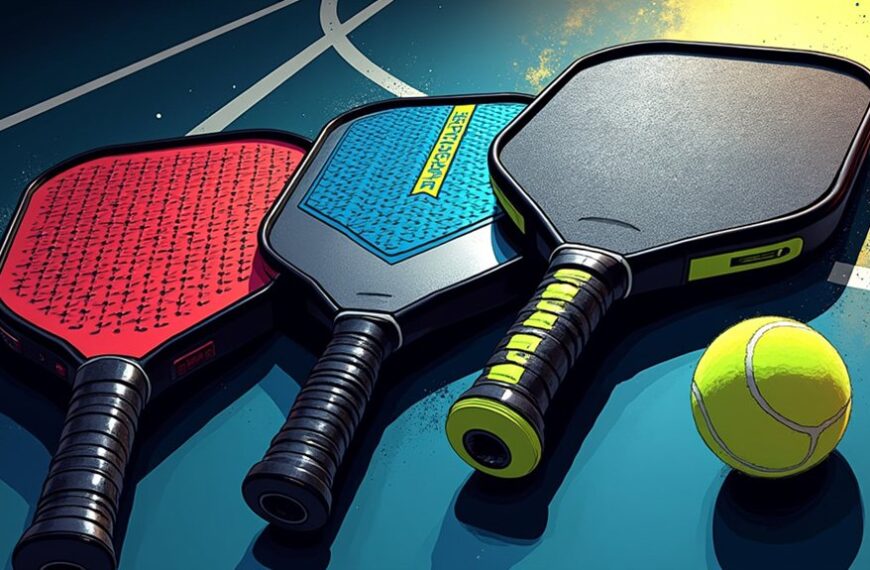
GRIPPY DESIGN: Material designed to increase grip and adherence on the handle. Due to a natural oxidation reaction, the overgrip increases its tackiness when in contact with air.

Comfort and easy power for anyone new to padel
What Your Body Says Without Speaking
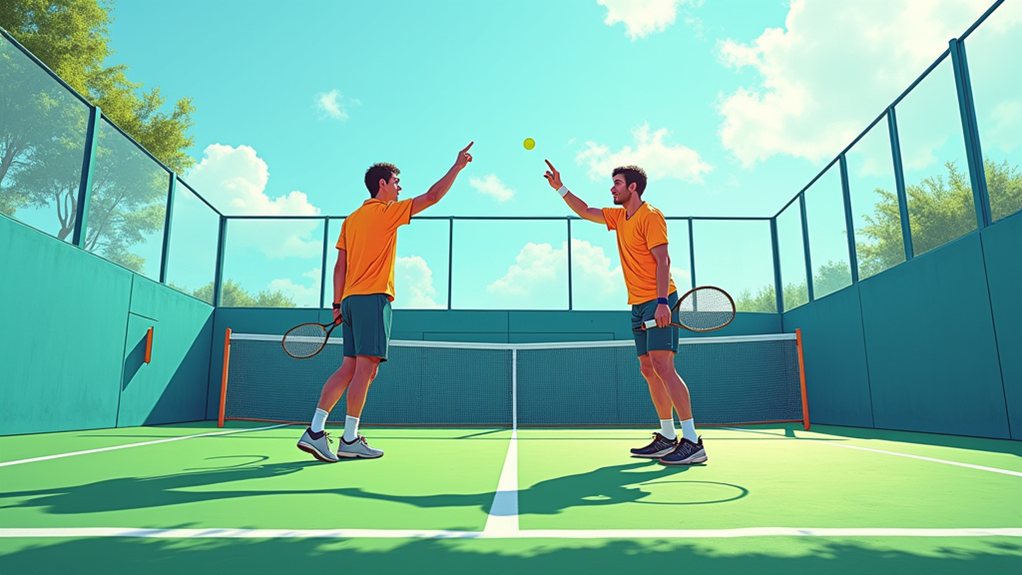
Your body communicates constantly on the padel court. We can send clear signals without saying a word.
- Keep eye contact for 2 seconds before serving.
- Use a short tap on your racket to say ‘move’.
- Raise your hand briefly to indicate a lob.
- Nod when you agree to a strategy change.
- Point with your racket toward the open side of the net.
Keep your posture to show confidence.
Step forward three steps to attack the net.
Step back two steps to recover.
Don’t cross your arms, it signals disagreement.
Use a smile to relieve tension, but keep it brief.
Practice these signals in warm-up.
Review them after match and adjust.
Communicate these cues consistently and watch your game improve.
Build Unshakeable Trust on the Court

Building unshakeable trust with your padel partner starts with consistency. Show up on time. Honor your commitments. Follow through on your word.
Reliability builds trust. Show up on time, honor your commitments, follow through on your word.
When you say you’ll cover the back, cover the back. When you signal a lob, stick to the plan. Trust builds when your partner knows exactly what to expect from you.
- Never blame your partner for mistakes. Take responsibility for your own errors and learn.
- Acknowledge good shots from your partner. Celebrate their wins as if they were your own.
- Communicate honestly about your limitations. Tell your partner when you’re tired or injured.
- Support your partner during difficult moments. Stay calm and offer encouragement when they struggle.
This foundation of reliability translates directly into better court performance and team chemistry. Your partner will trust you more and play with more confidence.
Listen Like Your Game Depends on It
You must hear your partner’s calls and read their body language to anticipate the next move.
Listen for verbal cues like “mine” or “yours” and watch for nonverbal signals such as hand gestures or eye contact.
When you combine both verbal and nonverbal information, you react faster and make fewer mistakes.
Hear Your Partner
Listen closely to what your partner says and does during every point. Your ability to hear your partner directly impacts your coordination and game flow. When your partner calls a shot, respond immediately. When your partner asks for space, adjust your position right away.
- Listen for verbal cues like “mine,” “yours,” or “switch” during fast exchanges.
- Acknowledge your partner’s calls verbally to confirm you heard them.
- Ask for clarification immediately if a call seems unclear; don’t assume.
- Note your partner’s verbal habits during warmups so you recognize their patterns in play.
Read Nonverbal Cues
How well can you read your partner without words? Watch for these nonverbal cues on the court:
- Body positioning signals defensive or aggressive intent. A lowered racket means your partner expects a lob. An raised stance signals readiness for a smash.
- Eye direction reveals target preference. Quick glances left or right indicate planned shot placement. Sustained eye contact means confidence in the current shot.
- Shoulder rotation shows swing direction. Watch shoulders before the ball arrives. Tilted shoulders often predict angle changes.
- Hand gestures replace verbal calls. Agree on simple signals before play: open palm means “switch,” closed fist means “stay.”
- Facial expressions convey confidence or stress. Furrowed brows suggest uncertainty. Relaxed features indicate readiness.
- Racket taps create rhythm signals. Practice three quick taps for “I’m going to the net.” Pause between patterns prevents confusion.
Use these cues together. Don’t rely on one signal alone. Your awareness improves with focused attention during each point.
Fix Communication Breakdowns Mid-Match
Apply quick repair strategies:
1) stop the play,
2) ask for a clear signal,
3) confirm you’ve understood before the next rally.
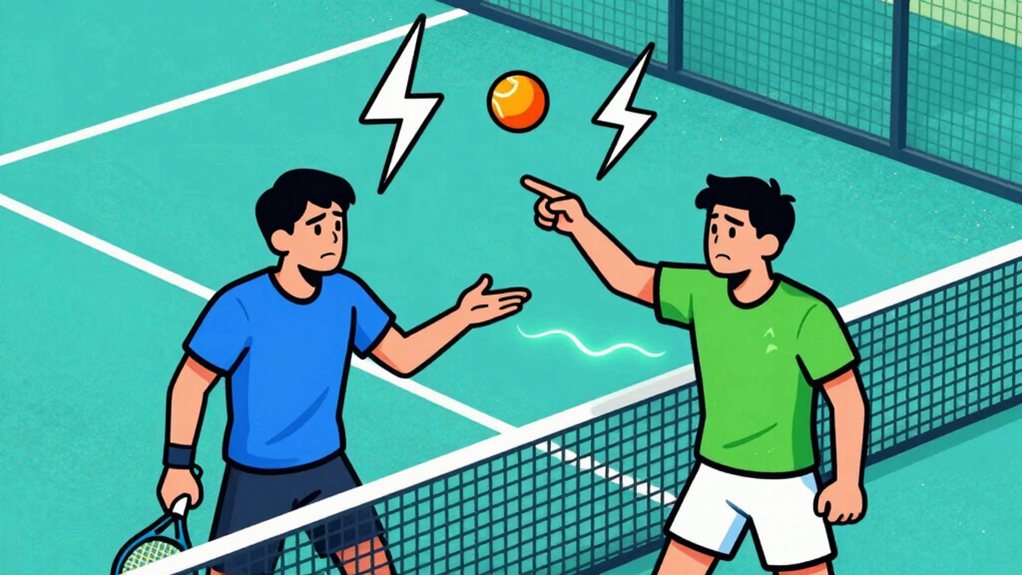
When a breakdown occurs, we reset mid‑match by taking a brief timeout, saying the plan, and replacing confusion with a simple call.
Clarify signals by agreeing on two simple hand gestures, repeating the cue, and checking your partner’s response each point.

Radical control for advanced and professional players

Comfort & Efficiency: The patented hexagonal design expands the contact surface between hand and handle, increasing grip efficiency by up to 14%. It allows a secure hold with less effort and tension, helping players maintain control and comfort during every shot.
Quick Repair Strategies
When communication breaks down during a match, you need immediate repair strategies to restore partnership cohesion. You must act fast to prevent further misunderstandings on the court. Try these quick repair tactics:
- Use simple, clear verbal cues like “mine” or “yours” to claim balls instantly during play
- Employ hand signals you pre-agreed upon before the match to replace spoken words when noise distracts
- Take one deep breath and say “reset” to signal a mental restart for both partners after errors
- Make eye contact and nod to confirm understanding before each point to ensure alignment
These strategies restore clarity mid-match, help you stay coordinated, and keep your partnership strong under pressure.
Mid-Match Reset
A mid-match reset gives you and your partner a chance to rebuild communication when tension rises. Stop the play briefly. Take three deep breaths. Regroup mentally.
| Stage | What to Do | Why It Helps |
|---|---|---|
| Pause | Stop and reset | Clears tension |
| Speak | Use short cues | Rebuilds clarity |
| Agree | Confirm signals | Restores trust |
Use a quick 30-second pause between points. Speak in low tones. Avoid accusations. Say “let’s try” instead of “you always.”
Make eye contact. Nod to show understanding. Reset your positioning. Confirm who covers the middle.
Recall your agreed signals. Move forward with confidence. Stay present. Focus on the next point only.
Trust the process. Communication improves with practice daily.
Signal Clarification
If communication breaks down mid-match, you need a quick system to get back on track. Establish three simple hand signals before you play. Use an open palm for “switch,” a fist for “hold position,” and a point for “cover the middle.” These signals replace confusing verbal calls when noise levels rise.
When misunderstandings occur, call a quick timeout mentally. Use these steps:
- Repeat your signal aloud immediately
- Confirm your partner’s response with a nod
- Adjust positioning based on agreed signal
- Reset communication for the next point
Practice these signals in warm-ups. Consistency builds automatic responses under pressure. Your partner reads your intentions instantly. Coordination improves. Results follow.
Win More Points Through Better Padel Communication
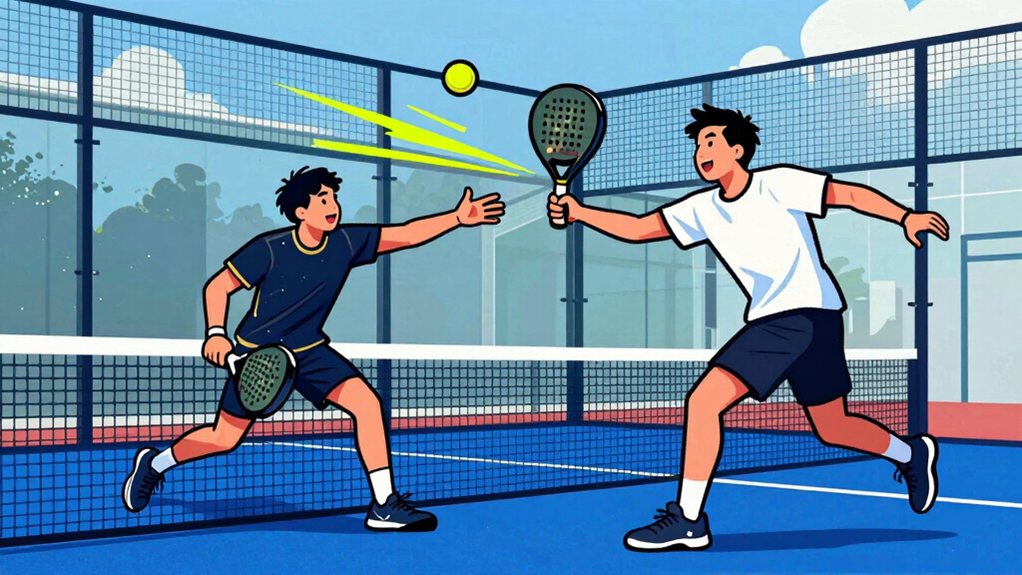
Winning more points in padel starts with how you communicate with your partner. Effective dialogue directly improves your scoring potential.
- Anticipate opponent moves through constant dialogue. Call out their position and shot intentions.
- Cover weaknesses by identifying each player’s strengths. Adjust your positioning accordingly.
- Execute coordinated strategies with clear signals. Agree on calls before each rally begins.
- Build trust through positive support. Avoid sighs or head shakes after errors.
- Prevent frustration by maintaining respectful communication at all times.
Use short, loud phrases during points. Say “both back,” “your ball,” or “space crosscourt.”
Check in between points. Ask “Are you good?” or “What to change?” Make communication a habit. You’ll win more points when your partnership functions as one unit.
Frequently Asked Questions
How Do I Discuss Post‑Match Feedback Without Hurting My Partner’s Feelings?
Start privately, use “I” statements, acknowledge strengths first, ask for their perspective, focus on specific actions, and end with encouragement and confidence in your partnership.
Should I Use Radio Headsets or Apps to Communicate During Matches?
You should avoid radio headsets and apps, they’re banned in most competitions and distance you from your partner. Use verbal cues, hand signals, and eye contact. These build real chemistry and keep you fully present.
What’s the Best Way to Handle a Partner Who Refuses to Communicate?
Confronting a silent partner requires strategic patience. You’re not asking for the impossible, you’re building trust. Use deliberate non-verbal signals to demonstrate communication’s value and show genuine investment in understanding their perspective through consistent, respectful engagement.
How Often Should We Practice Communication Drills off the Court?
Practice communication drills at least twice weekly off the court. Review signals after each session, adjust based on what works, and discuss improvements during warm-ups. Consistent repetition builds automatic in-game responses and trust.
Can I Give Constructive Feedback During a Match Without Disrupting Our Flow?
Back in the day, you couldn’t give feedback mid-match, but nowadays you absolutely can. Use quick cues between points like ‘good hustle’ or ‘try the volley.’ Keep it under ten words to stay in rhythm.
Final Thoughts
We use these actions to strengthen your padel communication:
- Call the ball early: say “mija” or “tuyo” in one word, no more than two syllables.
- Keep your eyes on your partner’s racket before serve.
- Trust the signal: move only when you hear “voy” or “ahora”.
- Stand in the service box when you call the serve.
- Stay calm and listen always.
Aren’t you ready to win more points with clear calls?
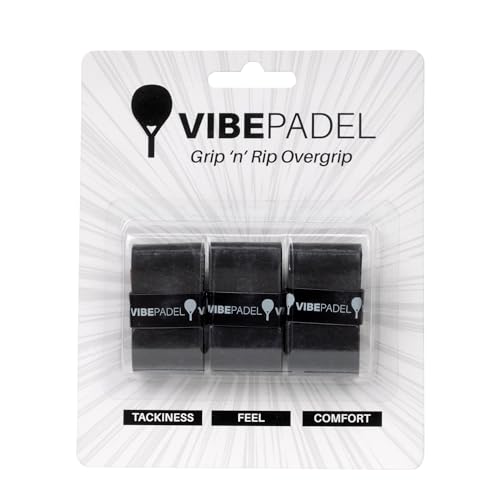
High Performance - Improve your performance on the court in your own personal style with VIBEPADEL's Padel Racquet Grip Tape! Engineered for every shot, our padel racket handle grips enhance play with superior feel and heightened tackiness, allowing you to hit every shot as you see it.

GRIPPY DESIGN: Material designed to increase grip and adherence on the handle. Due to a natural oxidation reaction, the overgrip increases its tackiness when in contact with air.