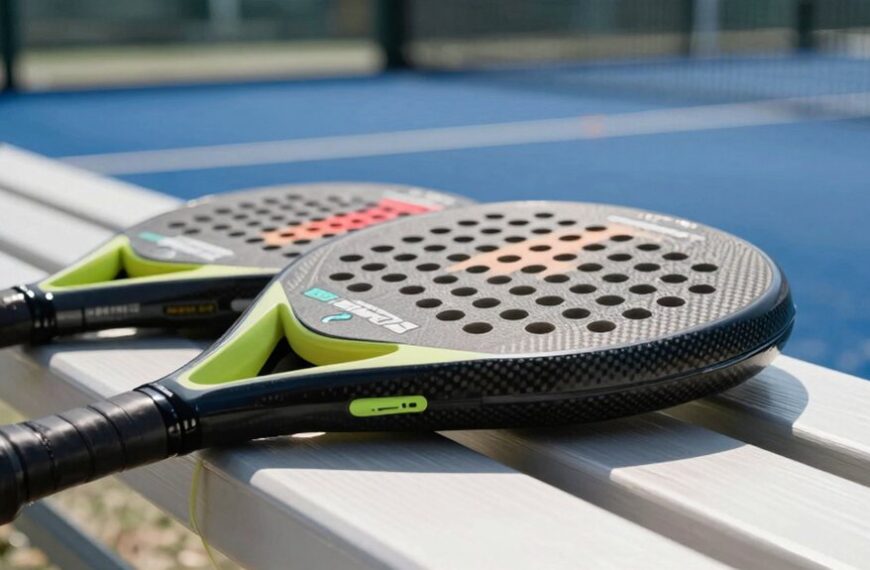
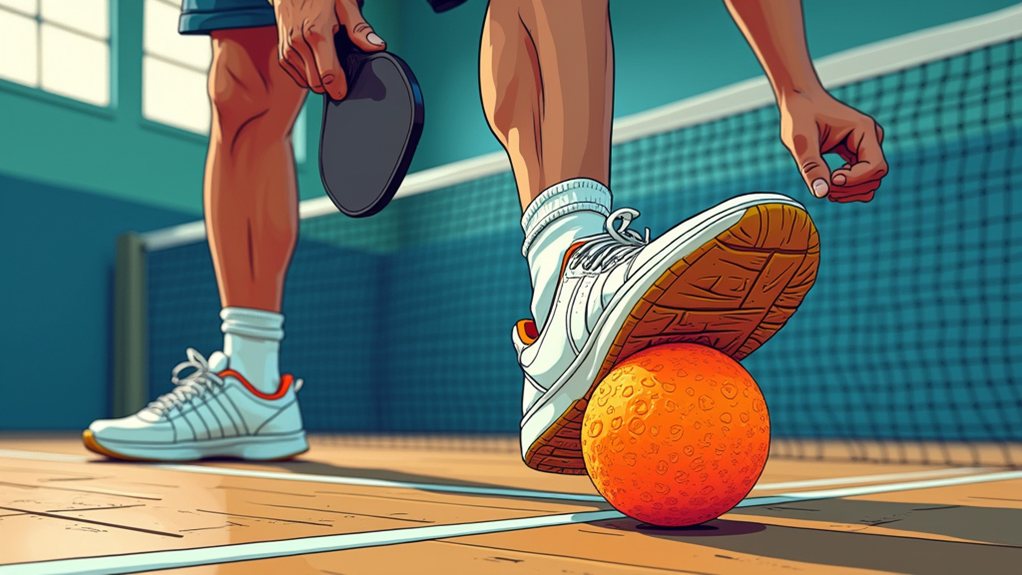
Pickleball’s quick lateral moves and constant pivoting strain your feet, but a daily lacrosse ball roll releases tight arches, calves, and ankles to keep you playing pain-free. Sit with the ball under your arch. Roll from toes toward heel. Hold tender spots for 3-5 seconds. Do this for 30-60 seconds, three times per foot.
Roll calves from below the knee to the ankle. Hold tight spots for 15-30 seconds. Repeat three times per leg. Target three key areas around your ankle: beneath the outer ankle bone, behind the inner ankle, and around the Achilles tendon base.
Use this routine before play for 1-2 minutes per foot, or after play for 30-60 seconds per foot. This keeps your feet flexible for quick direction changes. Continuing further will give you a complete 5-minute daily routine.
How Pickleball Wrecks Your Feet (and How a Lacrosse Ball Fixes It)
Pickleball puts serious stress on your feet. The quick lateral moves, constant pivoting, and repetitive footwork strain your arches, calves, and plantar fascia. You feel pain in your heels after long matches. Your ankles ache from sudden direction changes.
The stop-and-start nature creates micro-tears in soft tissues. Overuse injuries build up over weeks of play.
Here’s how pickleball damages your feet:
- Lateral movements stretch ankle ligaments beyond normal range
- Repeated pivoting compresses arches under high impact
- Quick direction changes overload calf muscles
- Constant toe-pointing shortens Achilles tendons
You need a solution before these injuries become chronic. A lacrosse ball offers quick relief. Roll it under your foot to release built-up tension. This counteracts the damage from play.
Use it after each session to maintain foot health.
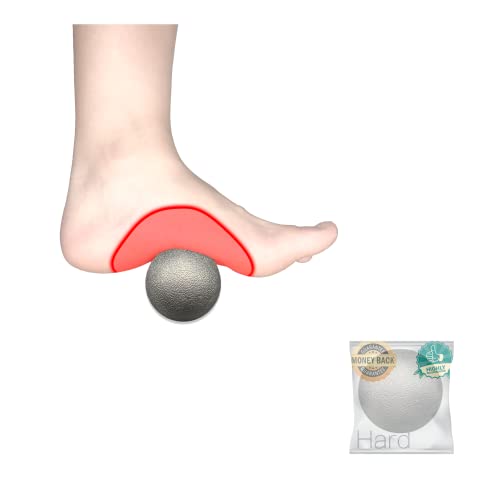
✅【Plantar Fasciitis Relief – Better Than Tennis Balls!】Designed for deep foot massage and plantar fasciitis relief, this lacrosse ball massage therapy tool targets tight fascia and sore spots better than traditional tennis balls. Ideal for Myofascial release, trigger point therapy, and foot pain relief after long hours of standing.
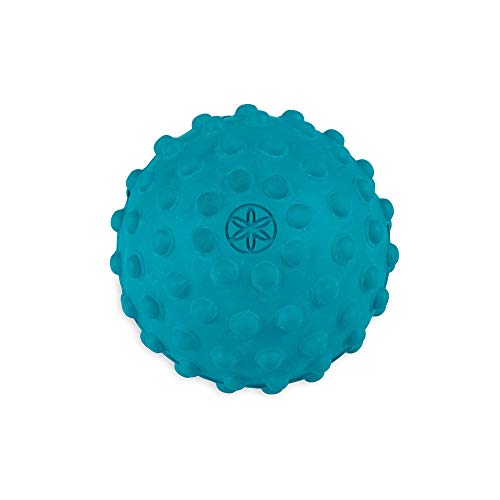
Country Of Origin : China

【Perfect For Massage Therapy】An excellent set of healing balls gives you enough pressure to help you remove muscle knots, relieve tension and relieve pain points in your body. It is used for self-myofascial release and trigger point massage therapy.
Why Lacrosse Ball Rolling Works for Pickleball Players
When you roll a lacrosse ball under your foot, you apply firm pressure to release tight muscles and fascia. This technique uses myofascial release to break up adhesions in your foot tissues.
You can perform this method in two positions:
- Standing position
- Place ball under your arch
- Lean your weight forward slightly
- Roll from your toes to your heel
- Hold pressure on tight spots for 3-5 seconds
- Repeat rolling for 30-60 seconds
- Perform 3 repetitions per foot
- Seated position
- Place ball under your arch while seated
- Apply pressure using your hand
- Roll slowly across your entire foot
This rolling action improves blood flow to your feet.
It loosens tight calves connecting to your foot tendons.
Daily use helps your feet recover from pickleball movements.
It maintains flexibility for lateral plays and quick directional changes.
Pairing your recovery routine with a smart indoor air quality monitor ensures you’re breathing clean air while exercising indoors, which supports faster muscle recovery.
Relieve Plantar Fasciitis Pain in Under 2 Minutes
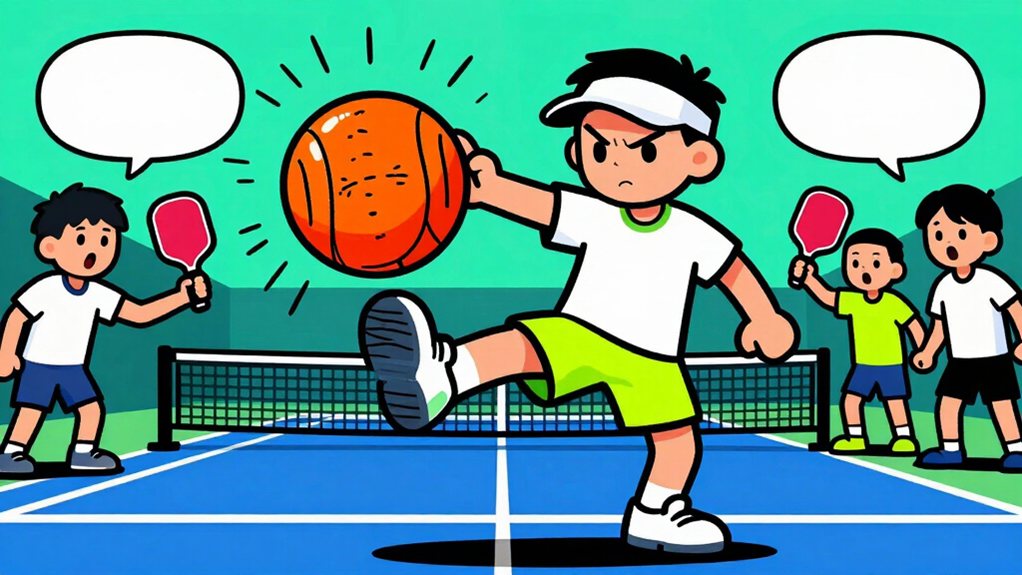
If you already use the lacrosse ball rolling technique, you can target plantar fasciitis pain directly in under 2 minutes. This method uses myofascial release to break up adhesions along the plantar fascia.
Steps:
- Stand on a hard floor. Place a lacrosse ball under your arch.
- Apply light pressure. Roll from your toes to your heel.
- Hold pressure on tight spots for 3-5 seconds.
- Continue rolling for 30-60 seconds.
- Repeat 3 times per foot.
This technique releases foot tension and reduces plantar fasciitis pain. Use it daily to prevent buildup from repetitive pickleball movements.
Combine it with rest and orthotics for effective management.
Loosen Tight Calves That Quiet Your Lateral Movements
Tight calves can silently sabotage your lateral movements on the pickleball court. When your calves are tight, they limit ankle mobility and reduce your ability to change direction quickly.
Use your lacrosse ball to target calf muscles. Sit with your leg extended. Place the ball under your calf. Roll slowly from just below the knee to the ankle.
- Apply moderate pressure.
- Hold on tight spots for 15-30 seconds.
- Repeat 3 times per leg.
- Do this daily.
You’ll improve ankle flexibility. You’ll move better laterally. You’ll reduce injury risk. Your game will thank you.
Release Arch Trigger Points With a Lacrosse Ball Before They Become Injuries
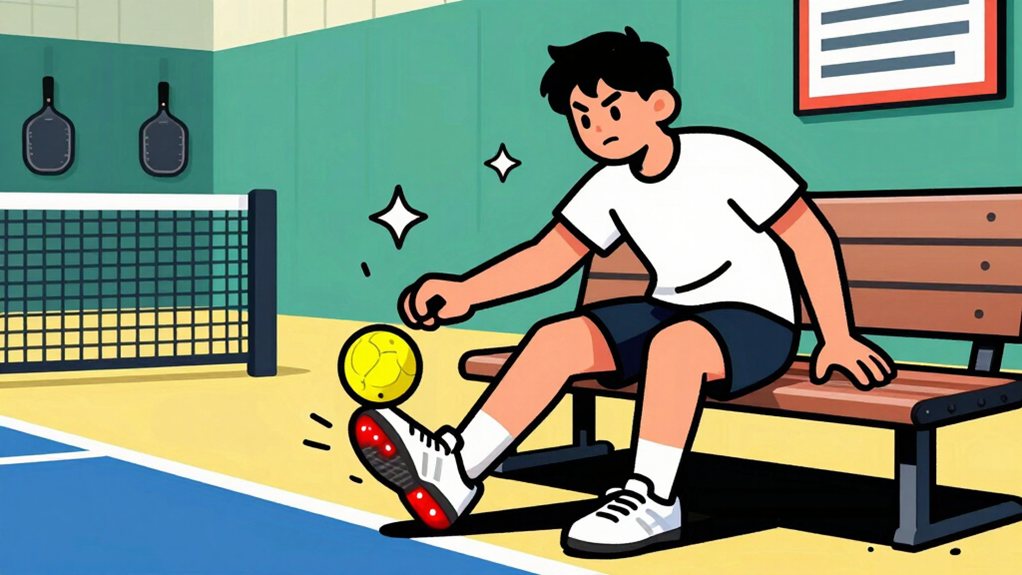
Because your arch absorbs constant impact from pickleball, trigger points develop silently and become painful injuries if you ignore them. Use a lacrosse ball to release these points before they cause chronic problems.
Your arch absorbs constant pickleball impact; release silent trigger points with a lacrosse ball before pain becomes chronic.
- Stand on a hard floor with the ball placed under the arch of one foot.
- Lean your weight onto the ball, then roll slowly from your toes toward your heel.
- Pause on tender spots for 3-5 seconds, then continue rolling for 30-60 seconds total.
Repeat on your other foot. Target the area from behind your big toe mound to your heel. This breaks up adhesions in the plantar fascia and surrounding muscles.
You will feel immediate relief as circulation improves.
Consistent release prevents small knots from becoming debilitating injuries that keep you off the court.
When and How Often to Roll Your Feet for Maximum Benefit
Rolling your feet with a lacrosse ball works best when you do it consistently. Schedule your sessions around your pickleball routine. Use the ball after each match; you don’t need 30,60 seconds per foot. Repeat three times on each side. This habit prevents tension buildup and keeps tissues flexible. Below is a simple timing guide.
| Timing | Frequency |
|---|---|
| Pre,play | 1,2 minutes per foot |
| Post,play | 30,60 seconds per foot, repeat 3 times |
| Rest days | 1 session, 30 seconds per foot |
| Daily maintenance | 1,2 minutes per foot, any time |
Roll gently at first. Increase pressure only if you feel no sharp pain. Hold each tender spot for five seconds.
Breathe steadily while you press. For better flow.
Stick to this schedule for maximum flexibility and injury prevention.
Standing vs. Seated: Pick the Best Position for Your Schedule
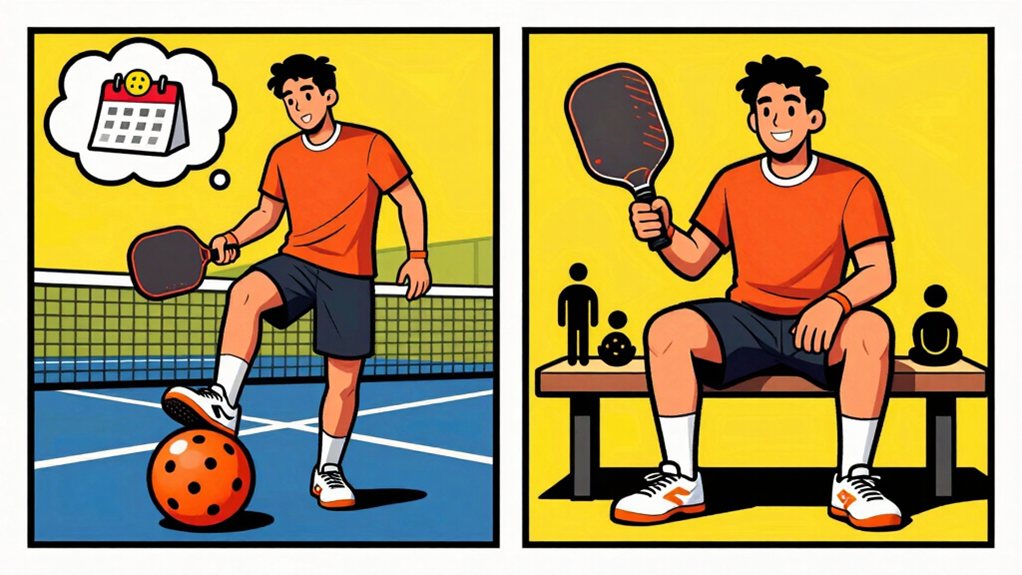
If you have only a few minutes between matches, seated rolling saves time while still releasing foot tension.
Sit on a bench or chair, place the ball under your arch, and roll gently for 30-60 seconds per foot.
Sit on a bench or chair, place a ball beneath your arch, and gently roll for 30 to 60 seconds per foot to release tension quickly.
This position works well when you want to relax your upper body while focusing on your feet.
Standing rolling gives you more control and lets you apply more pressure.
Stand near a wall for balance, shift your weight forward, and roll from your toes to your heel.
This method reaches deeper tissues.
Consider your schedule when choosing:
- Use seated rolling for quick breaks between matches or when you’re tired
- Use standing rolling before or after games for deeper release
- Combine both methods throughout your week for balanced foot care
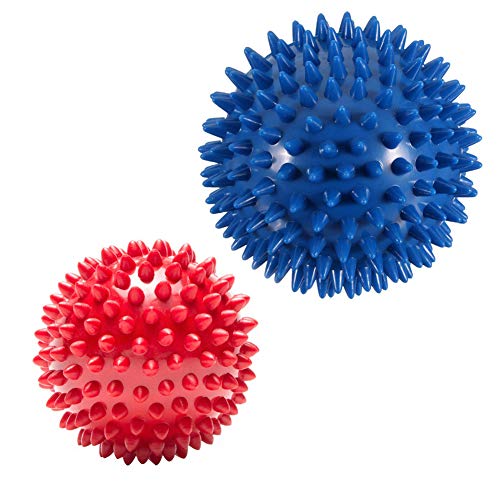
PERFECT FOR EVERYONE looking for the perfect trigger-point massager balls? There are a lot of options available out there, but our 2 ball-sized massagers are designed by experts for use by experts and novices. Get a top-quality, performance massage ball pack that lasts long and can be used by everyone right off the box.

INSTANT +2 INCH HEIGHT BOOST WITH FUTURISTIC CHUNKY PLATFORM DESIGN — Ceroiress men's slip-on clogs feature a bold 5cm elevated EVA platform sole that adds height the moment you slip them on. The sculptured wave-edge midsole and breathable hollow cut-out upper deliver a modern streetwear-ready look — available in White, Black, and Purple/Yellow, perfect for beach, travel, vacation, dorm, and everyday outdoor casual wear.

BEST FOR: Casual performance + Pickleball
Speed Up Post-Game Recovery So You Can Play Again Tomorrow
Once you finish playing, target tight spots immediately. Roll the lacrosse ball under your arch for 30 seconds. Apply firm pressure to each tight spot you find. Repeat this rolling process three times per foot.
This routine reduces muscle soreness and accelerates recovery. You will feel ready to play again sooner.
| Recovery Zone | Action Steps |
|---|---|
| Arch of foot | Roll ball for 30 seconds |
| Heel area | Apply pressure, hold 10 seconds |
| Ball of foot | Roll side-to-side gently |
| Toe region | Release tension with circles |
| Calf muscle | Roll upward toward knee |
We recommend using a standard lacrosse ball after each session. The firm surface provides ideal pressure for myofascial release. Wait 60 seconds between repetitions.
Combine rolling with light stretching for best results. This post-game ritual keeps your feet healthy for daily play.
Prevent Ankle Stiffness That Kills Your Quick Direction Changes
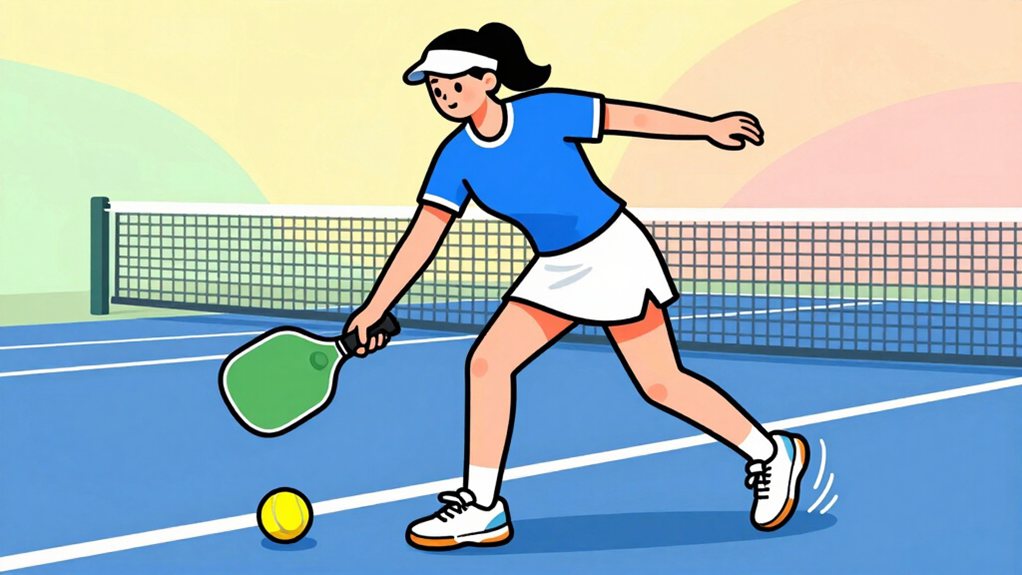
After your recovery session, focus on preventing ankle stiffness that limits your quick direction changes. You must keep your ankles loose to maintain explosive lateral movements on the court. Stiff ankles force you to slow down during direction switches, reducing your court coverage.
Use your lacrosse ball to target three key areas around your ankle joint:
- Roll the ball beneath your outer ankle bone to release peroneal tension.
- Apply pressure on the soft spot behind your inner ankle for tibialis activation.
- Circle the ball around your Achilles tendon base to maintain tendon flexibility.
Build a Daily 5-Minute Routine That Keeps Your Feet Game-Ready
You can build a 5-minute daily routine using three key techniques.
Start with a quick arch roll, then perform a calf stretch sequence, and finish with heel pressure point work.
This combination targets the tight spots that affect your quick direction changes on the court.
Quick Arch Roll
Five minutes each day with a lacrosse ball keeps your feet loose and game-ready. The quick arch roll targets your plantar fascia and arch muscles. Sit on a chair and place the ball under your arch. Apply light pressure.
Roll from your toes back to your heel. Hold on tight spots for five seconds. Repeat the motion for thirty seconds. Switch feet and repeat. Do this three times per foot.
- Sit on a chair with good posture, place the lacrosse ball under your bare arch, and apply gentle downward pressure.
- Roll the ball slowly from your toes toward your heel, pausing on tender points for five seconds each.
- Perform three sets of thirty-second rolls on each foot, totaling ninety seconds per foot.
Calf Stretch Sequence
Building a consistent calf stretch sequence targets the tight muscles that result from rapid directional changes during pickleball.
- Stand facing a wall. Place your hands at shoulder height. Step one foot back, keeping your heel pressed down. Lean forward until you feel a stretch in your back calf. Hold for 30 seconds. Switch legs. Repeat three times per leg.
- Face the wall again. Place your toes on the baseboard. Keep your heel on the ground. Lean back slightly. Hold for 20 seconds. Repeat three times per foot.
Complete this routine daily before playing. Your calves stay loose. Your feet stay game-ready. You reduce the risk of strain during matches.
Heel Pressure Points
If you’ve been dealing with tight feet after pickleball, targeting heel pressure points with a lacrosse ball provides quick relief. Place a lacrosse ball under your heel while seated.
Apply gentle pressure and hold for 30 seconds. Switch feet and repeat the hold.
This technique releases tension in your calcaneus area.
- Position the ball directly beneath your heel’s center
- Lean your body weight onto the ball slowly
- Hold the pressure for 30 seconds per foot, then switch
This routine targets the plantar fascia insertion point. It reduces morning stiffness and improves heel stability.
Perform this daily for ideal foot health.
The lacrosse ball’s firm surface reaches deep tissues that stretching misses. Your feet will feel looser after each session.
Frequently Asked Questions
What Type of Lacrosse Ball Is Best for Foot Rolling?
Use a medium-firmness lacrosse ball, you’ll get enough pressure to release muscle knots without causing bruising. Avoid soft balls; they won’t reach deep tissue. A standard rubber lacrosse ball delivers effective myofascial release for your feet.
Can I Use a Lacrosse Ball on Other Parts of My Body?
You can use a lacrosse ball on your calves, hips, and glutes like a rolling pin rolling dough. Apply firm pressure to tight spots, roll 30-60 seconds, and combine with stretching for ideal relief.
How Much Pressure Should I Apply When Rolling My Feet?
Apply firm but tolerable pressure, enough to feel relief without causing pain. Start lighter if you’re new, then increase as your feet adapt. You’ll feel the tension release as you roll along the arch.
Is It Safe to Roll My Feet if I Have an Injury?
Rolling on a lacrosse ball can aggravate injured tissues. Stop immediately if you feel sharp pain. Consult a physical therapist before continuing, gentle stretching or ice are safer alternatives while you heal.
How Long Until I Notice Improvements From Daily Foot Rolling?
You’ll notice improvements within 3-7 days of consistent daily rolling. For chronic tension or plantar fasciitis, give it 2-3 weeks. Stay committed, regular use prevents buildup and maintains foot health for pickleball.
Final Thoughts
Take charge of your recovery now. Like a lighthouse steers ships away from danger, a lacrosse ball steers your feet away from pain. Follow these steps each day:
- Sit, place the ball under your arch, press gently for 30 seconds.
- Roll the ball under each calf for 15 seconds.
- Stand, put the ball under each heel, hold for 10 seconds.
Do this routine daily and you and we’re keeping your feet game ready for results now.

Complete 3-Ball Recovery System: This myofascial release ball set includes 4.75" and 3.2" grippy massage balls and a standard lacrosse ball; each size supports distinct muscle groups for full-body relief and mobility.

Effective Massage Design: 5" in length and 2.5"in diameter, weight in 11oz. This peanut shaped massage ball has a larger massage area than a single ball, and is more suitable for massaging pain points around the back and waist. The hollow between the two balls allows the ball to better massage muscles around the spine without exerting pressure on the spine.

IMMEDIATE BENEFITS - Self myofascial release eliminates muscle knots and tension. Trigger point therapy massage lacrosse balls relieve sore and tight muscles to rejuvenate and revitalize all areas of the body.