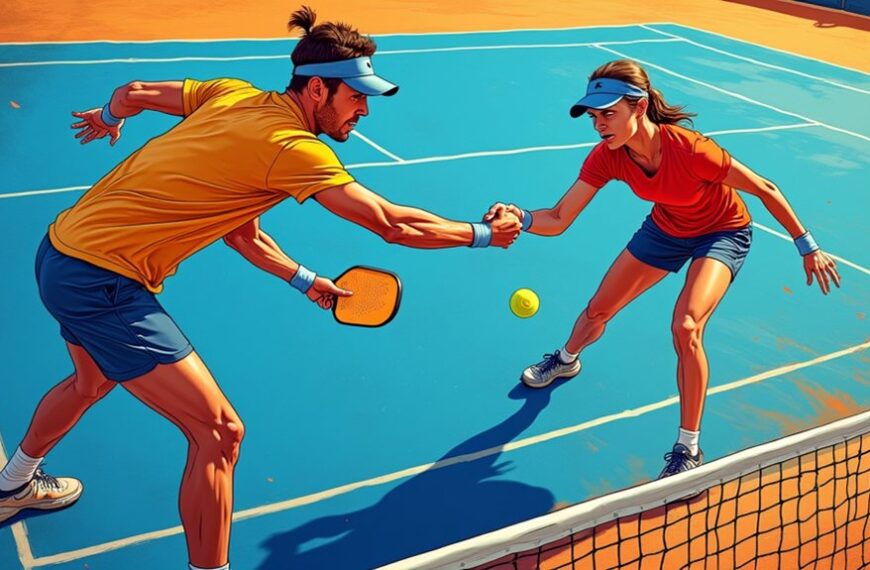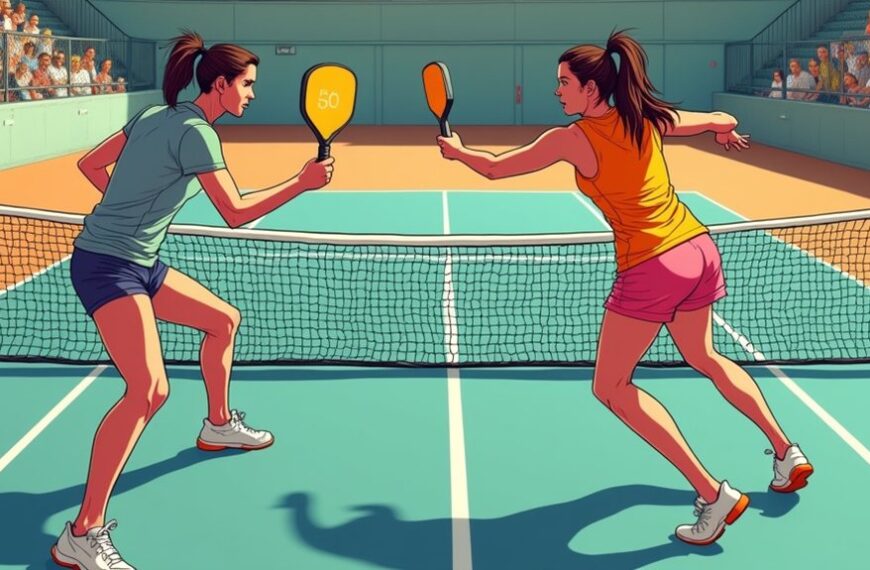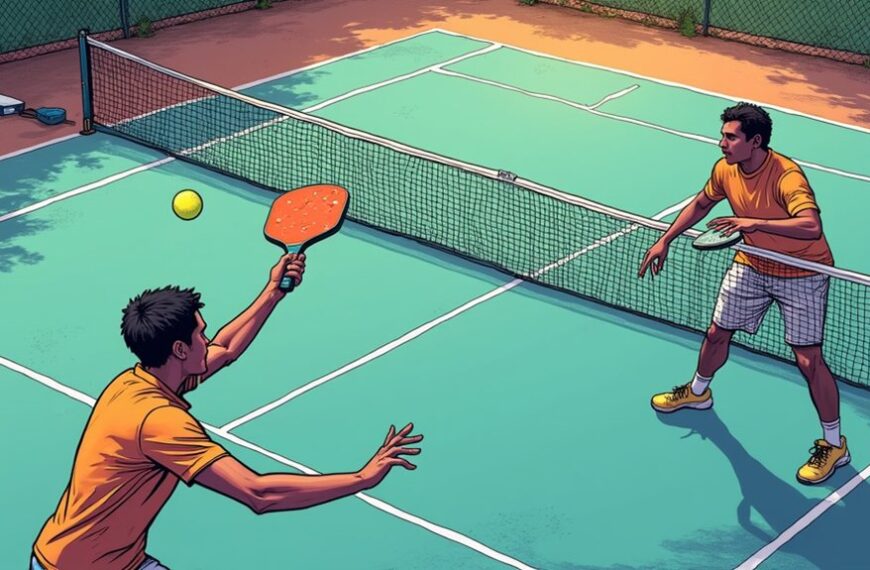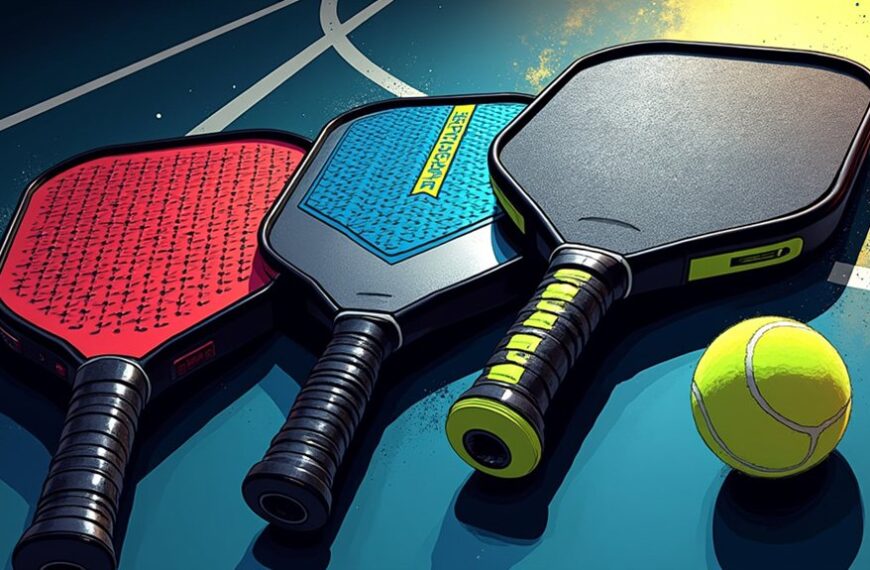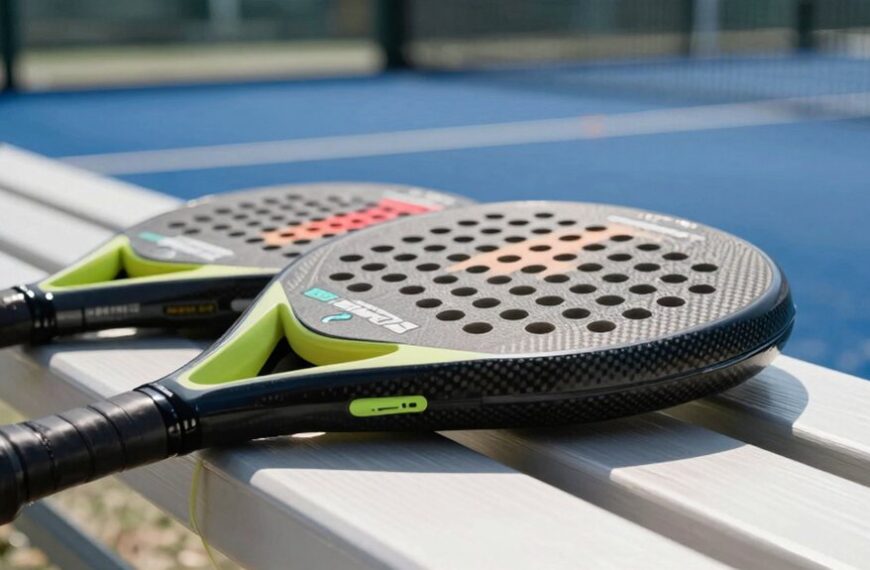
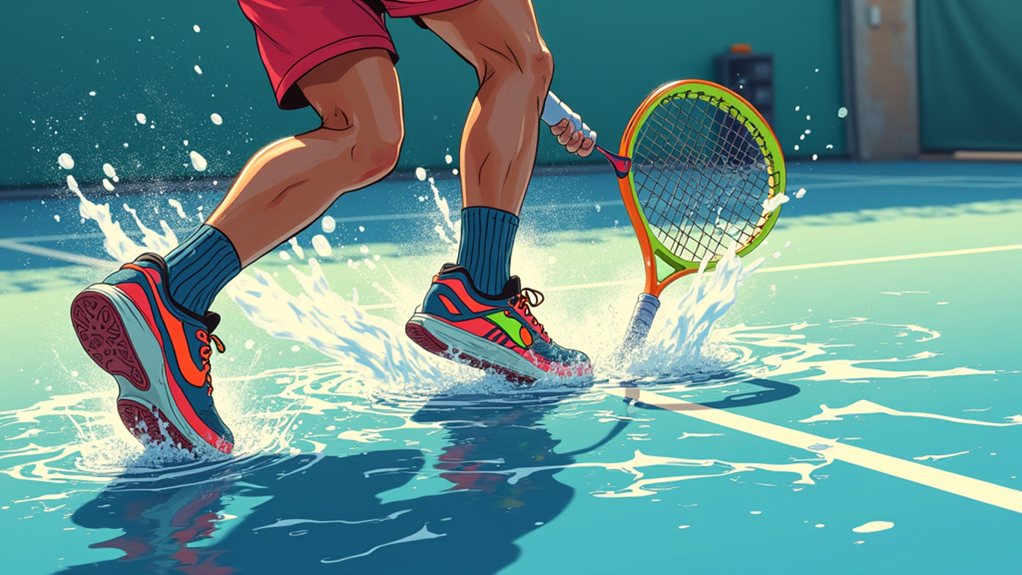
Slippery padel courts are dangerous because moisture, dirt, and algae reduce traction between your shoes and the playing surface. When traction fails, your ankles can twist during quick lateral movements, your knees can strain during sudden stops, and you can fall and injure your wrists, shoulders, or head.
Wet artificial turf becomes especially slick, making direction changes and landings unstable. Check the court surface before you play, wear proper court shoes with good grip, and replace worn soles immediately to reduce your injury risk.
What Every Padel Player Should Know About Court Safety
Every padel player faces court safety risks that you must understand before stepping onto the court.
You need to identify three main hazard categories: surface conditions, collision risks, and equipment problems.
Surface hazards include:
- Algae and moss create slippery patches
- Dirt and dust reduce grip
- Standing water causes immediate fall risks
- Loose turf seams catch feet unexpectedly
Collision hazards involve:
- Faded court lines reduce visibility
- Poor lighting obscures opponent positions
- Crowded play areas increase contact risk
Equipment hazards feature:
- Damaged glass panels pose cutting risks
- Loose fence fasteners create entanglement
- Worn net components catch racquets
Installing a home security system camera around your padel facility helps monitor court conditions and identify hazards before they cause injuries.
Check your court before each session.
Report damage immediately.
Wear proper shoes with adequate traction.
Position yourself away from opponents during serves.
Stay alert to changing conditions throughout play.

Wilson COURTGLIDE Women's Tennis Shoe - White/Bay/Skipper Blue, Size 8 US

Lightweight padel shoes for quick-fire play, made in part with recycled materials.
Why Do Slippery Surfaces Cause Injuries on Padel Courts?
Because slippery surfaces prevent your shoes from gripping the court, your movements become unstable and injury risks increase noticeably.
Slippery surfaces strip away shoe grip, turning stable movements into risky stumbles.
When moisture, dirt, or algae coat the playing surface, you lose the traction you need for quick direction changes and sudden stops.
Your body compensates by overworking muscles that should stay relaxed during play.
This compensation leads to fatigue and poor form.
- You slide when you plant your foot to swing
- You fall when the court doesn’t support your landing
- You twist when your foot catches on loose turf edges
We must address these hazards to protect every player on the court.
Ankle and Knee Injuries on Padel Courts
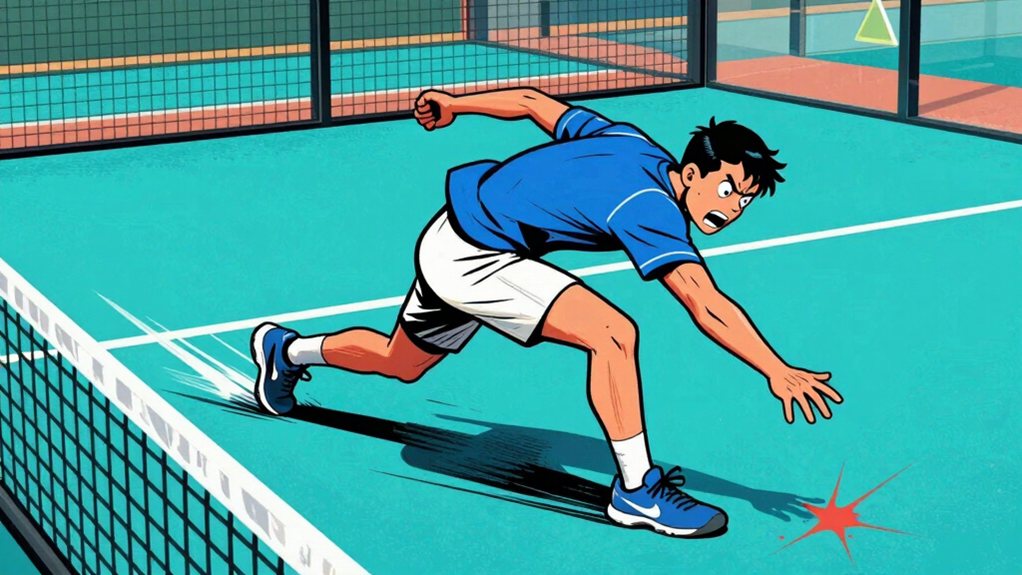
How do ankle and knee injuries occur on padel courts?
When the surface lacks grip, your body reacts faster than your feet can adjust.
Sudden direction changes become risky when traction fails.
Your ankles twist when you lose footing during quick lateral movements.
Your knees suffer when you attempt to brake or pivot on slippery turf.
Common injury scenarios:
- You plant your foot to change direction, but the surface gives way. Your ankle rolls inward.
- You sprint forward, then stop suddenly. Your knee absorbs the shock without proper grip.
- You jump and land on a damp patch. Your ankle buckles under the impact.
Preventive steps:
- Check court surface before playing. Look for standing water, algae, or loose turf sections.
- Wear shoes with proper grip. Replace worn soles regularly.
- Adjust your movement patterns. Take shorter steps on questionable surfaces.
- Strengthen your ankles and knees through off-court training.
Player Collisions on Unmarked Padel Courts
When court lines fade or disappear, you lose the visual boundaries that keep players apart. Your opponent runs into your lane because they can’t see where their territory ends. Your teammate hesitates because they’re unsure of their position.
These moments create dangerous collisions that result in concussions and broken bones. You must keep court lines visible to prevent these impacts.
- You check line visibility before every match and request re-marking when needed.
- You communicate your position loudly so other players know where you stand.
- You play cautiously on poorly marked courts to avoid unexpected contact.
When you ignore faded lines, you risk serious injury from player-to-player impact.
Loose Court Parts That Cause Slips and Falls
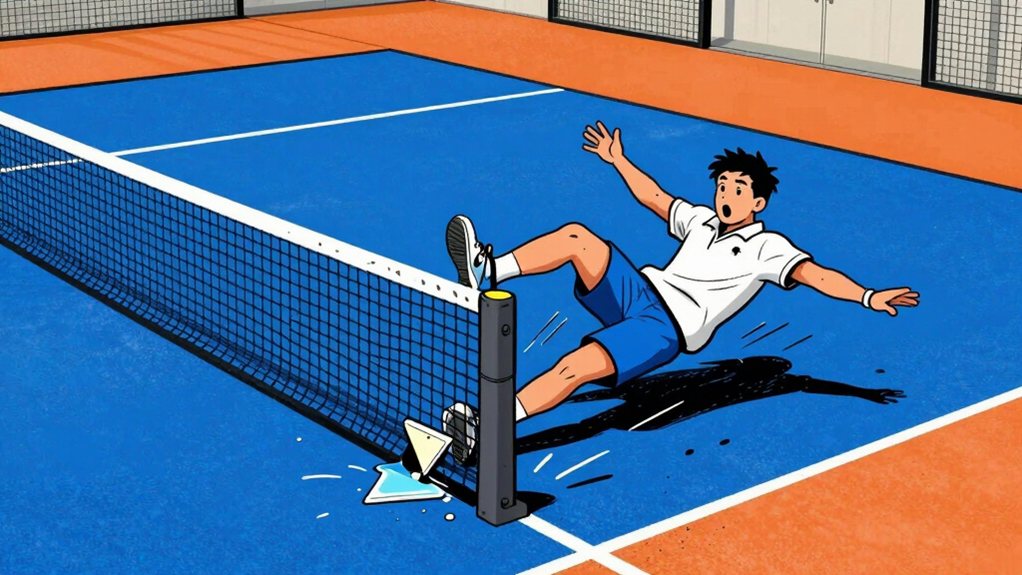
You must check loose turf seams, unsecured glass panels, and broken net anchors, as these create dangerous tripping hazards during play. These loose parts catch your feet and equipment, causing unexpected falls and injuries.
Inspect your court regularly, secure all seams, repair loose glass fixtures, and replace damaged net anchors to maintain safe playing conditions.
Loose Turf Seams
Check these key areas regularly for seam integrity: edge seams running along panel boundaries, seam lines near the service boxes, areas around goal recesses, and high-traffic zones near the net. Loose turf seams create serious trip hazards. When edges lift, your foot catches and you fall.
Inspect seams monthly. Press down on edges to detect looseness. Replace damaged sections immediately.
- Your ankle twists violently when you trip on a loose seam, ending your game instantly.
- You land hard on your wrist or shoulder, suffering injuries that require weeks of recovery.
- Your court faces liability claims when players get hurt on preventable hazards.
Maintain proper seam tension. Use seam tape for repairs. Hire professionals for installation. Check seams weekly for safety always.
Unsecured Glass Panels
Because glass panels aren’t properly secured to the court frame, they create notable slip and fall hazards.
You must treat unsecured glass panels as immediate safety risks.
- Inspect each panel for movement before every session and record findings.
- Tighten four bolts on each panel, two top and two bottom.
- Check gaps between panel and frame; fill them to prevent pooling.
- Clean glass surfaces daily to remove dust, dirt, and moisture completely.
- Apply a non-slip coating to the lower 30 cm of each panel.
- Mark any loose panels with warning tape until they’re repaired.
- Inspect panel edges for sharp fragments and remove debris promptly daily.
- We document each inspection and repair in the court log daily.
Broken Net Anchors
When net anchors break or become loose, they create serious trip hazards that compromise player safety. Inspect your net posts before every match. Replace worn anchors that show cracks or rust immediately. Tighten loose anchors with a wrench to prevent movement during play.
Here are the risks:
- Anchors that move cause unexpected foot catches, leading to dangerous falls
- Loose anchors damage court shoes and create tripping points for players
- Broken anchors prevent proper net tension, affecting ball bounce during volleys
Check anchor stability weekly. Replace damaged parts with certified court hardware. Your safety depends on secure net anchoring.
How Bad Court Conditions Strain Your Body
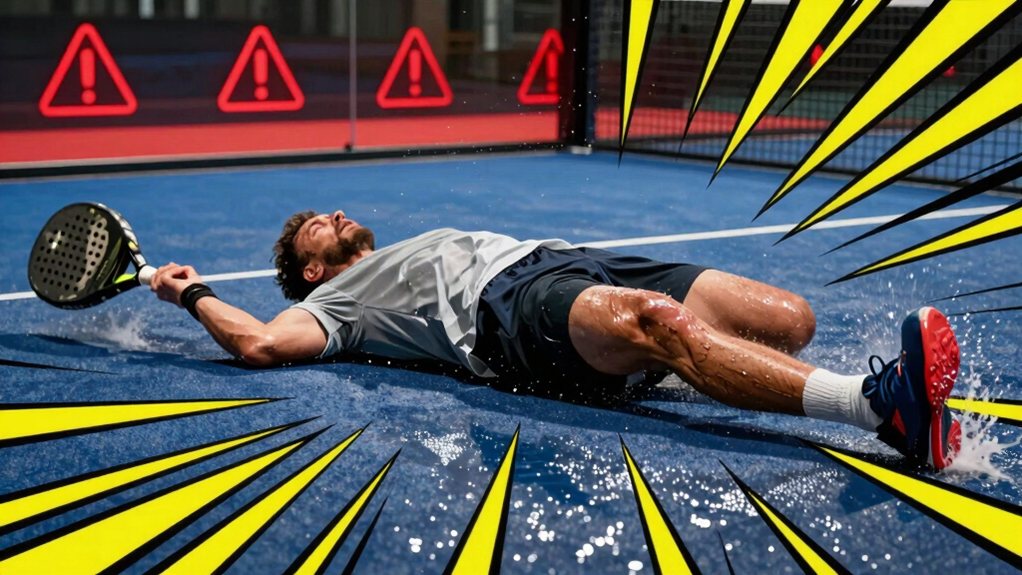
Pushing your body to move quickly on a slippery padel court forces your muscles to work harder than they should. You’ll compensate by tightening your ankles and knees, which raises muscle fatigue. The lack of grip makes you over-extend your stride, stressing your lower back.
Over time, this extra effort can lead to chronic strain in your legs, hips, and spine. We’ll recommend you shorten your steps and keep your knees slightly bent to reduce load.
- Check the court surface before each match.
- Adjust your footwork to smaller, controlled steps.
- Use supportive shoes with non-slip soles.
| Body Part | Strain Level |
|---|---|
| Ankle | High |
| Knee | Moderate |
| Lower Back | High |
Regular stretching after play helps prevent long-term injury. Stay hydrated for optimal muscle function.
How Weather Makes Padel Courts More Dangerous
Weather adds another layer of danger to padel courts. When rain pours, puddles form on glass walls and court surfaces. You lose traction instantly when water pools in playing areas.
Temperature swings cause court materials to expand and contract, creating uneven surfaces.
In cold weather, artificial turf becomes stiff and less forgiving. You risk more injuries when surfaces harden.
Hot sun heats court materials, making them tacky and unpredictable. Your footwork suffers when surfaces feel different under extreme heat.
- Rain creates immediate slip hazards on glass walls and court floors.
- Temperature changes warp court materials, causing uneven playing conditions.
- Extreme heat or cold alters surface grip, forcing you to adjust your movement constantly.

Value Synthetic Grass Rug:Designed and made according to the real fescue-like grass, with the blade around 0.4'' in length, it is safe and comfortable for child and pets play on it. Artificial grass outdoor rug looks like real grass. Providing you with year-round green and turf enjoyment

Realistic Artificial Grass: High-density artificial grass, soft and lush, looks and feels like natural grass. Suitable for all indoor and outdoor projects, it can provide you with green spaces and lawns to enjoy all year round. It is very safe and comfortable for children or pets to play on artificial turf

Multiple Uses: Oiyeefo artificial grass can be installed at pets playing area, backyard, garden, patio, balcony, swimming pool, door mats and indoor potty training etc, portable and weatherproof, make you and your furry friend life more easier
How Humidity and Moisture Affect Padel Court Grip
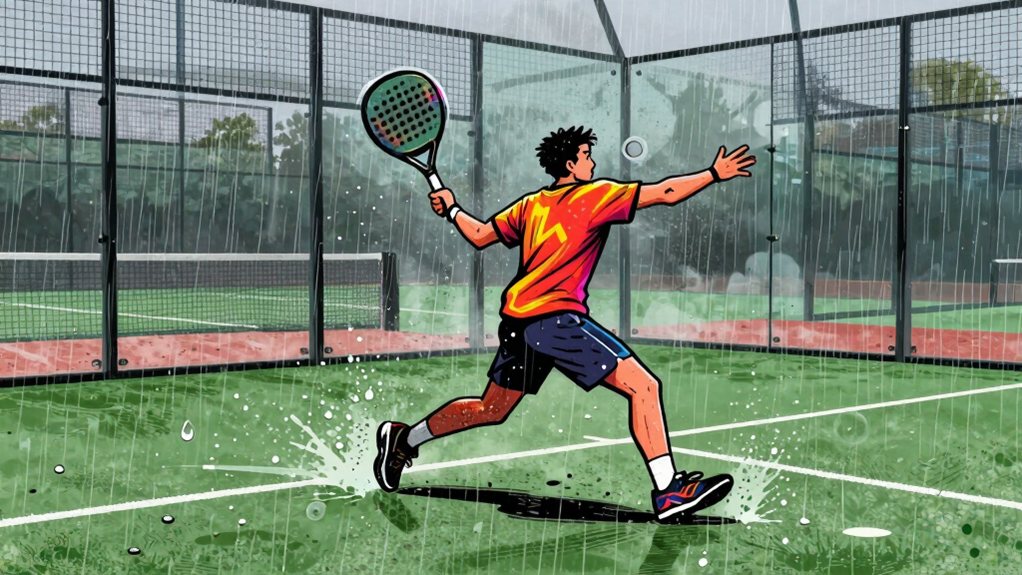
High humidity lowers traction on padel courts, making surfaces feel slick underfoot.
Wet surfaces reduce grip noticeably, forcing you to adjust your movement patterns to avoid slips.
Moisture causes slippery courts by creating a thin water layer that compromises shoe-turf contact.
Humidity Lowers Traction
Moisture in the air creates invisible threats on padel courts. When humidity rises above 60%, court surfaces become slick. You feel less stable during quick direction changes. Your shoes lose their grip on the artificial turf.
We must understand how air moisture affects player safety.
- High humidity deposits micro water particles on court surfaces.
- These particles create a thin, invisible film that reduces friction.
- Your footwork becomes unpredictable even when courts appear dry.
You should monitor humidity levels before each match. Keep humidity below 50% for ideal traction. Use dehumidifiers in enclosed court areas.
Wet Surfaces Reduce Grip
When water sits on court surfaces, it creates immediate traction problems. You notice reduced friction between your shoes and the court. The artificial turf fibers become slick when wet.
Your feet slide instead of grip. Water acts as a barrier between shoe soles and playing surface. You lose stability during quick movements. The court feels unpredictable under your feet.
Moisture from humidity and standing water compounds the problem. Your shoe’s grip technology fails on wet artificial turf. The court surface becomes hazardous when damp. You need to adjust your movement and footwear to maintain control during play.
- Check court surface before play for visible moisture.
- Wear shoes with wet-traction compounds designed for artificial turf.
- Avoid sudden direction changes on wet areas.
- Keep court drainage clear of debris.
- Wipe excess moisture from balls and shoes between points.
Moisture Causes Slippery Courts
Because humidity saturates the air, padel court surfaces become slippery even without visible water.
You notice the court feels different on humid days. The moisture in the air condenses on the playing surface, reducing the friction your shoes need for quick stops and direction changes. We see this effect in both indoor and outdoor courts.
The impact on your game is notable:
- You lose traction during fast lateral movements, increasing your risk of falls and ankle injuries.
- Your footing becomes unreliable when you attempt to change direction quickly, leading to knee strain.
- You experience reduced confidence in your footwork, which affects your overall performance and enjoyment.
Maintain proper drainage and ventilation in your facility. You reduce slip hazards by controlling humidity levels below 60%.
Injury Risks From Damaged Padel Court Surfaces
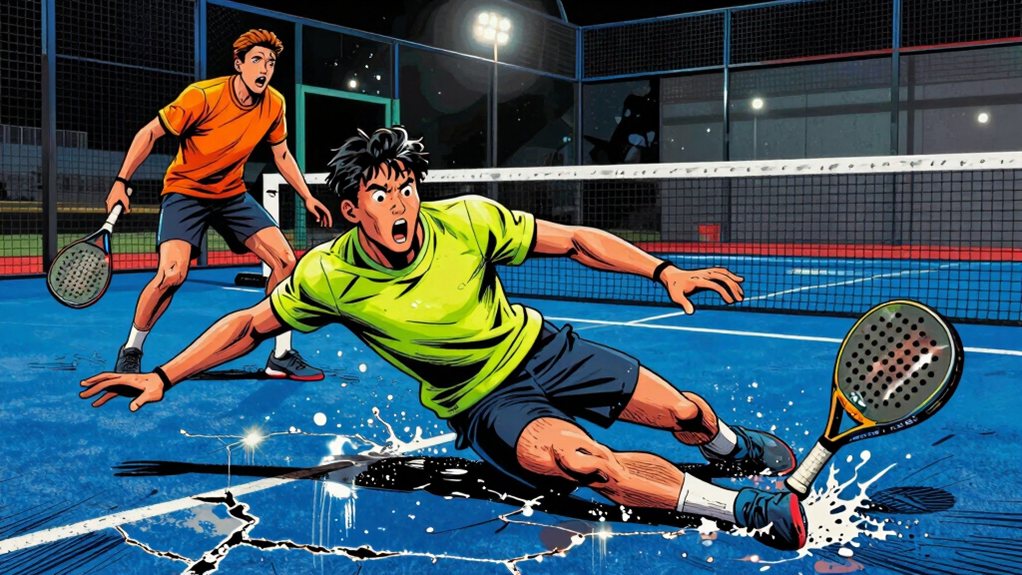
Three major injury categories threaten padel players on damaged court surfaces.
- Trauma from falls. You risk wrist fractures, shoulder dislocations, and head impacts when you slip on loose turf sections. Your body absorbs full force when you can’t catch yourself. Broken glass panels nearby increase these dangers considerably.
- Joint injuries. You twist ankles and damage knees when sudden traction loss forces unnatural twisting motions. Wet or uneven surfaces amplify these risks. The ankle is the most vulnerable joint in these situations.
- Collision injuries. You collide with other players when unclear court lines force unexpected movement adjustments. Damaged fences and glass panels add extra danger. Poor footwork confidence from slippery surfaces causes unpredictable player positioning.
Loose turf seams catch your feet. Cracked glass creates sharp edges.
These hazards cause you to fall unexpectedly. Inconsistent ball bounce from displaced infill creates unpredictable playing conditions.
How to Protect Yourself From Slippery Court Hazards
You can protect yourself from slippery court hazards by wearing proper footwear with good grip, checking court conditions before play, and adjusting your movement techniques for wet surfaces. We recommend you examine your shoes before each session. Replace worn treads immediately. Choose shoes designed for court sports.
Test the surface by tapping your foot gently before making fast movements. Slow down your approach to balls. Use shorter strides on wet areas. Plant your feet firmly before swinging.
Stay aware of puddles and wet spots. Report any drainage problems to court staff. Your safety depends on constant attention.
Stay aware of puddles and wet spots; report drainage problems immediately. Your vigilance keeps you safe.
- Inspect your shoes for worn treads before each game
- Test court grip by tapping your foot gently before fast movements
- Adjust your speed and stride length when surfaces appear wet
Frequently Asked Questions
Who Is Responsible for Maintaining Padel Court Grip Standards?
You bear responsibility as the court owner or operator, maintaining grip standards through regular cleaning, proper drainage, and timely repairs to guarantee player safety.
How Frequently Should Padel Courts Be Inspected for Slip Hazards?
You should inspect your padel courts for slip hazards weekly, perform detailed monthly assessments, and schedule seasonal professional evaluations to maintain ideal grip standards, prevent injuries, and ensure consistent game performance for all players.
What Type of Shoes Provide the Best Traction on Wet Padel Surfaces?
Picture your feet anchoring to wet turf like tires on rain-slicked roads. You need shoes with non-marking rubber soles featuring herringbone or multi-directional tread patterns specifically designed for court sports. These provide excellent wet traction.
Can Players Request a Court Inspection Before a Match?
Yes, you can request a court inspection before your match. Ask the manager or referee to check the surface, lines, and equipment. Report any hazards like standing water, loose turf, or damaged areas immediately to ensure safe playing conditions.
What Legal Recourse Do Players Have After Slipping on a Poorly Maintained Court?
You can report the hazard to management, request incident documentation, and file a premises liability claim. Document your injury thoroughly with photos, medical records, and witness statements. Consult an attorney immediately for compensation options.
Final Thoughts
- Inspect surfaces before every session
- Remove wet spots, debris, and loose parts immediately
- Wear court shoes with high-traction soles
- Apply anti-slip coatings every 3 months
- Report damage to operators within 24 hours
- Check humidity levels before play begins
Stay aware, stay safe. Your vigilance prevents injuries. Your attention saves legs.
Prioritize surface checks, or risk serious harm. We depend on your caution.