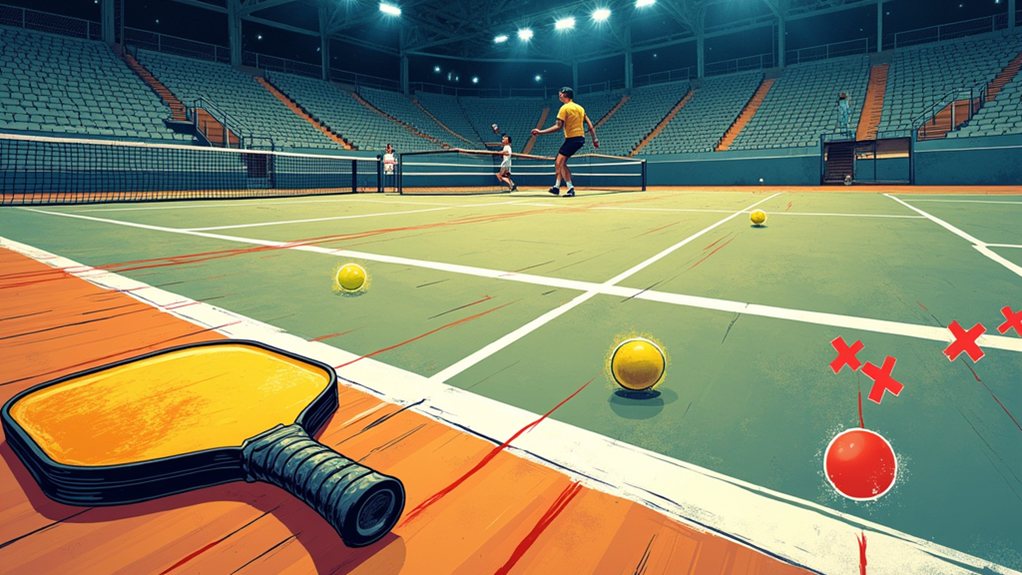
Volley serves are legal when you contact the ball below your waist with an upward paddle swing and the paddle head below your wrist. A double hit is only a fault if you change direction or pause between contacts. Momentum carries into the kitchen until you establish a firm position, you cannot let your momentum cause a foot fault. You can carry one spare ball in your pocket, but only retrieve it if your active ball cracks.
Stop retreating after volleys; step forward into the kitchen to pressure your opponent. Continuing will give you the full breakdown of these common errors.
Can You Hit a Volley Serve in Pickleball? The Toss Rule Explained
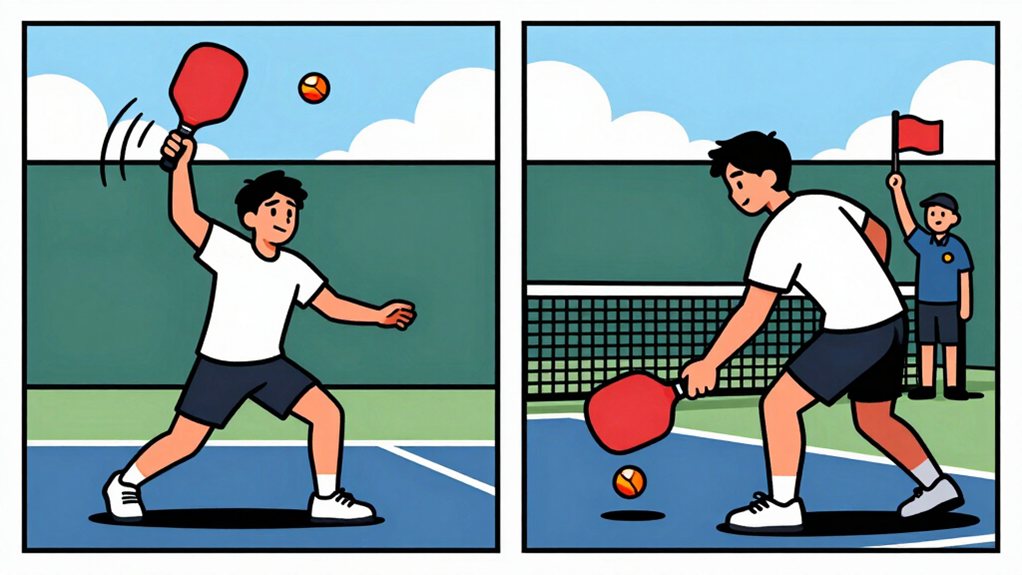
You can hit a volley serve in pickleball, but only if you follow specific requirements. This rule confuses many players and leads to common pickleball rule mistakes that cause faults.
Pickleball rules explained for volley serves require three key conditions:
Hit the ball below your waist, swing the paddle in an upward arc, and keep the paddle head below your wrist.
- The ball must be hit below your waist
- Your paddle must follow an upward arc
- Your paddle head must stay below the highest point of your wrist
Players often assume the toss invalidates the serve. This is a mistake. The rulebook doesn’t prohibit the toss itself. You simply must meet the contact requirements.
To avoid pickleball faults:
- Practice your toss consistently
- Keep your wrist below the ball at contact
- Make sure upward paddle motion
- Maintain control throughout the swing
The misunderstanding comes from the absence of explicit toss rules. We’re aware you want to add variety to your serve. Test the toss in practice first. Master these mechanics before using them in competition.

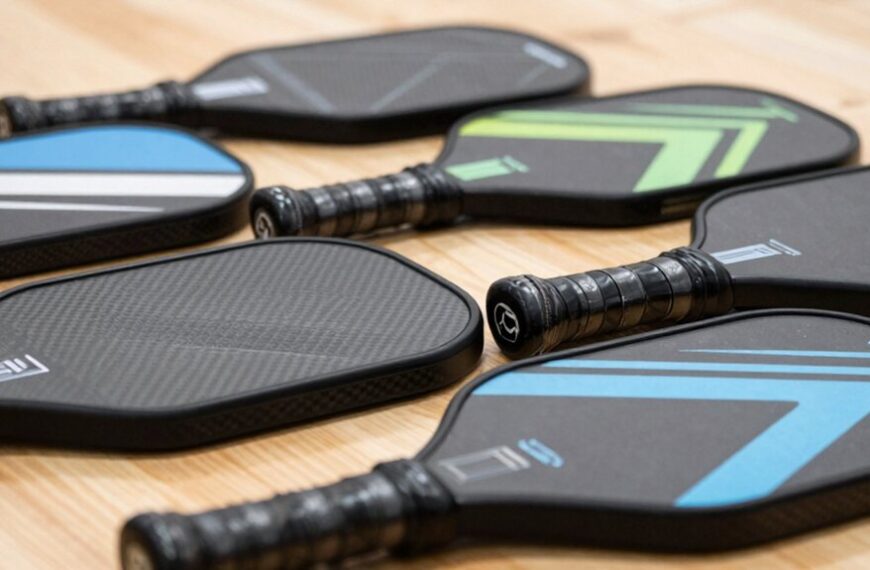
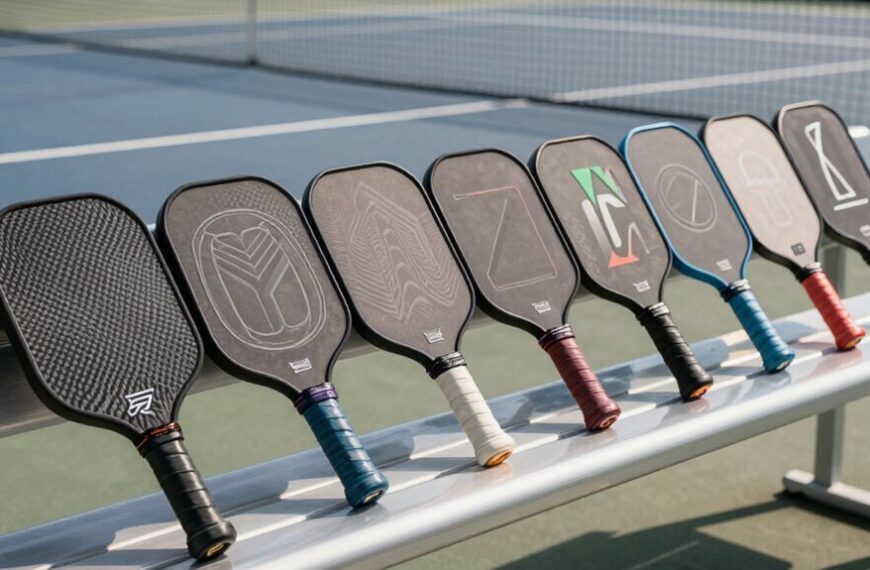
Upgrade Paddle Ball Game with Pickleball Paddles Set: Dominate the court! Fiberglass + honeycomb core brings insane power and control. The sweat - proof grip locks in your hold, while shock absorption saves your hands. Edge guard protects, big sweet spots score—unleash your best Pickleball game!


What Counts as a Double Hit in Pickleball?
When two contacts happen during one continuous swing, you might assume you’ve committed a fault. The rule actually permits this. A double hit is legal when one player hits the ball twice during a single, continuous stroke in one direction.
The key word is continuous. You commit a fault only when you change direction between contacts or when the ball contacts your paddle twice with a pause in between. Rule 11.A covers this situation explicitly. Many players wrongly believe all double contacts are illegal.
- Legal: Two hits in one smooth forward swing
- Fault: Two hits with a stop or direction change
- Fault: Two hits by different players
Your stroke must stay fluid from start to finish. If you feel two distinct impacts, the point goes to your opponent.
When Does Momentum Into the Kitchen Become a Fault?
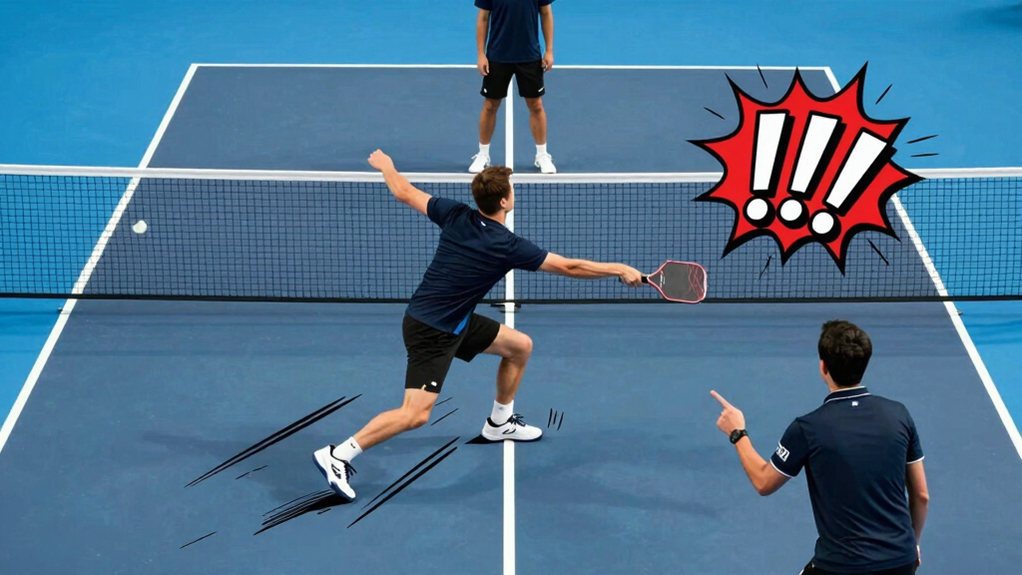
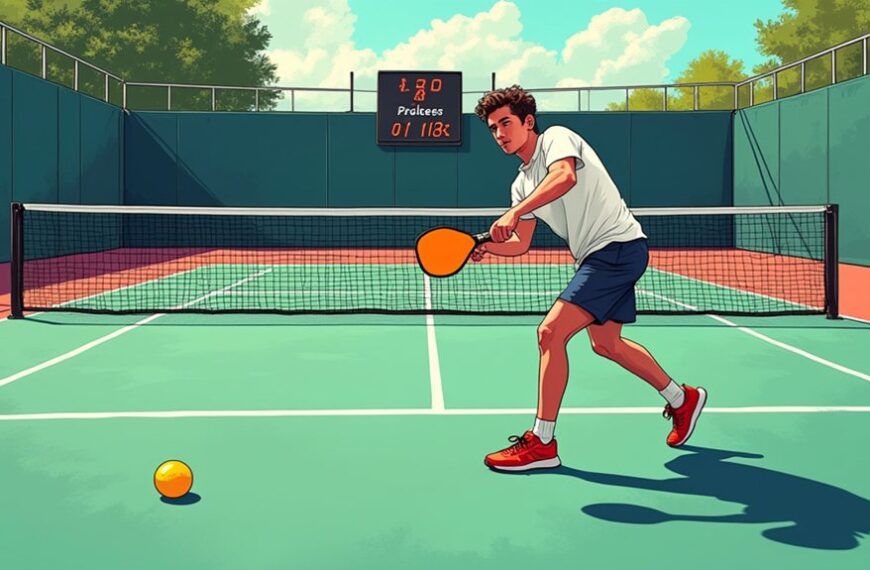
Building on stroke rules, momentum carry into the kitchen creates another common fault. When you volley the ball and your momentum carries your body or paddle into the non-volley zone, you commit a fault. The confusion lies in determining when momentum actually ends after your shot.
- Momentum continues until you establish firm, controlled position in the court
- Your opponent’s return shot doesn’t automatically negate your momentum fault
- Fault determination is independent of subsequent plays and is called immediately after your volley
You must stop all forward momentum before entering the kitchen line. If your foot touches the non-volley zone during or immediately after a volley, the point goes to your opponent.
The rule protects fair play at the kitchen line. We recognize this creates challenges for players transitioning quickly after powerful volleys. Just as athletes use smart home security gateways to monitor and control boundaries in their living spaces, understanding and respecting court boundaries is essential to maintaining fair play in pickleball.
Can You Carry a Second Ball in Your Pocket During Play?
Despite what many players believe, carrying a second ball in your pocket during play is allowed. This rule often surprises beginners who assume pocket storage creates an unfair advantage.
You can keep a spare ball in your pocket—it’s allowed, and many beginners are surprised.
The rule allows one additional ball in your pocket. Retrieve it only when the active ball becomes damaged or lost. This allowance originated from tennis where players keep spare balls accessible.
Key guidelines:
- Only carry one extra ball.
- Use it only after the current ball is out of play.
- Don’t handle the pocketed ball during a live rally.
You benefit from this rule when your first ball cracks mid-rally. Check your spare ball before matches to ensure it meets USA Pickleball standards.

PICKLEBALL RULES TAGS - No more guessing or arguing on the court about the rules. Our tags are simplified for easy understanding. Includes diagrams, covers the basics and more including serving, two bounce rule, scoring, serving rotation, the kitchen rules, terms & more. Takes the confusion out of the rules of pickleball. Quick start guide to playing pickleball.


Why Do Beginners Keep Losing at the Kitchen Line?
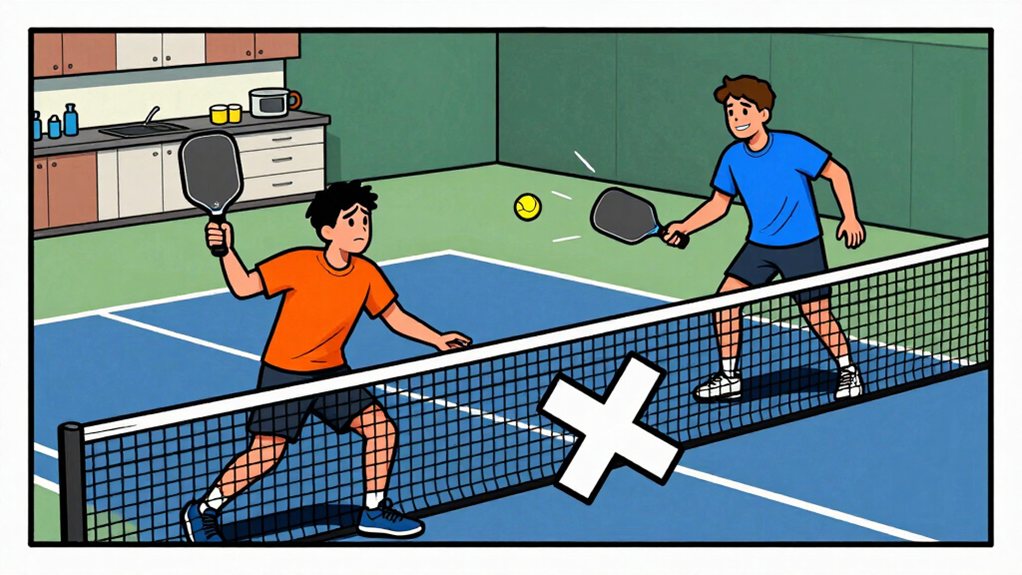
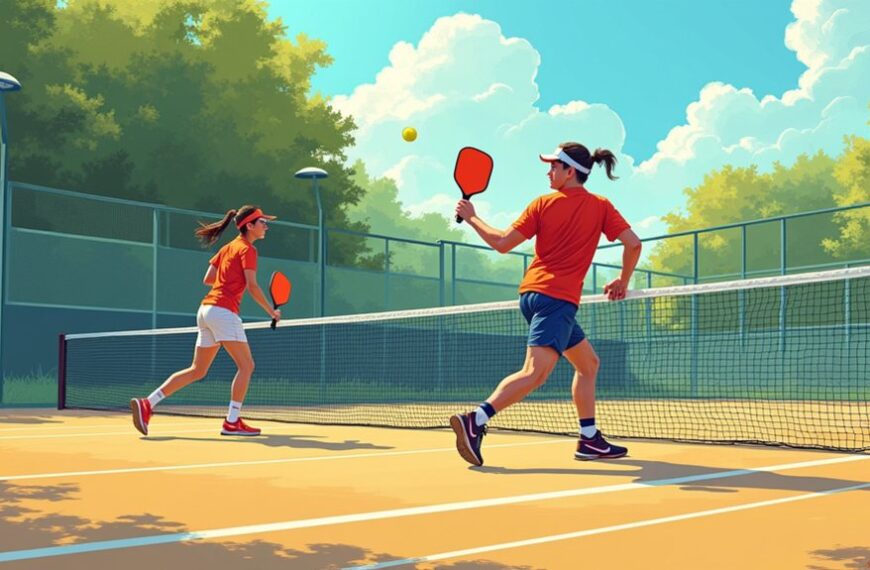
You lose points at the kitchen line because you arrive too late or step back too early. We see beginners retreat after hitting a volley instead of moving forward to the non-volley zone. This hesitation gives opponents time to reset and attack. Your team wins more rallies when you reach the kitchen first.
Here are three common mistakes you must avoid:
- You stand too far back on returns, keeping opponents at the baseline
- You step back after hitting instead of stepping forward into the kitchen
- You fail to advance when you see your opponent’s paddle tip down
Correct these habits and you’ll control the kitchen line.
Frequently Asked Questions
Is It a Fault to Step Onto the Kitchen Line While Hitting?
Yes, you commit a fault when momentum carries your body into the non-volley zone while hitting a volley. The rule prohibits touching the kitchen during or immediately after striking.
Can You Call a Let if the Ball Hits the Net?
Like a ball bouncing back, no, you can’t call a let in pickleball when it hits the net. If it clears the net, play continues; if it doesn’t cross, it’s simply a fault.
Does the Ball Have to Bounce Before Being Hit in the Kitchen?
Yes, you must let the ball bounce before hitting it in the kitchen. You cannot volley inside the non-volley zone. Wait for the bounce, then strike cleanly. This rule prevents aerial dominance in the kitchen.
Is It Allowed to Hold the Paddle With Both Hands?
You cannot hold your paddle with both hands while hitting. Pickleball rules require you to grip the paddle with one hand only, keeping your free hand away from the hitting zone during play entirely.
Do You Need to Win by Two Points in Every Game?
Teams advancing to the kitchen first win 75% of points. Yes, you must win by two points in every game, to 11, 15, or 21 depending on division. This rule prevents deadlock and promotes competitive play.
Final Thoughts
Apply what you’ve learned today. Master the serve rules, follow the two-bounce requirement, and avoid kitchen faults. Keep both feet behind the baseline during the serve. Players must let the ball bounce once before returning.
You can’t volley inside the non-volley zone. The serve must land in the opposite diagonal court. Play with confidence. Precision prevents disputes and preserves the fun. Like a well-oiled machine, your matches will always run efficiently when everyone follows the same guidelines.

FUN & FUNCTIONAL: Fred’s In The Kitchen pickleball sponges serve up a serious clean! With 3 hardworking layers, these sponges are ready to rally against tough grime and dink away tough messes.

This tee is great for anyone who loves pickleball! This funny shirt says Stay out of the kitchen. Play pickleball! Wear it to add fun to your next match or just hanging out with your fellow picklers!
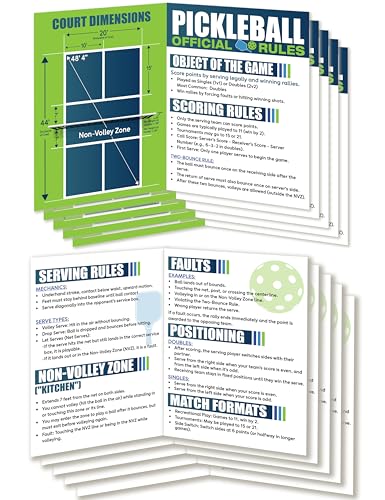
Pickleball rules card – Say goodbye to confusion on the court with this easy-to-follow bi-fold rules reference. Side 1 and Side 2 feature official pickleball rules, including serving rules, scoring, the kitchen rule explained, and more. A great pickleball quick guide for players of all levels.