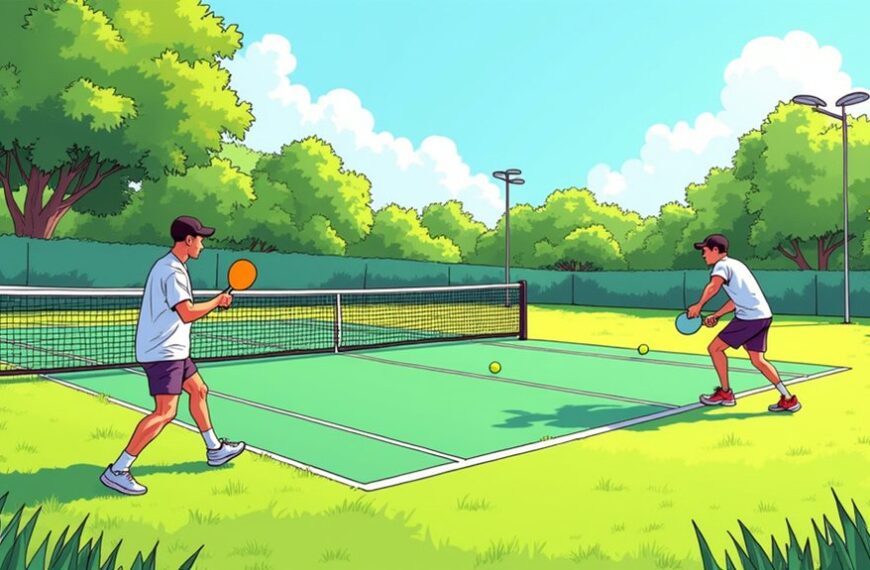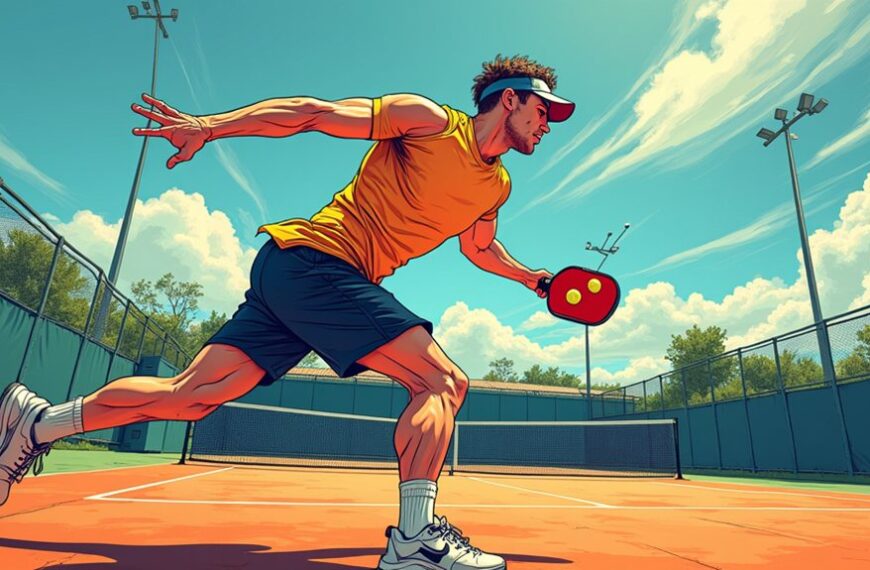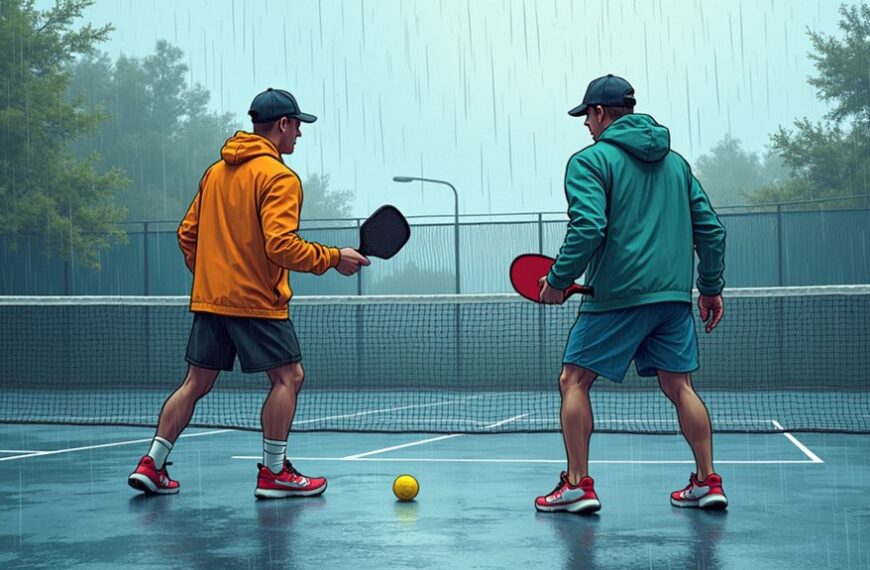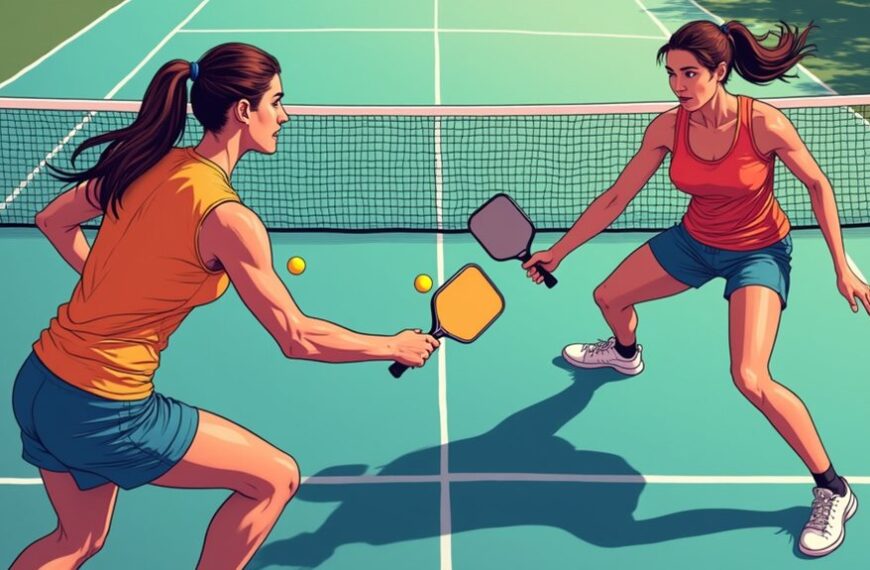
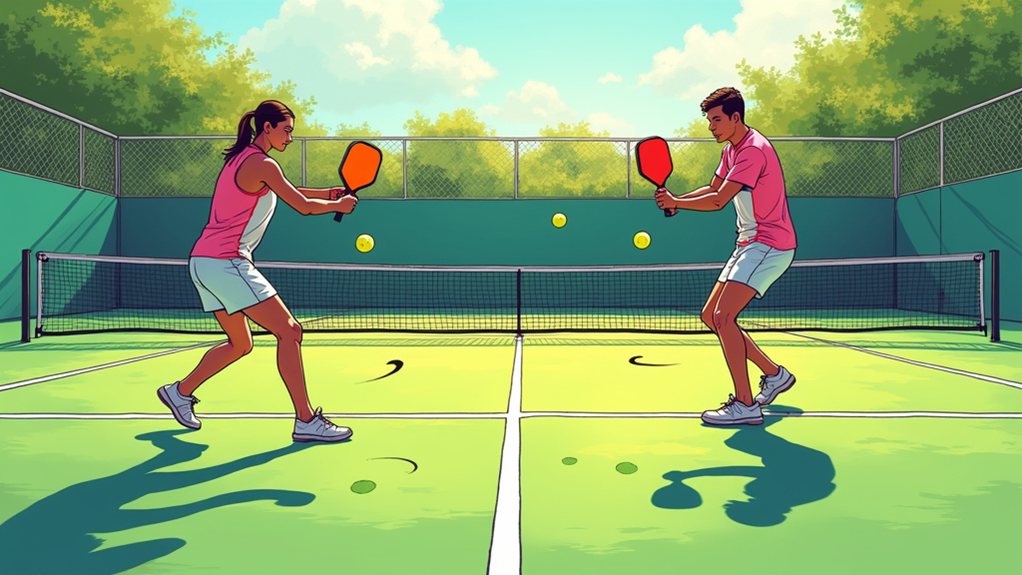
1) You’ll open your stance, paddle 30° open to the diagonal; 2) swing low with lift; 3) follow through across 20 by 44 foot court. Cross court clears the 34-inch net center, offers a wider target, lowers error.
Switch to down the line when angle opens, keep paddle square, shift weight forward, aim at 10 foot lane. Avoid late steps, reaching, excess power.
Practice 20 balls per zone, 30 balls direction consistency, 15 minute live rallies. Keep going for advanced tips now.
Cross-Court vs Down-the-Line: Which Shot Should You Play?
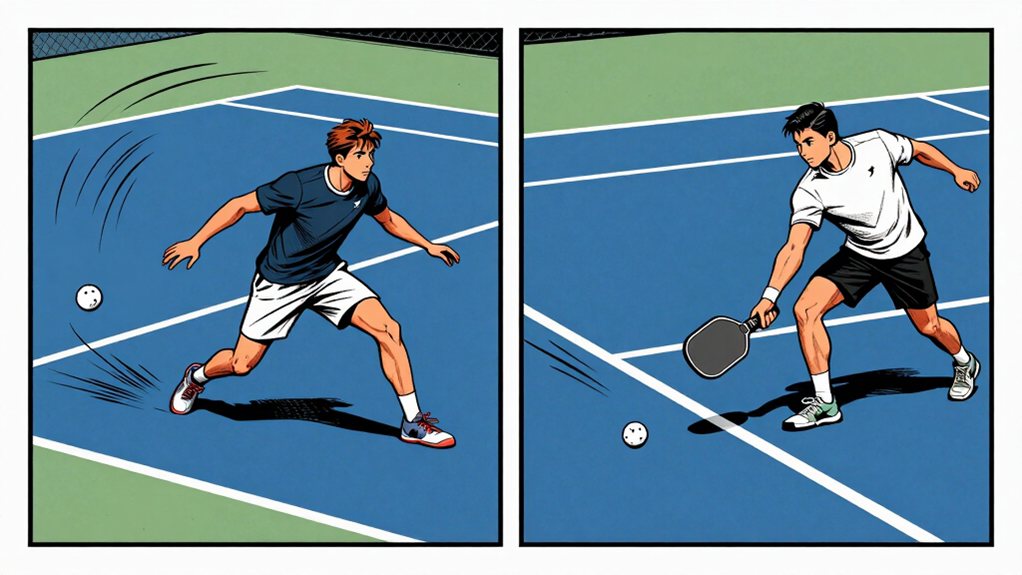
Before you hit, you must choose between cross-court and down-the-line shots. Your decision shapes every point.
Pickleball shot placement matters most. Cross court pickleball creates wider angles. Down the line pickleball travels shorter distances.
Pickleball shot placement matters most—cross‑court widens angles, down‑the‑line shortens distance.
We judge each shot by these factors:
- Net height clearance: cross-court passes lower center at 34 inches; down-the-line nears higher sides at 36 inches.
- Error margin: diagonal shots allow more room than narrow 10-foot lanes.
- Opponent positioning: cross-court slows their attack; down-the-line invites sharp returns.
We choose cross-court when you need safety, opponent crowds the line, or you want to stretch the rally.
We choose down-the-line when the angle opens, opponent stays deep, or you spot a clear winner. Your choice transforms each point.
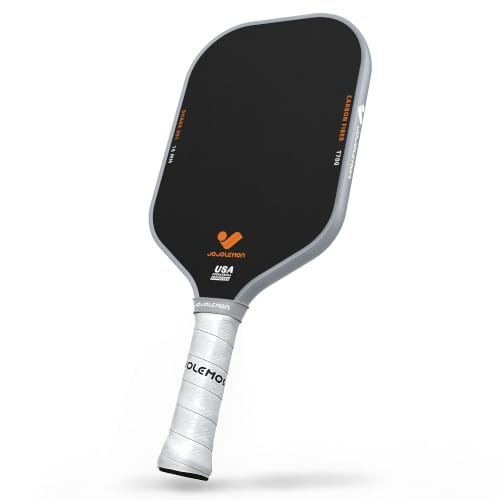
OPTIMIZED DESIGN: The top-of-the-line JOJOLEMON pickleball paddles is meticulously designed and tested for its appearance, frame, and perforation design to provide the ultimate hitting experience and comfort.

PROFESSIONAL QUALITY: Designed by Franklin pickleball pros, this premium quality paddle has been constructed to compete, and win, at the highest level

USA Pickleball Approved: BAGAIL pickleball paddles have been approved by the USA Pickleball Association (USAPA) for tournament play, ensuring high safety and professionalism. Each paddle is manufactured strictly according to USAPA standards, and carries a USAPA approval label
Why Cross-Court Shots Give You the Geometry Advantage
The court geometry gives cross-court shots a clear advantage. The diagonal path across a 20-by-44 foot court gives you more room for error. When you hit cross-court, the ball travels over the lower center net section at 34 inches. This provides a higher margin for success compared to hitting down-the-line.
You reduce your risk of sending the ball into the net or out of bounds.
- Cross-court shots pass over the 34-inch net center, the lowest point
- The diagonal distance stretches the ball path, slowing its arrival for better positioning
- You gain a wider target area, reducing tight error margins
- Opponents must cover more ground to reach your shots
- The angle forces opponents to hit on the move, creating strategic openings for you
The Risks of Going Down-the-Line in Pickleball
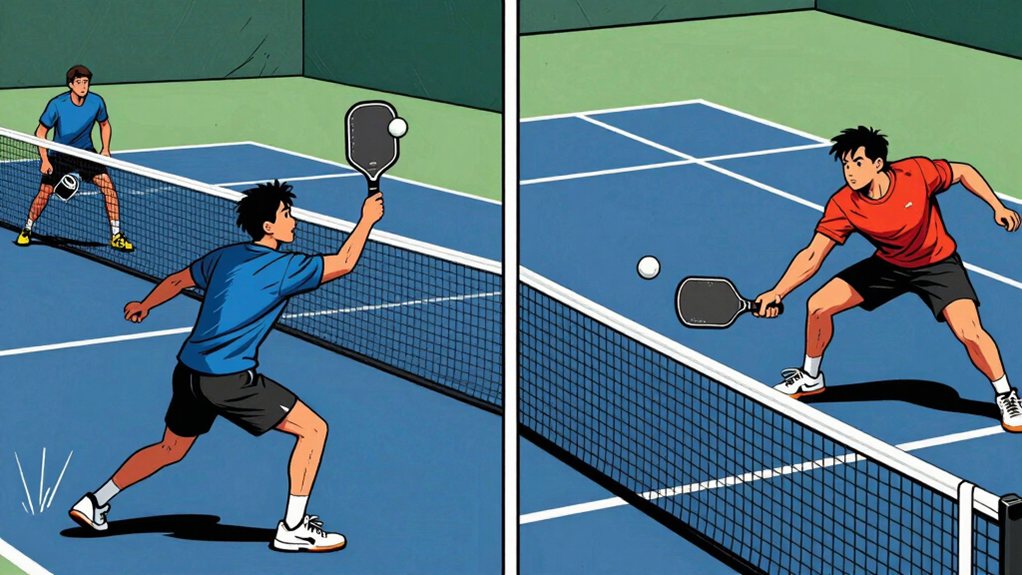
While cross-court shots give you that geometric edge, going down-the-line introduces notable risks you need to understand. The 10-foot lane leaves almost no room for error. You face a higher net at the sideline, increasing your chance of hitting long. Opponents waiting at the non-volley zone redirect fast balls sharply.
Your timing must be precise near full court depth. These factors lead to more unforced errors.
| Risk Factor | Impact on Game |
|---|---|
| Narrow lane | Minimal margin for error |
| Higher sideline net | Greater fault probability |
| Fast opponent returns | Limited recovery time |
You increase your risk when you choose down-the-line during tight rallies. Your shot must be perfect, or you lose the point.
How to Hit a Clean Cross-Court Shot
Ever wonder why cross-court shots give you the winning edge? Use an open stance and angle your paddle face toward the diagonal target.
Ever wonder why cross-court shots give you the winning edge? Open your stance and angle the paddle toward the diagonal for unstoppable placement.
Follow these five steps to hit a clean cross-court shot:
- Start with an open stance, hips and shoulders angled toward the net.
- Position the paddle early, open the face about 30 degrees toward the diagonal.
- Swing low, brush the ball with a slight upward lift.
- Follow through straight across, extending past the opposite sideline.
- Keep your weight forward and recover quickly for the next shot.
Practice this pattern daily. Focus on consistent paddle angle and effortless follow-through.
When you lock in the diagonal, you’re reducing errors and increasing winners. Play each rally with patience, and watch your cross-court consistency grow steadily.
When to Switch to Down-the-Line Shots?
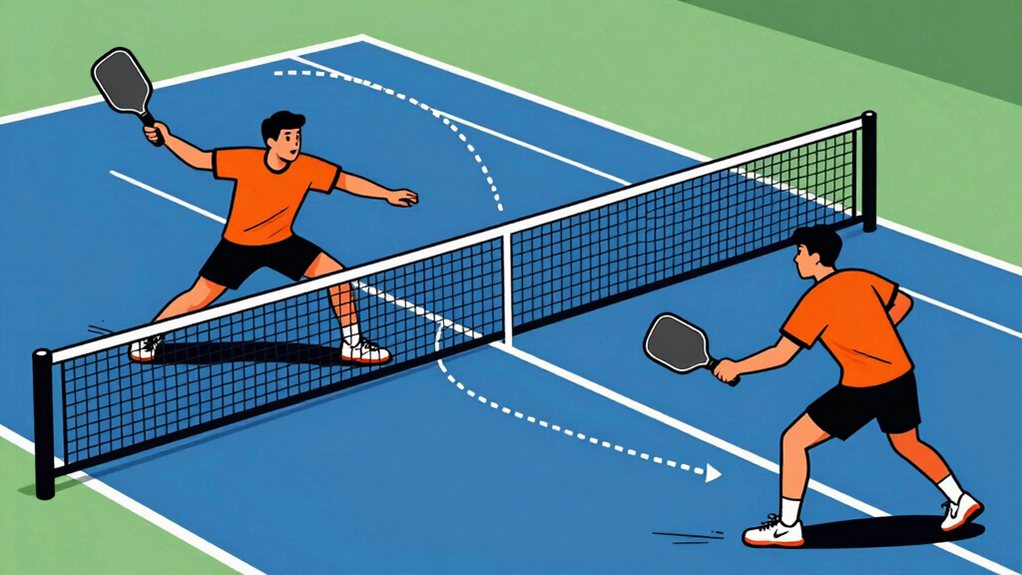
When you notice your opponent is leaning away from the sideline, you should switch to a down-the-line shot to exploit that open court.
Watch for their paddle position and hips—if they angle away from the line, you can force them into an uncomfortable defensive reach.
Use the down-the-line shot to compress the court, narrow their options, and push them into making rushed, error-prone returns. Just as smart security gateways monitor and control entry points in a home system, controlling the angles of your shots dictates how your opponent moves and responds on the court.

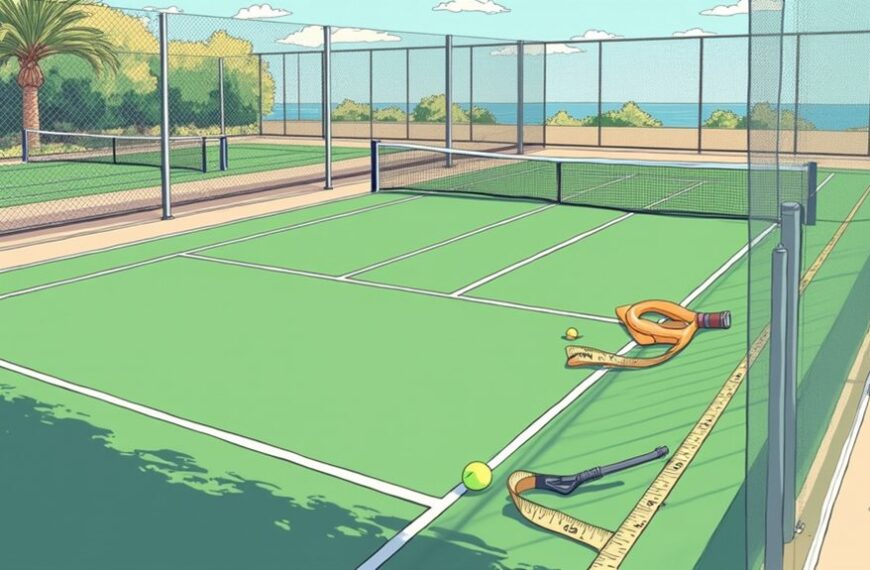
🟠🟡28-PIECE COURT MARKER KIT – BUILD A COURT IN MINUTES – Includes 10 yellow I + 10 orange I + 4 yellow L + 4 orange L; L-shapes designed for corners. No tape, no paint—just place and play.


CONTAINS 28 MARKERS: 20 black I-shaped , 8 black L-shaped.
Read Opponent Stance
If you notice your opponent overcommitting to one side, you can catch them with a down-the-line shot.
Watch their hips and shoulders align.
Their weight shift reveals the direction they plan to move.
We read their stance to choose our shot placement.
You create an advantage when they lean the wrong way.
- Their hips point toward one corner
- Their shoulders angle toward the sideline
- Their paddle lifts early on one side
- Their feet plant in a narrow base
- Their head turns toward the target they expect
Exploit Open Court
Often, the best time to hit down-the-line arrives when your opponent leaves a massive gap in the court.
Watch for the moment your opponent shifts toward the middle or fails to cover the sideline. This opens the near sideline lane for a down-the-line shot. When the court opens, step quickly and aim at the open side.
- Identify the gap.
- Move early toward the ball.
- Keep your paddle face perpendicular to the sideline.
- Strike the ball just past the net’s higher side, aiming for the far corner.
Remember to watch your opponent’s footwork. If they stay deep, you have more time.
If they move forward, you must act fast. Practice these decisions in drills to build quick decision-making and consistent shot placement on the court.
Force Defensive Errors
Master the art of forcing defensive errors by identifying moments when your opponent struggles to recover. Watch for when they reach far wide or lunge awkwardly. These moments signal the right time to switch tactics and use down-the-line shots.
You force errors when you make them move further than expected. Your cross-court shots create these gaps. Then sudden down-the-line drives exploit the opening. The opponent can’t adjust in time.
- Your cross-court angle opens the sideline space
- Wait for your opponent to over-commit to one side
- Hit down-the-line when they scramble back
- The narrow lane forces a difficult recovery angle
- They often mis-hit or hit long under pressure
Switch tactics at the right moment and you convert defense into offense. Timing determines success. Trust your observation. Execute the switch.
Drills to Build Consistent Shot Direction
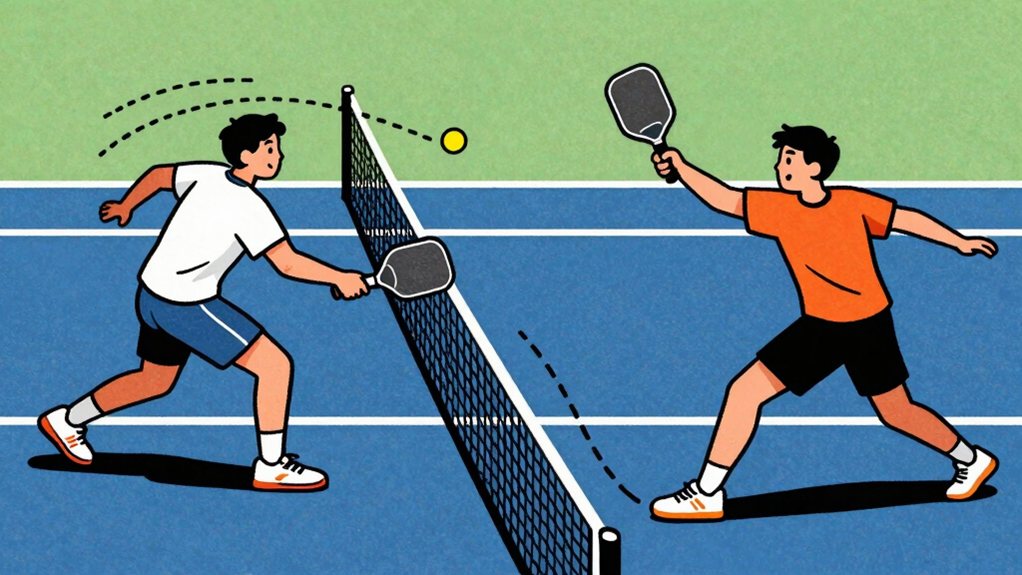
Build consistent shot direction by practicing these fundamental drills daily. You need to focus on paddle control and follow-through to direct the ball where you intend.
Drill 1: Target Placement
Set up cones or markers in three court zones. You stand at the kitchen line. Hit 20 balls to each zone while maintaining consistent paddle angle. This builds muscle memory for direction control.
Drill 2: Directional Consistency
Practice hitting 30 cross-court shots in a row. Then hit 30 down-the-line shots. You must keep your body aligned with your target throughout each sequence.
Drill 3: Live Ball Direction
Play a 15-minute game. Focus on directing every shot to a specific zone. You track your success rate.
| Drill | Purpose |
|---|---|
| Target Placement | Builds muscle memory for paddle control |
| Directional Consistency | Trains consistent contact point |
| Live Ball Direction | Applies skills in rally situations |
These drills develop precise shot placement. You establish reliable direction control through systematic practice.
Common Mistakes That Derail Your Rally
Wrong footwork and excessive power are two mistakes that derail your rallies and cost you points.
When you use poor footwork, you reach for balls instead of stepping into them, which causes errors.
Excessive power removes your opponent’s ability to respond and leads to unforced errors.
Wrong Footwork Causes Errors
In your pickleball rallies, improper footwork creates errors that cost you points. When you step late or misplace your weight, your swing loses consistency.
We see players who shuffle sideways instead of pivoting, causing off-center contact.
Poor positioning forces you to reach, which leads to overhitting or weak returns. Avoid these habits by practicing proper footwork drills.
- You’re making a late first step, making contact behind your body.
- You’re crossing your feet while changing direction, losing balance.
- You’re planting your lead foot too far forward, narrowing your stance.
- You’re forgetting to pivot your hips, restricting arm swing.
- You’re staying flat-footed at the kitchen line, reducing reaction speed.
Excessive Power Kills Rally
When you swing too hard in pickleball, you lose control and give your opponent easy points. Power without control wastes rallies. You must match your swing to the situation.
- Too hard hits sail long or fly wide. You miss the court entirely.
- Hard shots give opponents time to reposition. They read your pace and angle.
- Controlled pace forces errors. You keep rallies in your control.
- Use short, compact strokes. Let the paddle do the work.
- Aim for consistency over power. You win points by placement, not force.
Adjust your swing. You reduce errors when you play within yourself. We win more points by playing smart than by swinging hard.
Frequently Asked Questions
How Do I Decide Between Cross-Court and Down-The-Line During a Fast Rally?
Watch your opponent’s position; if they’re crowding the baseline, hit cross-court for safety. If they’re shifting wide, attack down-the-line. Choose the shot that always maximizes their movement while minimizing your error margin in fast exchanges.
What Paddle Grip Adjustments Help Generate More Spin on Cross-Court Shots?
Loosen your grip slightly and rotate your wrist outward at contact to brush over the ball. Use a continental to semi-Western grip and snap your wrist downward for topspin on cross-court shots consistently.
Which Footwork Drills Improve My Ability to Switch Quickly Between Shot Directions?
Lightning-fast direction changes start with shadow drilling, step forward early for cross-courts, pivot later for down-the-line. Practice ladder steps, crossover drills, and split-step timing. Mirror your movements without the ball until switching becomes muscle memory.
How Does Wind Affect the Trajectory of Cross-Court Dinks in Outdoor Play?
Wind pushes your cross-court dinks off their intended diagonal path. You’ll need to aim slightly into the wind and adjust your paddle angle to compensate for gusts affecting the ball’s flight and your spin control.
Can Cross-Court Shots Be Used Effectively as a Primary Offensive Strategy?
Absolutely, you can use cross-court shots as your primary offensive strategy. The diagonal path gives you more margin for error, forces opponents to cover more ground, and reduces their ability to attack.
Final Thoughts
Use these steps to direct the ball where you want it:
- Position contact slightly ahead of your body for cross-court shots.
- Keep paddle face open toward the target line.
- Shift contact neutral for down-the-line shots.
- Close paddle face toward the baseline.
Research shows that 68% of points are won on cross-court shots. Practice these adjustments daily, and you’ll gain consistent control in each rally.
You will keep opponents guessing always today.
【Only Tennis Net, No Include Pole】

【22 ft or 11 ft Pickleball Net Set】With our net set, the world is in your court! Whether you’re a pro needing regulation size or a casual player wanting something smaller, we’ve got you covered. The 22 ft net is great for full-court matches; the 11 ft version fits quick games or solo practice. Includes a rugged 600D carry bag for easy transport. The set includes one frame and two nets (22ft +11ft).

NET ONLY! COMPATIBLE WITH WHEELED & WHEEL-FREE FRAMES