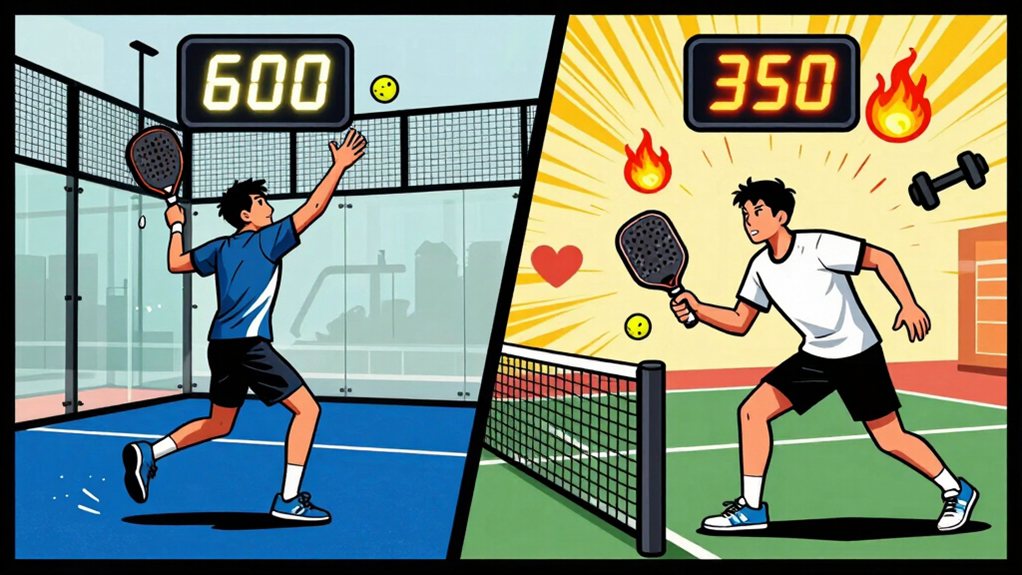
Padel burns 600–800 calories per hour, while pickleball burns 400–600 calories per hour. A 160-lb player burns about 350 calories in 30 minutes of intense pickleball. Padel courts are 20 m × 10 m (200 m²), larger than pickleball’s 13.4 m × 6.1 m (82 m²), so you’ll cover more ground.
Singles and competitive matches raise calorie burn. Pickleball is lower-impact and suits 3–4 sessions weekly; padel suits 2–3 sessions. Choose based on your intensity goals and recovery needs for lasting health benefits. For deeper insight, keep exploring the comparison.
How Many Calories Do Padel and Pickleball Burn?
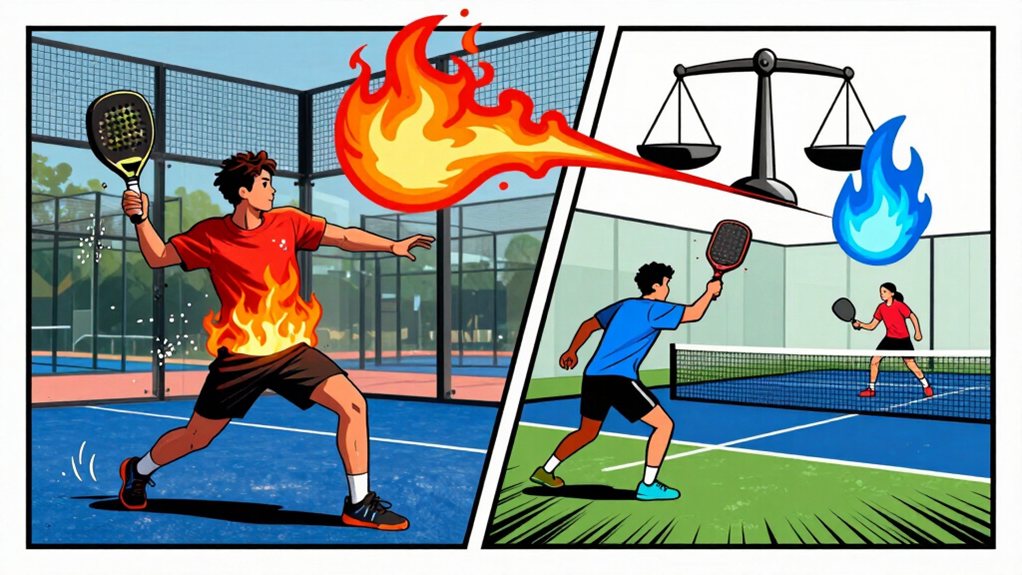
How many calories do you burn when playing padel versus pickleball? Let me break down the numbers for you.
- Padel burns 600-800 calories per hour in competitive play.
- Recreational padel burns 400-600 calories per hour.
- Competitive pickleball burns 400-600 calories per hour.
- Casual pickleball burns 300-500 calories per hour.
Here are specific estimates by body weight:
- A 160-pound person burns 350 calories in 30 minutes of intense pickleball.
- A 200-pound person burns 475 calories in 30 minutes of intense pickleball.
- Casual pickleball burns 250-350 calories per hour for a 160-pound person.
Pickleball keeps calorie burn efficient because 70% of play time is spent in the moderate-to-vigorous heart rate zone.
Padel delivers a more demanding workout.
Padel delivers a tougher workout, helping you burn significantly more calories than pickleball.
You burn notably more calories per session compared to pickleball.
Court Size and Movement: Why Padel Demands More
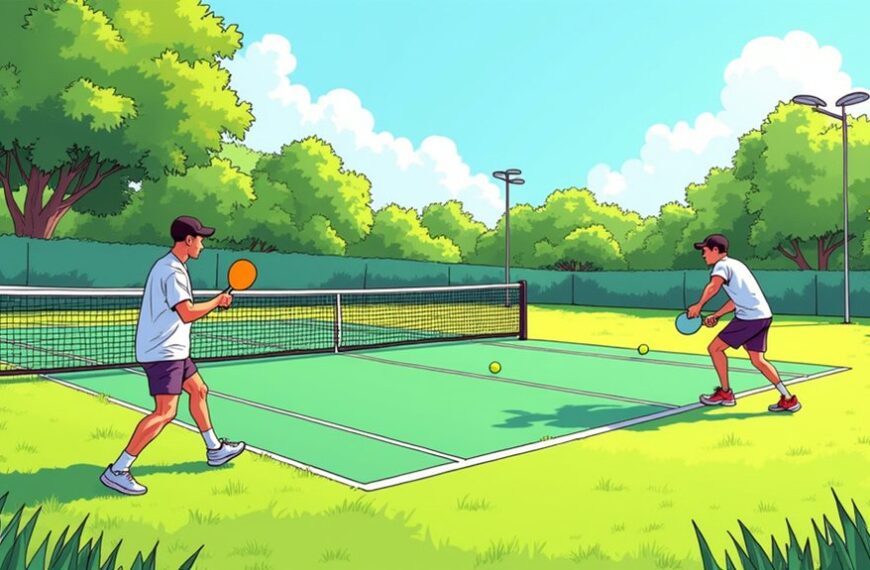
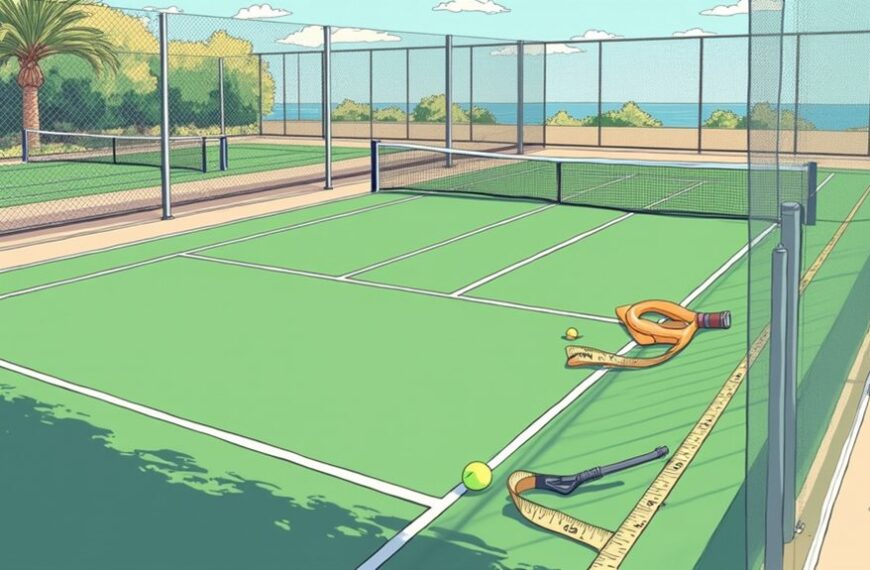
When you step onto a court, size matters. A padel court measures 20 meters by 10 meters, covering 200 square meters. A pickleball court measures 13.4 meters by 6.1 meters, covering 82 square meters.
The larger padel area forces you to run farther, change direction fast, and defend the corners. Use this quick reference to compare the two sports now.
| Metric | Value |
|---|---|
| Padel | 200 |
| Pickleball | 82 |
| Difference | 118 |
| Movement | Higher |
| Rally | Longer |
You’ll sprint more, change direction often, and reach the walls on each rally.
The larger area also means longer rallies, which keep your heart rate up.
That adds up to more calories burned per session today.
1. Check court size before you start. 2. Adjust your stride to cover the extra ground.
Play Style Impact on Calorie Expenditure
Your play style directly impacts the calories you burn. We break down how different approaches affect your workout:
- Singles play burns more than doubles. You cover more ground and rest less between points.
- Competitive matches push your intensity higher than casual games. You sprint more and recover less.
- Defensive players move constantly. You burn extra calories chasing balls near the walls.
- Aggressive net play increases heart rate. You engage more muscles during volleys.
- Match duration matters. Longer games accumulate more calories even at moderate intensity.
Your choice of play style determines whether you maximize or minimize calorie burn in each session.
Competitive vs. Recreational: Matching Intensity to Goals
If you want to maximize fitness results, choosing between competitive and recreational play shapes your outcomes substantially. You’ll pick a format that fits your schedule, fitness level, and desired calorie burn.
Competitive play demands quick sprints, full-court coverage, and short rest periods. Recreational play allows you to control pace, take breaks, and focus on technique. Match your goal: if you aim to lose weight quickly, choose competitive sessions; if you prefer low-impact activity, choose recreational sessions.
- Set a weekly session target of 3–4 matches regularly.
- Track heart rate to stay in the desired zone.
- We adjust intensity based on recovery and schedule.
| Play Type | Calories per Hour |
|---|---|
| Competitive Padel | 600-800 |
| Recreational Padel | 400-600 |
| Competitive Pickleball | 400-600 |
| Recreational Pickleball | 300-500 |
Review results and adjust plan.
Which Sport Fits Your Fitness Level and Accessibility Needs?
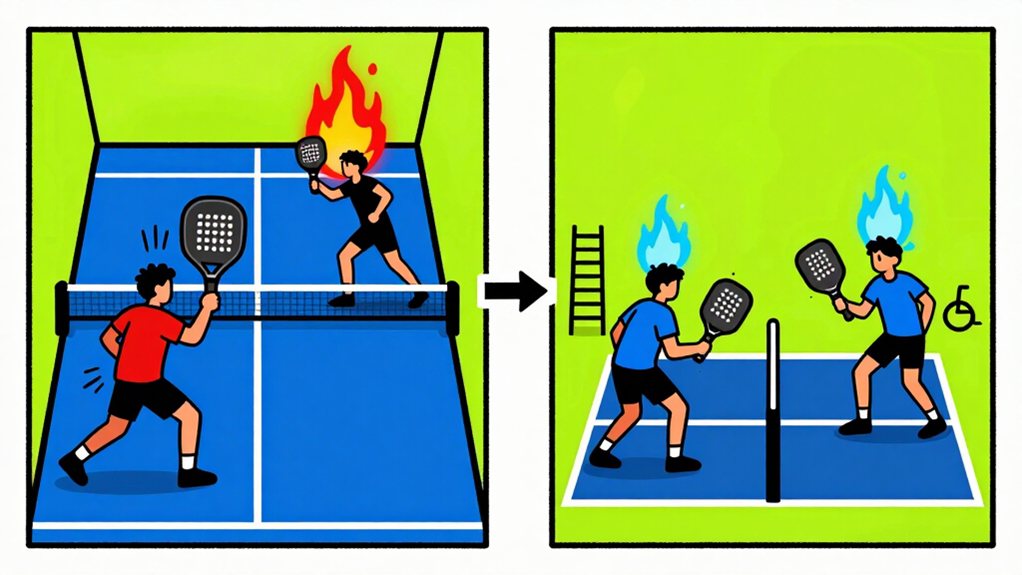
Your fitness level determines which sport suits you best. Consider your age, joint health, and how easily you can access courts in your area when choosing between padel and pickleball.
We’ll examine how each sport matches different fitness levels, accessibility needs, and joint safety considerations.
Fitness Level Suitability
Which sport matches your current fitness level and lifestyle needs? Your answer determines which game delivers results. Padel challenges athletes with explosive movements and high-intensity rallies. Pickleball welcomes beginners with its slower pace and forgiving mechanics.
Consider this comparison:
| Factor | Padel | Pickleball |
|---|---|---|
| Intensity | High | Low-Moderate |
| Skill Required | Moderate-High | Low-Moderate |
| Physical Demand | High | Moderate |
| Best For | Athletes | All Levels |
| Learning Curve | Steeper | Gentle |
We recommend padel if you possess athletic ability and seek intense workouts. Choose pickleball if you are new to sports or prefer gentler activity. Your fitness goals guide the selection process.
Accessibility For All Ages
Age and fitness level help determine which sport matches your abilities. Pickleball offers superior accessibility for beginners and older adults.
The smaller court (20 by 44 feet) requires less movement. The lower net height (34 inches at center) accommodates shorter players.
Paddles weigh less than 0.5 pounds, reducing arm fatigue. You can play at community centers nationwide. Padel demands more physical capacity. Courts measure 65 by 32 feet.
You must cover more ground during rallies. The sport grows rapidly among ages 30,50. Consider these factors:
- Your current fitness level
- Available court locations near you
- Budget for equipment and club fees
- Time commitment per session
Pickleball lets you start quickly with minimal equipment.
Joint Impact And Safety
Beyond accessibility, consider how each sport affects your joints and overall safety. Pickleball offers low-impact movement.
The court is smaller. You experience less strain on knees, hips, and ankles.
This makes it ideal for older adults or those recovering from injuries. Padel demands more physical exertion.
You jump, sprint, and change direction quickly. This increases joint stress.
The enclosed walls create extended rallies. Your knees and ankles work harder throughout play.
- Choose pickleball if you have joint concerns or prefer low-impact exercise.
- Choose padel if you seek higher intensity and can handle greater physical demands.
- Always warm up for 5-10 minutes before either sport.
- Wear supportive shoes designed for court sports.
- Stay hydrated during play.
Long-Term Consistency: Pickleball Sustainability vs. Padel Intensity
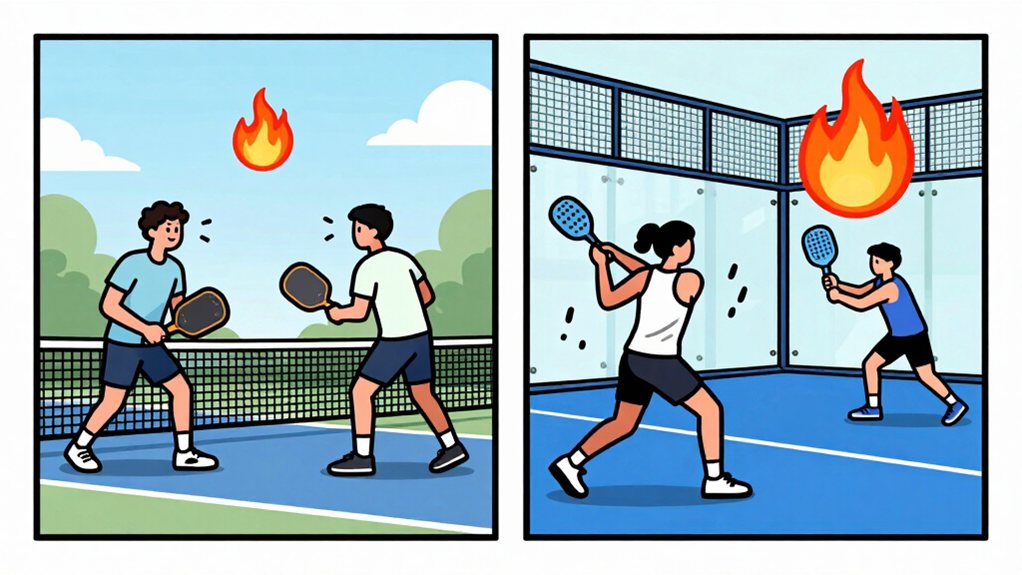
You can maintain a regular pickleball routine with less physical strain, making it easier to stay consistent over months and years. We also need to evaluate how padel’s high intensity may affect long-term participation and injury risk. Let’s look at how each sport supports lasting fitness.
– Sustained Pickleball Engagement:
- Play pickleball 2-3 times per week, and keep each session under 90 minutes.
- Listen to your body and rest if you feel pain.
– Padel Intensity Durability:
- Schedule padel 1-2 times per week, and include at least one rest day between sessions.
- Warm up for 5 minutes, and cool down for 5 minutes.
Sustained Pickleball Engagement
When you prioritize consistency over intensity, pickleball becomes the more sustainable choice for long-term fitness engagement. You maintain regular play easier because the lower impact nature protects your joints. The smaller court size means you cover less ground each session. Your body recovers faster between matches. You play more often without burnout risk.
- Weekly play frequency
- You can play 3-4 times per week comfortably
- Each session lasts 60-90 minutes
- Your muscles adapt gradually to the activity
- Accessibility benefits
- You need minimal equipment to start
- You find courts in most communities
- You adapt playing style as fitness levels change
This combination creates a sustainable fitness routine you maintain for years.
Padel Intensity Durability
Padel intensity creates a different long-term challenge. You sustain high-output sessions with less frequency. Your body needs more recovery time between padel matches.
- You can play pickleball 3-4 times per week comfortably.
- Padel limits you to 2-3 sessions weekly.
- Your joints experience more stress in padel.
- We recommend alternating padel with lower-impact activities.
Consistency matters most for fitness. You build sustainable habits with activities you can maintain. Your long-term success depends on regular activity, not only intensity.
The Bottom Line: Choosing Your Calorie-Burning Sport
If you want maximum calorie burn in each session, padel is the clear winner. A 160-pound player burns roughly 600,800 calories per hour in padel versus 400,600 calories in pickleball. Padel uses a larger court (20m × 10m), requires more lateral movement, and keeps balls in play longer due to enclosed walls.
- Choose padel if you:
- Seek high-intensity cardio
- Want full-court coverage
- Prefer athletic challenge
- Can handle nonstop movement
- Choose pickleball if you:
- Need low-impact exercise
- Want joint-friendly fitness
- Prioritize accessibility
- Prefer shorter rallies
Your goals determine the best fit. Padel delivers maximum burn per session.
Pickleball offers easier long-term incorporation. Consider your fitness level, joint health, and schedule before deciding.
Frequently Asked Questions
How Much Does It Cost to Play Padel Versus Pickleball?
Padel courts are rarer and cost more to access, you’ll typically pay $30-60 per hour for court rental. Pickleball is cheaper; public courts often cost $5-15, and paddles run $30-80 versus $100+ for padel rackets.
Which Sport Has a Lower Risk of Injury?
Pickleball poses a lower injury risk since you experience less impact on your joints, you move at a gentler pace, and you cover smaller distances compared to padel’s demanding sprints, jumps, and rapid direction changes.
How Long Does It Take to Become Proficient in Padel?
You’ll achieve basic proficiency in padel within 3-6 months of consistent play. Your prior racquet sports experience speeds up the learning curve. Reaching competitive level typically takes 1-2 years of dedicated training and match play.
Can I Play Padel or Pickleball if I Have Joint Pain?
You can play both sports with joint pain, but pickleball is gentler. Padel’s high-intensity movements may aggravate joint issues. Consult your doctor, modify your play, and use supportive equipment.
What Equipment Do I Need to Start Playing Each Sport?
You need a paddle and plastic ball for pickleball, plus court shoes. For padel, you need a solid paddle racket, padel balls, and court shoes. You can rent equipment to try both sports.
Final Thoughts
Based on our analysis, both padel and pickleball offer effective cardiovascular workouts. You burn approximately 400-500 calories per hour playing padel, compared to 250-350 calories per hour in pickleball. Your choice depends on accessibility and intensity preferences. If you seek higher calorie expenditure and enjoy longer rallies, padel suits you better. For lower impact and quicker games, pickleball works well. Both sports provide excellent options for maintaining fitness through play.