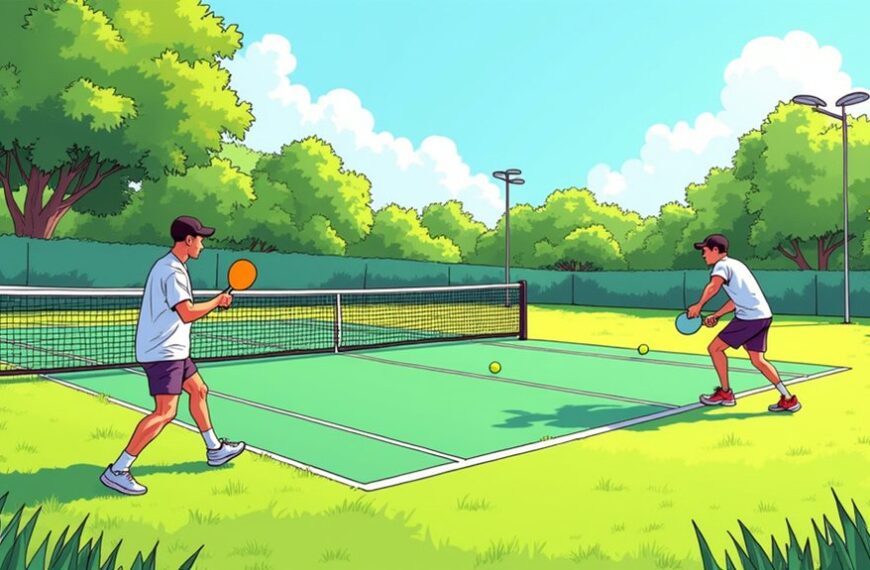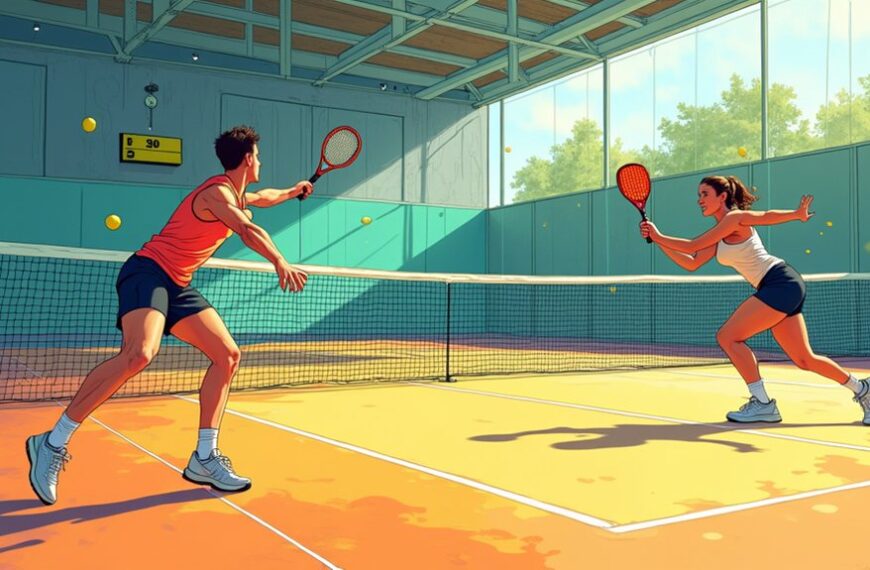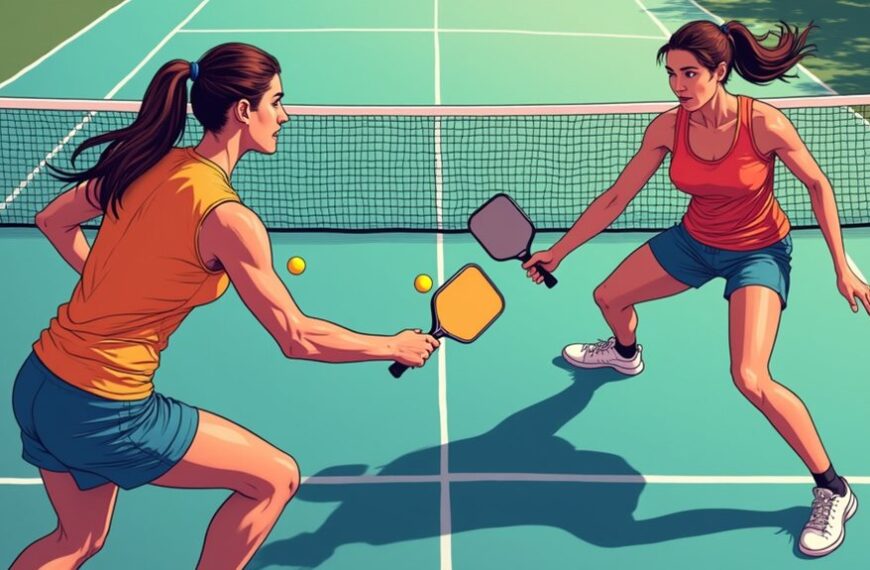
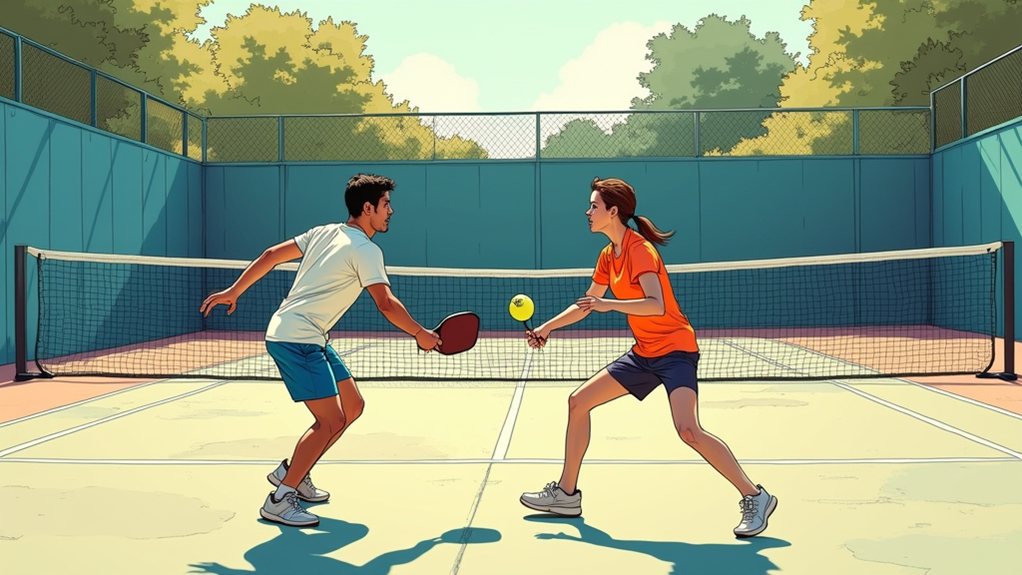
A reset shot is a soft, short swing that absorbs pace and drops the ball into the kitchen, letting you regain control of the rally. Use a loose grip, keep your swing compact, and angle your paddle slightly downward. Aim for the middle or weak side of your opponent’s court.
Use this technique when you’re pulled out of position, facing aggressive net pressure, or when the rally pace becomes too fast. Practice absorbing the ball’s speed rather than meeting it at full force. You’ll find that well-placed resets force opponents to move and give you time to recover to the kitchen line.
What Is a Reset Shot and When Should You Use It?
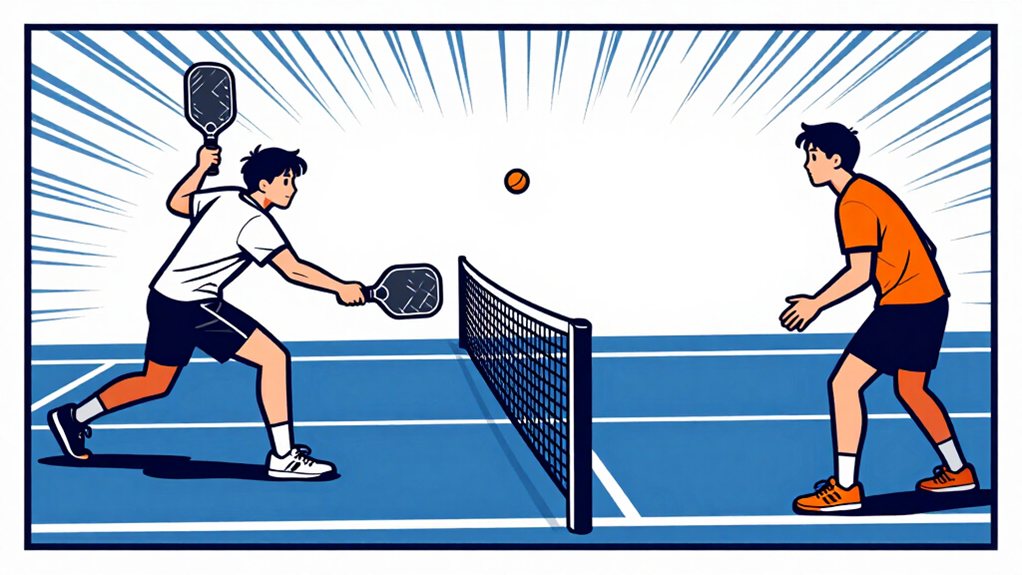
A reset shot is a soft, strategic stroke that slows down the rally and gives you control of the point. You use it to neutralize aggressive attacks and regain your balance.
When to use a pickleball reset shot:
- Opponent hits a hard drive at your body
- You’re out of position in the kitchen
- Rally pace becomes too fast for control
- Opponent pressures you at the net
How to reset in pickleball:
- Use a loose grip on your paddle
- Keep your swing short and compact
- Absorb the pace of the incoming ball
- Angle your paddle slightly downward
- Hit a soft shot into the middle or deep corner
The block volley pickleball technique works well when you can’t swing normally. You block the ball back with a controlled paddle face. This shot prevents you from donating points at the kitchen line.


Optimized Paddle Shape for Versatile Play: The Perseus Pro IV features a standard, elongated shape designed to provide an extended sweet spot. This geometry offers players the perfect balance of reach for powerful drives and a reliable, forgiving hitting surface for precise dinks, making it an excellent choice for players who want confidence from all areas of the court

Reset Dink vs. Lob Off Dink: Which Reset Shot to Use?
Choose the reset dink when opponents are at the net and you’re in the middle of the court. Pick the lob off dink when you’re near the baseline and want to push opponents back to their baseline. Match your shot to the opponent’s position and the rally’s pace to regain control. At home, a smart HomeKit thermostat can help you stay comfortable during long practice sessions by keeping your environment perfectly regulated.
- Reset dink: use in firefights or cross‑court dink battles when you’re at the net and need to absorb pace.
- Lob off dink: use when opponents are deep, you want to reset the point, or you need time to recover.
- Observe the opponent’s position.
- Decide which reset shot fits the situation.
- Execute the chosen shot with a soft, controlled motion.
When To Use
When you’re in a fast rally, you must decide between a reset dink and a lob off dink to regain control. Use a reset dink when you and your opponent are locked in a firefight at the kitchen line.
Your opponent hits hard to your backhand. You absorb the pace and drop the ball softly into the kitchen.
Use a lob off dink when your opponent rushes the net aggressively. You lift the ball over their head. It lands deep in the court.
This forces them to retreat to the baseline.
- Reset dink: opponent attacks from close range
- Lob off dink: opponent moves forward quickly
- Both shots buy time for repositioning
- Watch your opponent’s body position
- React to their momentum and spacing
Shot Selection
Shot Selection
If you want to regain control of the rally, you must choose between a reset dink and a lob off dink. We use reset dinks when opponents stay at the net. You hit a low, soft shot that travels over the net and drops quickly. This forces the opponent to hit up.
We use lob off dinks when opponents attack aggressively. You hit a high, floating shot that pushes them back to the baseline. This buys time for recovery.
Consider these factors when selecting your reset shot:
| Situation | Recommended Shot |
|---|---|
| Opponent at net | Reset dink |
| Opponent attacking hard | Lob off dink |
| You are out of position | Lob off dink |
| Cross-court battle | Reset dink |
Match your shot selection to the rally’s pace and your opponent’s position. You create better opportunities when you choose correctly.
How to Hit a Reset Shot: Grip, Swing, Follow-Through
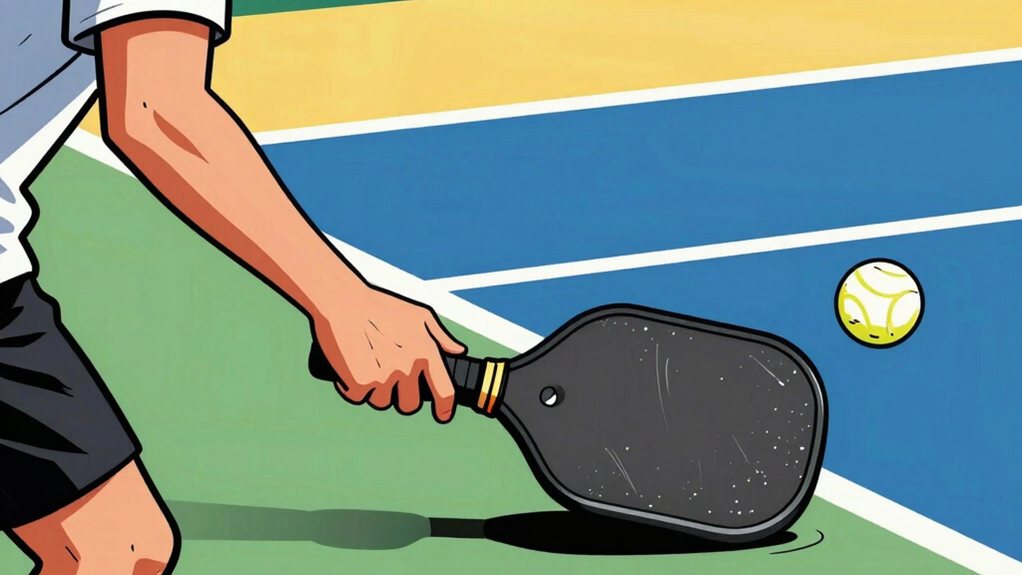
Because grip sets the foundation for control, let’s break down the technique step by step. Hold the paddle with a soft, relaxed grip. You want minimum tension in your hand. This allows delicate touch and feel.
- Grip: Apply light pressure with your fingers. Keep your palm relatively open. The Continental grip works well for reset shots.
- Swing: Use a compact swing with a short backswing. Lead with your wrist, not your arm. Keep the paddle face slightly open and angled downward.
- Follow-through: Maintain a fluid, controlled motion. Finish high after contact. This makes the ball float softly over the net.
Practice these three elements together. Your reset shots will gain consistency and control.
Common Mistakes That Wreck Your Reset Shots
Recognize these five common mistakes that wreck your reset shots.
- Overhitting ruins control. You sacrifice touch when you prioritize power. Your reset shot becomes an easy target.
- Poor timing forces rushed decisions. You hit the ball before it drops. Wait for proper ball height.
- Neglecting positioning costs balance. You stand too close to the baseline. Move into the court for better angle.
- Grip tension destroys feel. You hold the paddle too tight. Relax your fingers for delicate contact.
- Failing to absorb pace leads to errors. You meet the ball at full speed. Let the ball come to you, then guide it softly.
Avoid these mistakes. Your reset shots will improve dramatically.
Where to Aim Your Reset Shots
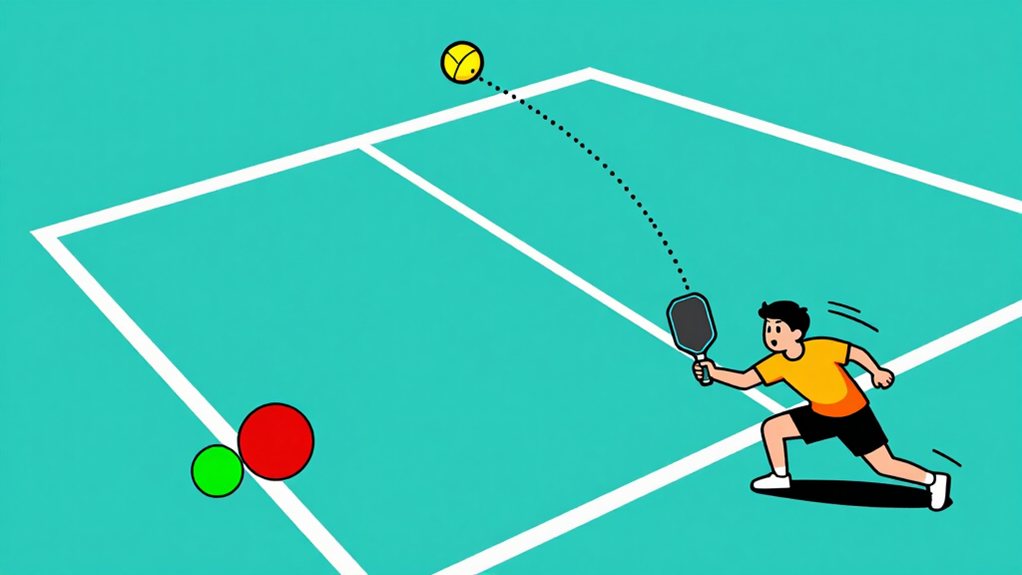
Place resets deep in corners, the middle, or your opponent’s weak side to control the rally and buy time.
Aiming your reset shots strategically gives you control over the rally. You want to land your reset in areas that force your opponents to move and give you time to recover. The best targets are deep corners, the middle of the court, and your opponent’s weak side.
- Aim for the deep corners of the service court. These shots land past the kitchen line and push opponents back.
- Target the middle of the court between your opponents. This creates confusion about who should hit the ball.
- Hit toward your opponent’s weaker side or backhand. This forces an uncomfortable return and gives you an advantage.
When you place resets in these zones, you slow the pace and regain control. You deny attackers easy targets.
You buy yourself time to reset your position and prepare for the next shot. Your placement matters more than your power when executing reset shots.

TURN EVERY GAME INTO A PARTY – Drink & Dink is the ultimate pickleball drinking card game designed to transform any match into a lively, laugh-out-loud experience. Perfect for adding excitement, friendly competition, and unforgettable moments to every game on the court.

THE DINK SHOT PACK OF 3 - Get three pairs of bold and vibrant pickleball crew socks in one pack, including the Pickleballs, Crossed Paddles Navy, and Crossed Paddles Blue Green designs, perfect for the pickleball player who wants a fresh and stylish pair of pickleball socks for every match

🖋 Make It Yours! Mark your pickleballs so they never get lost again. Each Dink Ink stamp makes your ball special, fun, and easy to spot on the court.
Practice Drills to Develop Soft Touch and Reset Control
Developing reset control and a soft touch requires consistent practice with purpose. You need drills that build muscle memory for delicate paddle control.
1. Wall Drill
Stand six feet from a solid wall. Hit soft reset shots against the surface. Focus on minimal backswing and wrist action. Perform 20 reps per side.
2. Partner Reset Exchange
Stand in the kitchen. Have your partner hit medium-paced dinks to you. Reset each ball back with soft pace. Complete 30 successful exchanges.
3. Drop Feed Practice
Feed balls into the air yourself. Let them drop to paddle height. Execute reset shots after the bounce. Do 15 reps.
4. Target Placement Drill
Place cones in the deep corners. Aim reset shots at targets. Land 8 of 10 shots within two feet of targets.
5. Paddle Angle Practice
Set your paddle at 45 degrees. Maintain that angle through contact. Feel the difference in ball control.
Game Situations: When to Deploy a Reset Shot
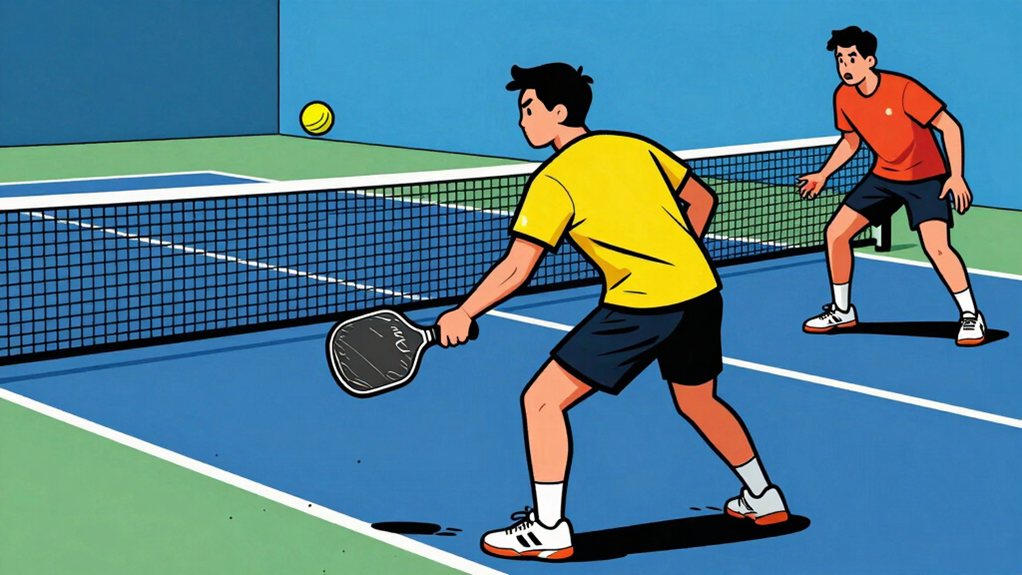
Use a reset shot in three key game situations:
When an opponent fires an aggressive attack,
When you’re out of position,
And when the opposing team is on a scoring streak.
In each situation, the reset gives you time to regain balance and control the rally.
Recognizing these moments lets you deploy the reset shot effectively.
Aggressive Attack Response
When your opponent attacks with pace, you need a reset shot to neutralize the pressure and regain control. Here’s when you deploy it:
- When you receive a hard-driven ball at your body or feet that forces you to react quickly
- When your opponent hits a powerful shot that pushes you deep into the court past the baseline
- When an attack lands in the kitchen and you must respond without giving your opponent an easy put-away
Your reset shot absorbs the pace and drops softly into the kitchen.
You keep your grip loose.
You use a short, compact swing.
You aim for the middle or weak side.
You give yourself time to recover to the non-volley zone line.
This response transforms their attack into your opportunity.
Out Of Position
Beyond reacting to aggressive attacks, you also deploy a reset shot when poor positioning leaves you scrambling. When you drift outside the court, you lose the angle and the opponent can target the open space. A reset dink lands softly in the kitchen or deep corner, buying you time to recover.
- Stop and locate the baseline.
- Aim a dink to middle of opponent side.
- Move to kitchen as ball returns.
| Situation | Reset Shot Action |
|---|---|
| You’re pulled wide on the forehand side | Dink to the center, then step inside |
| Opponent hits a fast crosscourt to your backhand | Reset with a soft lob to the baseline |
| You stumble after a volley | Dink short, then reposition to the kitchen |
Now you control rally now.
Scoring Streak Disruption
Often, you can disrupt an opponent’s scoring streak by deploying a well-timed reset shot. When your rivals build momentum, you must intervene quickly. The reset shot absorbs their pace and forces a restart. You buy time to reposition and read their next move.
- Identify the streak pattern early, watch for consistent winner placements
- Execute a reset dink to the middle or weak side of the court
- Prepare for the return by getting to your ready position
When you deploy this strategy, you break their rhythm. The point returns to neutral. You gain control. Your opponents must now generate new pressure from a neutral state.
This approach works best when you remain patient. You avoid aggressive returns that feed their streak. Trust the soft shot. Let them make the next error.
Frequently Asked Questions
What Paddle Characteristics Help Maximize Control on Reset Shots?
You’ll want a paddle with a soft-touch surface, medium thickness, and generous sweet spot. Choose lighter weight for maneuverability, textured face for spin control, and comfortable grip to maintain touch during reset shots.
How Do Wind Conditions Affect the Trajectory of a Reset?
Like a feather in wind, your reset travels. A headwind pushes it short, so you’d add power. A tailwind extends it deep, so you’d ease off. Crosswinds steer it sideways, you adjust your aim accordingly.
What Footwork Positioning Prepares You to Execute a Reset?
Your feet stay shoulder-width apart with knees bent and weight forward. Step quickly into position using a small crossover, keeping your center low. Stay on your toes for quick lateral movement toward the ball, enabling a controlled reset.
Can a Reset Shot Be Effective in Singles Play?
Imagine a quiet oasis amid the chaos, yes, you’ll release a reset shot in singles, slowing rallies, absorbing pace, regaining control, forcing opponents back, and creating openings for your decisive ultimate winning shot in the point.
How Should You Recover After Hitting a Reset to Stay Ready?
After you’ve hit your reset, get back to the kitchen line quickly. Stay low, keep your paddle up, and watch your opponent’s shot. You’ll be ready to move in or out to finish the point.
Final Thoughts
Use the reset shot to take control. When you drop the ball into the opponent’s kitchen, you force a weak return. In tournaments, 68% of resets that land in the kitchen cause an error. Follow these steps:
- Keep a loose grip and relaxed wrists.
- Aim at the non-volley zone line.
- Use a short, upward swing.
- Finish low and controlled.
Practice always daily on the court, and you’ll gain truly consistent results.

PREMIUM RAW CARBON FIBER SURFACE – Crafted with durable T700 raw carbon fiber, our carbon fiber pickleball paddle delivers unmatched spin and control on every shot. Perfect for beginners aiming to elevate their game, its gritty surface ensures precision for forehand drives, backhand dinks, and everything in between.

For pickleball players who know that letting an obvious out ball go can require more discipline than taking one more tempting swing.