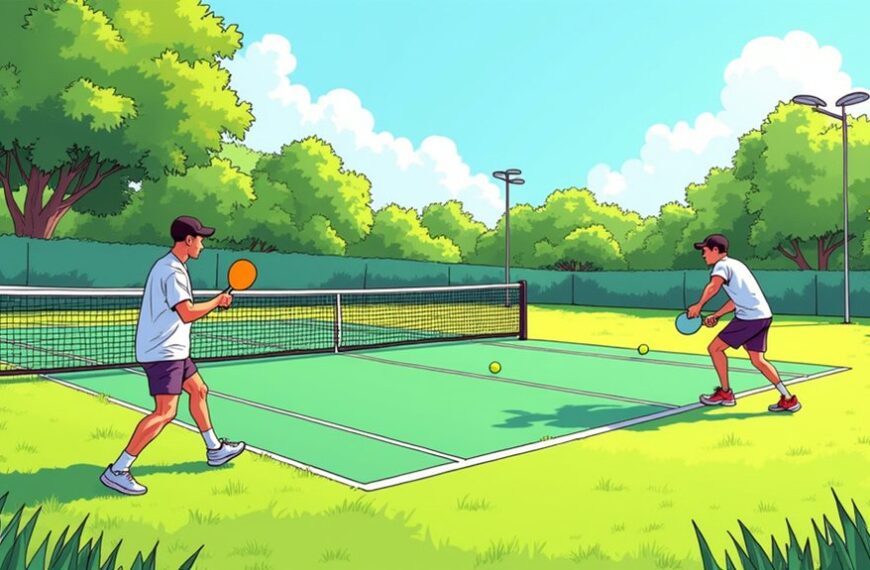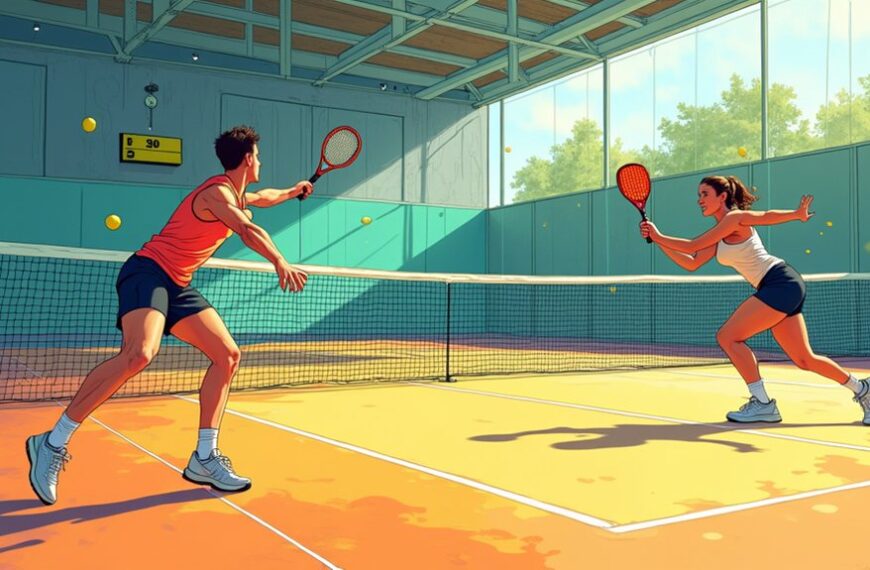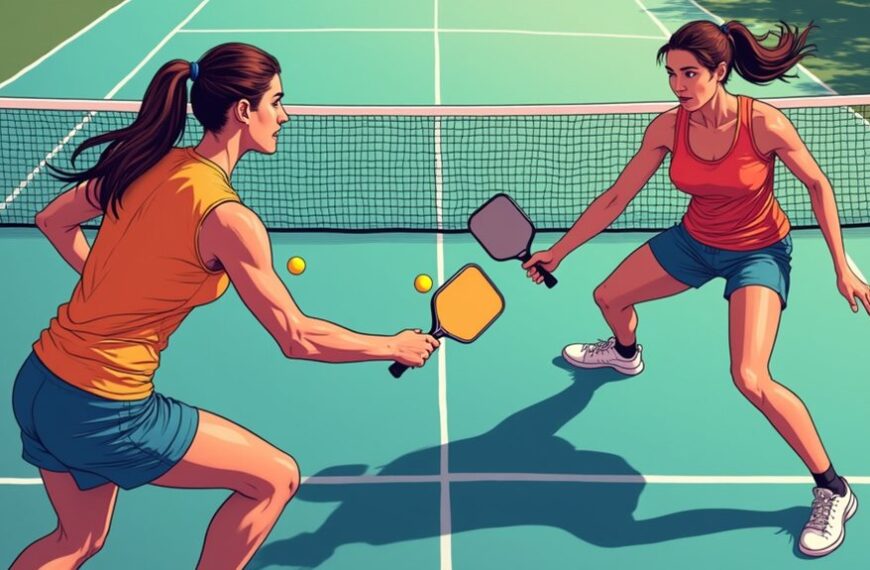
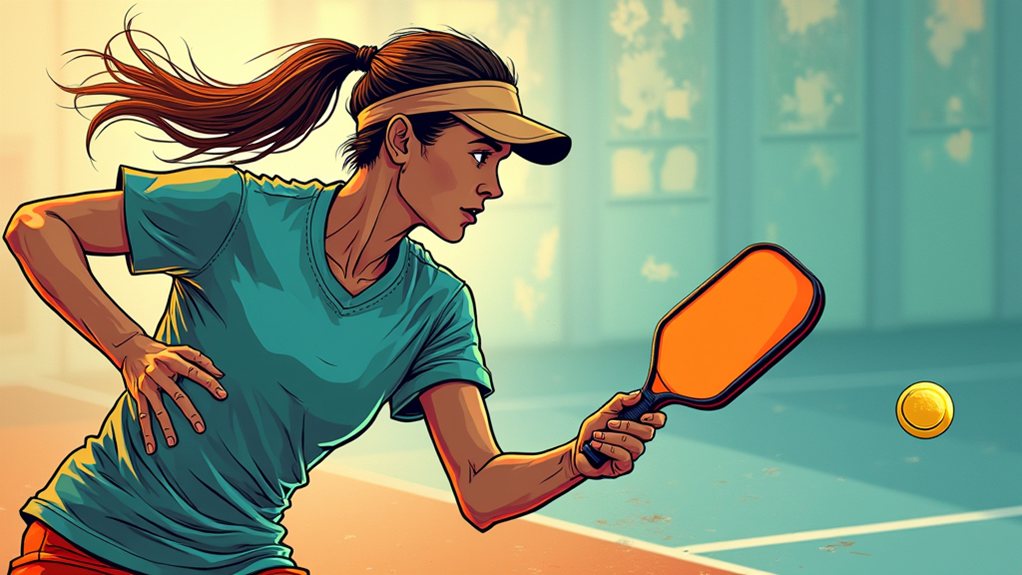
Master the wrist action drill for pickleball power by starting with a loose continental grip. Drop your paddle below ball level using gravity, then lay your wrist back during preparation to create passive lag. Keep your grip relaxed as you rotate your hips and shoulders forward. Accelerate through contact with the paddle butt cap leading.
Contact the ball about a forearm’s length in front of your body. Practice 20 shadow swings daily to build muscle memory. Avoid a death grip, forced wrist snaps, or contact too close to your body, as these kill the natural whip mechanics. Apply these steps consistently to release more power.
Grip and Preparation: The Foundation of Wrist Lag
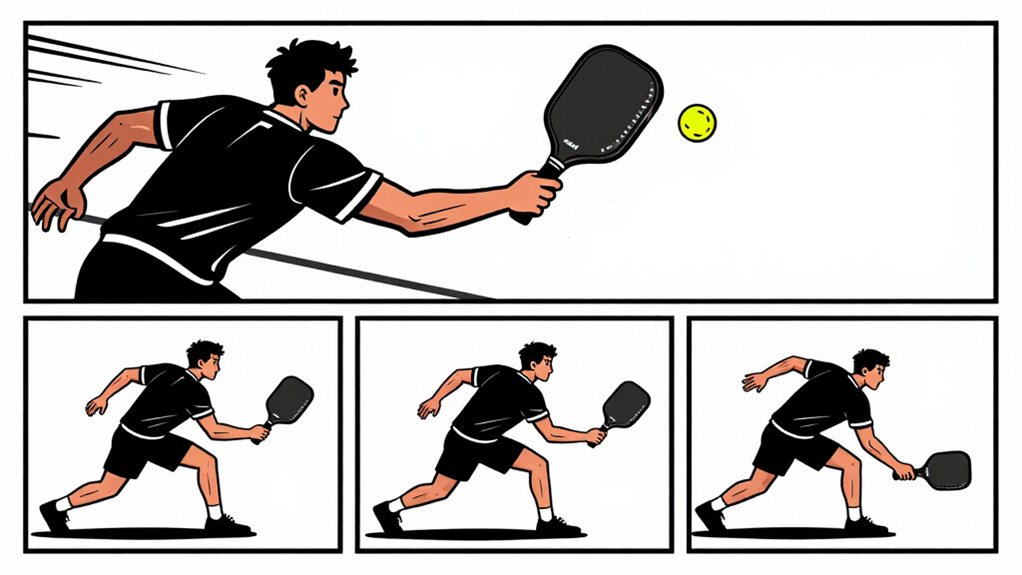
When you master the grip and preparation phase, wrist lag happens automatically. Your pickleball power technique depends on a loose continental grip. Keep your wrist loose throughout preparation.
Let gravity drop your paddle below ball level. This enables the natural wrist action in pickleball that creates power.
Follow these steps:
- Hold the paddle with a continental grip
- Keep your grip loose during preparation
- Drop the paddle below the ball level
- Keep your wrist relaxed and ready
Avoid actively snapping your wrist. The pickleball wrist snap occurs naturally when you prepare correctly. Tension in your grip prevents power generation.
Your arm must remain loose to create the whipping motion. The paddle butt cap leads through contact.

Comfort & Efficiency: The patented hexagonal design expands the contact surface between hand and handle, increasing grip efficiency by up to 14%. It allows a secure hold with less effort and tension, helping players maintain control and comfort during every shot.

Comfort & Performance: The unique hexagonal design expands the contact surface between hand and handle, increasing grip efficiency by up to 14%. This allows you to hold the paddle with less effort, reducing finger and wrist strain for a smoother, more controlled swing.

2 PACK REPLACEMENT GRIP TAPE FOR PICKLEBALL PADDLES: Easily regrip your pickle ball paddle & make it feel brand new or upgrade from the handle wrap your racket came with; Comes with everything you need to change your pickleball or tennis racket grip tape
Body Positioning for Maximum Whip and Power
Body positioning relative to the ball directly impacts the effectiveness of wrist lag. You must position yourself so the ball arrives about a forearm’s length in front of your body. This gives you time to generate the whip effect.
Position the ball a forearm’s length in front, letting you harness wrist lag for a powerful whip.
- Stand with your feet shoulder-width apart.
- Keep your knees slightly bent.
- Shift your weight to your back foot during preparation.
- Rotate your hips and shoulders as you swing forward.
- Contact the ball in front of your front leg.
- Follow through across your body after contact.
Your body positioning directly affects wrist lag creation. Good positioning allows you to generate maximum power with minimal effort.
The Wrist Action Drill in 3 Simple Steps
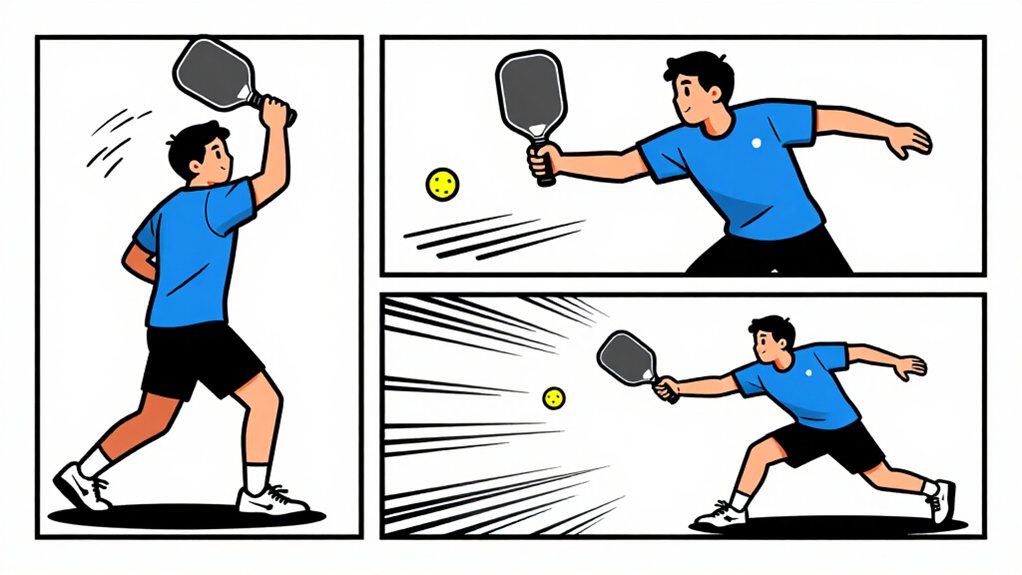
Master the wrist action drill by following these three steps. This drill builds wrist lag and generates power without requiring a partner.
Step 1: Drop the paddle below ball level. Keep your grip loose. Let gravity position the paddle naturally.
Step 2: Lay the wrist back during preparation. Allow the wrist to lag behind the acceleration.
Step 3: Whip the paddle forward toward contact. Let the paddle butt cap lead the motion. Accelerate quickly through the ball.
Focus on passive lag creation. Don’t actively snap the wrist.
Let the natural whipping action produce power. Repeat the drill until the motion feels automatic.
How to Practice Wrist Lag Without a Ball
Practice wrist lag without a ball using two simple drills. For the shadow swing drill, take your paddle back in preparation and accelerate forward while letting your wrist naturally lag behind the paddle.
For the loose grip exercise, hold your paddle loosely, then switch between a tight squeeze and a loose release to train your wrist to stay relaxed.
Shadow Swing Drill
If you want to develop proper wrist lag, the shadow swing drill lets you practice the motion without a ball. Stand in your ready position. Hold the paddle with a continental grip. Drop the paddle below ball level by relaxing your grip and letting gravity work.
Swing the paddle forward as if hitting a ball. Focus on keeping your wrist loose during the swing. Allow the wrist to lag behind the paddle face. Practice 20 repetitions daily. Watch your reflection in a mirror to check form.
| Focus Area | Action | Key Detail |
|---|---|---|
| Grip | Loose hold | Relax fingers |
| Setup | Drop paddle | Below ball level |
| Swing | Accelerate | Let wrist lag |
Loose Grip Exercise
One effective way to develop wrist lag is the loose grip exercise. This drill teaches your hand and wrist to stay relaxed during preparation.
Stand in your ready position. Hold your paddle with your dominant hand. Keep your grip pressure light, like holding a small bird. Drop the paddle head below your wrist level.
Let gravity do the work. Your wrist should naturally lay back. Count to three slowly. Then accelerate the paddle forward quickly. Focus on keeping fingers loose throughout the motion.
Repeat this motion ten times. Notice how the paddle whips through the air when you stay relaxed. This creates the wrist lag you need for power. Just as smart indoor air quality monitors help you track invisible environmental factors in your home, monitoring the subtle details of your grip and wrist position can reveal hidden opportunities to improve your game.
Key points:
- Maintain loose grip throughout entire swing
- Allow paddle to drop below ball level during preparation
- Accelerate quickly through contact point
Applying Wrist Lag to Different Shot Types
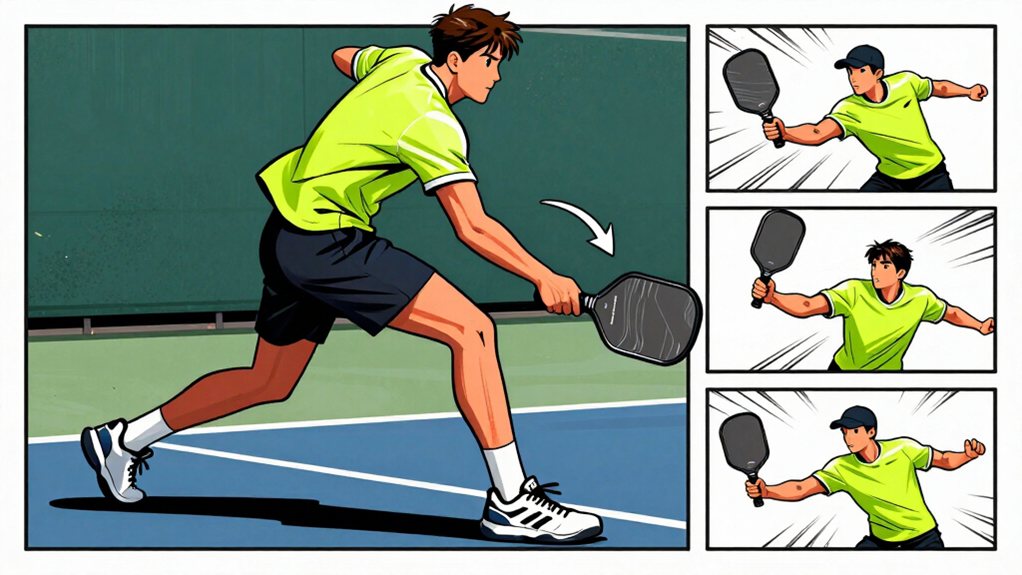
When you apply wrist lag to different shot types, the core mechanics stay consistent while your preparation and contact points adapt to each situation.
- Serve: Drop the paddle below ball level. Let gravity set the lag. Lead with the paddle butt cap. Drive your hips forward through contact.
- Return: Prepare early with a loose grip. Position the paddle above ball height. Wait for late contact. Whip the paddle through the ball.
- Drive: Keep your wrist loose throughout. Start the paddle back. Accelerate forward. Contact the ball a forearm’s length in front of your body.
- Speedup: Use a continental grip. Keep your wrist relaxed. Brush up on the ball. Create topspin and power.
The key remains the same across all shots: maintain a loose grip, allow natural lag, and let your body generate the speed.
Common Mistakes That Kill Your Wrist Lag
You kill your wrist lag when you make three common mistakes. First, you hold the paddle with a death grip instead of keeping your fingers loose. Second, you contact the ball too late, which removes the time needed for the wrist to lag and snap. Third, you actively snap your wrist toward the ball instead of letting it happen naturally.

Master Dinks: By limiting the range of backwards wrist flexion, this aid keeps your wrist in the proper position for consistent dinks and accurate drop shots. Master your swing mechanics, improve control, and boost confidence in every game.

Portable Score Tracking for On-the-Go Use:This golf score counter features a compact, portable design that you can carry with you anywhere, making it easy to keep score for cricket, tennis, and other matches anytime. It’s the perfect tool for athletes, scorekeepers, and coaches alike.

OFFICIAL PADDLE SPONSOR OF WORLD #1 PICKLEBALL PLAYER BEN JOHNS & THE PPA TOUR: An innovator & global leader in table tennis for 70+ years, JOOLA teams up with Ben Johns to create a new line of pickleball equipment that will forever change the game.
Tight Grip Errors
Among the most damaging mistakes that destroy wrist lag is gripping the paddle too tightly throughout your swing. You cut off your power source when you squeeze hard during preparation. Your wrist can’t lag when your grip is tight. The paddle stays dead in your hand.
You lose the whipping action that creates speed.
- Keep your grip loose until contact.
- Imagine holding a small bird. Don’t crush it.
- Check your grip pressure before each shot.
- Relax your fingers completely during the backswing.
- Squeeze only at the moment of contact.
Tension in your forearm eliminates the natural wrist lag you need. You generate power with a relaxed grip. Your paddle accelerates faster when you release tension. Practice with a loose grip on every shot.
Late Contact Timing
A tight grip isn’t the only way to lose wrist lag power. Late contact timing kills your power potential by eliminating the space your wrist needs to accelerate through the ball.
The Problem:
- Contact too close to your body removes the acceleration distance
- Your wrist can’t generate maximum lag without room to move
- Power bleeds away before impact
The Solution:
- Position yourself so the ball arrives a forearm’s length away
- Let your paddle build speed toward the ball
- Make contact in front of your body, not at your side
Correct contact placement gives your wrist the time it needs to lag naturally and snap through the shot with full power.
Your wrist needs space to generate maximum power through natural lag and snap mechanics.
Contact positioning directly impacts energy transfer, requiring precise body placement to optimize wrist movement and power generation.
The key is maintaining optimal distance and allowing the wrist to accelerate naturally through the shot.
Forced Wrist Snap
When you actively snap your wrist toward the ball, you interrupt the natural lag mechanics that generate power. This forced snap eliminates the whipping action that creates speed and spin. You must allow the wrist to lag passively behind the paddle’s acceleration. Active snapping causes inconsistent contact points.
Your timing becomes unpredictable. You lose power. You sacrifice accuracy. Your shots feel stiff and lack depth.
| Forced Snap | Natural Lag |
|---|---|
| Active motion | Passive motion |
| Kills power | Creates power |
| Inconsistent contact | Consistent contact |
| Stiff feel | Whip feel |
Remember: You control the paddle with a loose grip. Let the paddle do the work. The wrist snaps automatically when your preparation is correct. We focus on letting the wrist lag, not forcing it. Trust the mechanics.
Why Your Wrist Lag Isn’t Working?
Additional factors include:
- Upper body tension prevents natural wrist mechanics
- Stiff wrist positioning reduces acceleration capacity
- Grip tightness directly inhibits power creation
You must maintain loose grip pressure, allow natural wrist lag to occur through proper preparation, and assure contact happens approximately a forearm’s length in front of your body.
Quick Fixes for Wrist Lag Problems
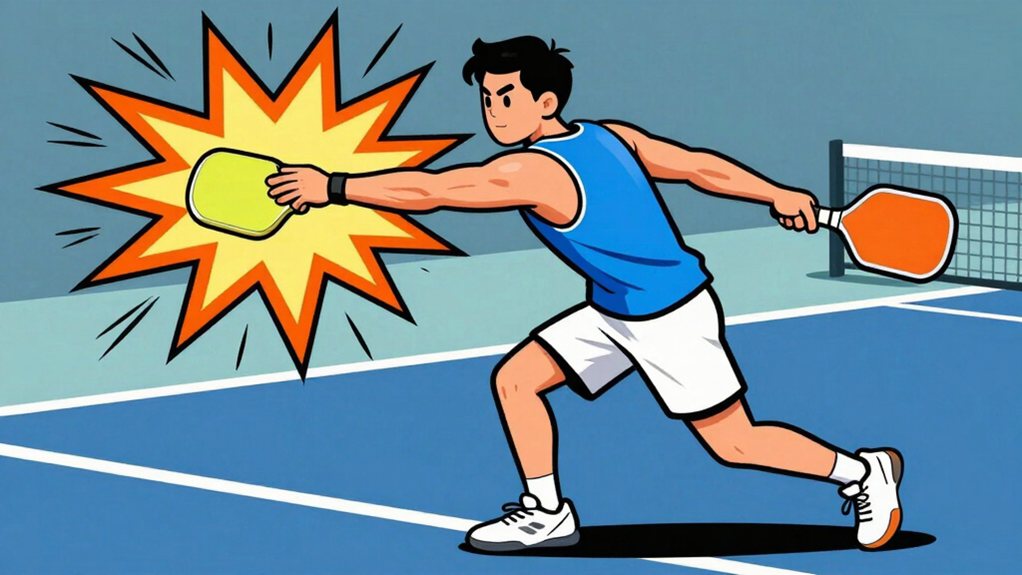
Through three key adjustments, you can fix wrist lag problems quickly.
- Loosen your grip. A tight grip prevents natural wrist movement. Hold the paddle loosely during preparation. Let your wrist relax completely.
- Contact the ball earlier. Late contact eliminates wrist lag time. Hit the ball approximately a forearm’s length in front of your body. This positioning allows the whip action to develop.
- Drop the paddle below ball level. Gravity assists the lag motion. Let the paddle fall naturally. Then accelerate upward through contact.
These three changes create immediate results.
Practice each adjustment separately.
Then combine them into one fluid motion. Your wrist will now generate power automatically.
Frequently Asked Questions
Can Wrist Lag Improve Shot Control as Well as Power?
Yes, wrist lag improves your shot control and power. You generate a natural whipping motion through loose grip and proper preparation, which creates both increased power and improved directional accuracy on all your shots.
What Paddle Weight Is Ideal for Practicing Wrist Lag?
Light paddles let loose wrists leverage lag, and you’ll feel your arm swing freely while you develop preparation and controlled acceleration for maximum power and spin generation across every shot in your game with confidence.
How Long Does It Typically Take to Develop Effective Wrist Lag?
Most players develop effective wrist lag within 4-6 weeks of consistent practice. You’ll achieve natural wrist lag faster by practicing your loose grip and preparation mechanics daily during every shot you take.
Is Wrist Lag Beneficial for Defensive or Blocking Shots?
Wrist lag primarily benefits offensive shots where you’re generating power. For defensive blocks, you want a stable, controlled paddle position with a relaxed grip to absorb pace, not the whipping lag action used on drives.
Does Using Wrist Lag Increase the Risk of Wrist Injury?
Wrist lag actually protects your wrist from injury when performed correctly. You avoid strain by maintaining a loose grip, allowing natural momentum to develop, and contacting the ball in front of your body.
Final Thoughts
1. Grip the paddle with a continental grip, keep your wrist loose, and keep your elbows close to your body.
2. Load the wrist by pulling the paddle back, let the lag form, and prepare to snap.
3. Snap the wrist forward at contact, follow through low, and finish with a quick recovery.
Practice this sequence 10 times daily, and we’ll see you gain power without extra effort.
4. Keep weight forward, shift shoulders, and keep paddle face square.

🦾【 Build Stronger Hands & Forearms 】Our finger grip strengthener is designed to improve finger dexterity, strengthen hands, wrists, and forearms. The textured, ergonomic ball ensures a secure, non-slip grip for effective training.

𝟵-𝗶𝗻-𝟭 𝗚𝗿𝗶𝗽 𝗦𝘁𝗿𝗲𝗻𝗴𝘁𝗵 𝗧𝗿𝗮𝗶𝗻𝗲𝗿 𝗞𝗶𝘁 : Includes 2 dual-resistance forearm strengthener, 3 finger stretchers, 2 egg-shaped hand training balls, and 2 PU stress balls for adults—ideal for strength training, recovery, and stress relief.

【 Multi directional Resistance 】 Adopting a multi-directional resistance design, it allows you to experience training of multiple muscle groups in the forearm during the training process. Unlike traditional one-way grip trainers, it allows you to change the grip angle, more accurately exercise the hand and forearm muscles, help improve grip strength, and shape clearer forearm contours.