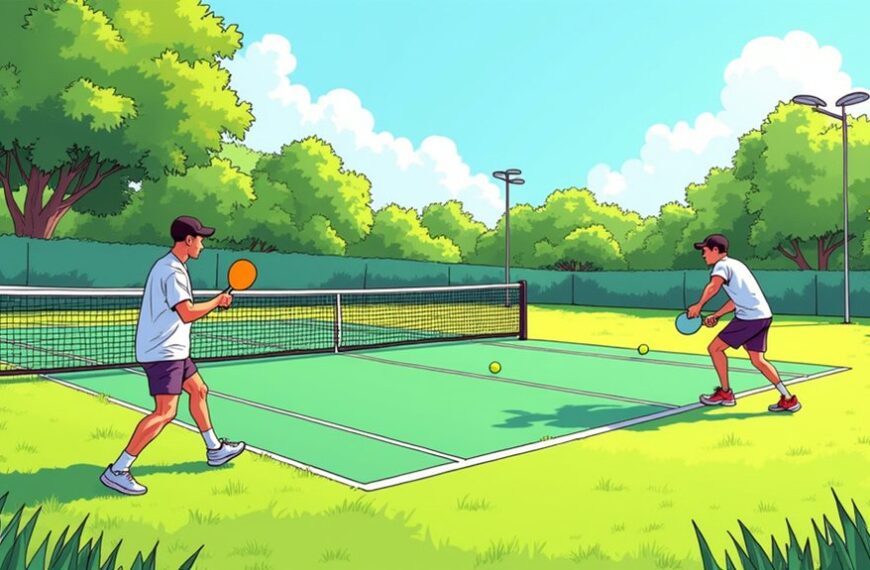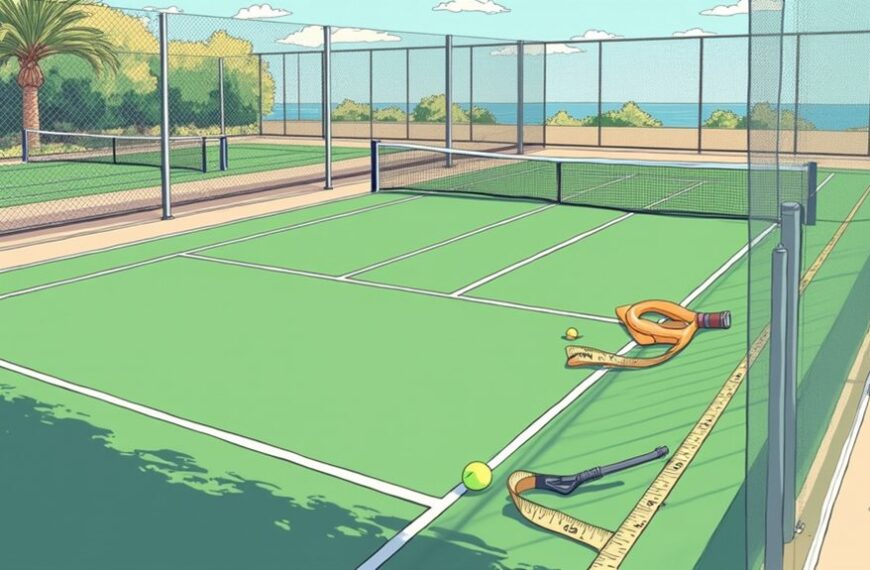

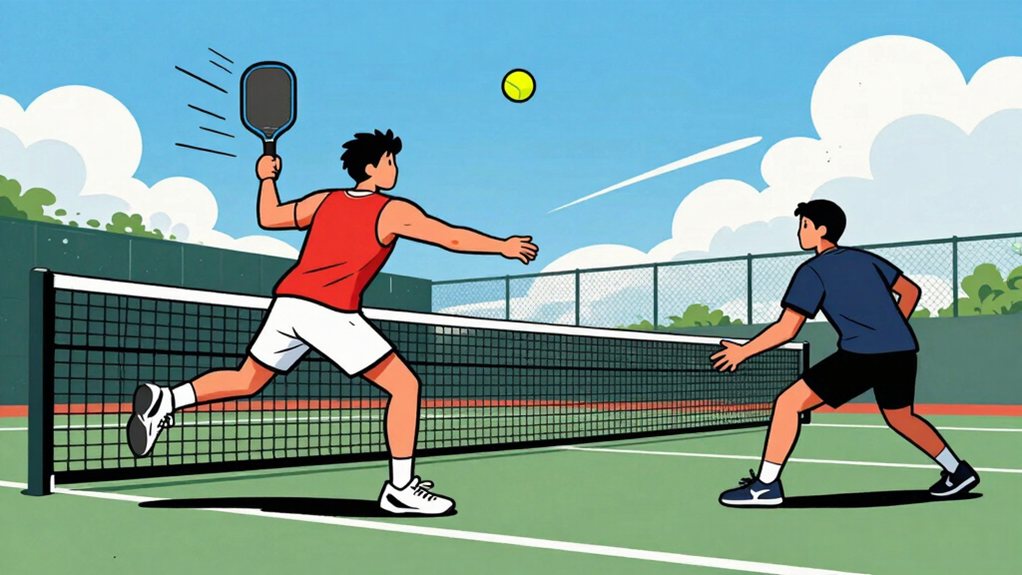
An Erne is an offensive volley you strike from outside the kitchen. Wait until opponent contacts ball. Sprint past post, stay outside kitchen line. Jump, hit ball in air, land with both feet outside kitchen.
Keep both feet outside non-volley zone at contact and landing, or shot is faulted. This gives you a higher, earlier hitting point and forces opponents to react. Practice the Erne, and you’ll see your net game improve.
What Is an Erne in Pickleball?
What Is an Erne in Pickleball?
An Erne is an advanced pickleball shot that gives you a powerful offensive option at the net. It’s a volley you strike while positioned outside the non-volley zone (kitchen).
An Erne is an advanced pickleball shot named after Erne Perry that allows you to legally volley from outside the non-volley zone.
Key facts:
- Named after Erne Perry, who popularized the shot in competitive play
- Allows you to attack the ball earlier and higher than opponents expect
- Creates surprise by cutting off space
Legal requirements:
- Both feet must stay outside the NVZ when you strike the ball
- Neither foot can touch the kitchen or its lines at contact or landing
- The shot is legal under USA Pickleball rules when performed correctly
Strategic advantages:
- Shortens opponent reaction time
- Opens steep angle shots
- Repositions you for aggressive net play
- Works well against down-the-line shots near the sideline
Common variations:
- Jump over the kitchen corners and land outside the sideline
- Run around the kitchen and hit while standing completely outside
- Contact the ball mid-air with feet outside the NVZ
In doubles, the Erne is especially disruptive because it exploits the net-focused strategy where players target opponents’ feet and avoid lifting the ball high, making a sudden high contact point outside the kitchen difficult to defend.
How to Execute an Erne
To execute an Erne, you jump over the kitchen and reestablish your feet outside the non-volley zone before hitting the ball.
Wait until your opponent contacts the ball, then step laterally, push off, and leap over the kitchen line.
Make sure both feet land completely outside the NVZ and sideline before you strike the ball.
Jump Over Kitchen
When you want to execute a jump over kitchen Erne, you must first wait for your opponent to hit or be about to hit the ball toward the sideline.
Jump Over Kitchen Steps:
- Watch the ball. Wait until your opponent commits to the shot.
- Move laterally past the post. Stay outside the sideline.
- Push off with your inside foot. Jump toward the ball.
- Contact the ball while airborne. Keep your body facing the net.
- Land with both feet outside the non-volley zone. Both feet must be completely beyond the kitchen line.
Key Mechanics:
| Action | Requirement |
|---|---|
| Jump | Lateral, not vertical |
| Contact | While airborne |
| Landing | Both feet outside NVZ |
| Timing | Before ball bounces |
| Position | Beyond sideline |
Your feet must never touch the kitchen during contact or landing. Touching the non-volley zone results in a fault. The shot works best when opponents hit near the sideline.
Reestablish Feet
Running through the kitchen works as an alternative method when jumping feels too risky. You plant your back foot outside the non-volley zone before contacting the ball.
Both feet must reestablish completely beyond the kitchen line. Your front foot lands first, followed by your back foot. Keep your weight balanced over your feet. Avoid dragging your back foot through the kitchen. You can’t strike the ball while any part of your foot touches the NVZ. Wait until your feet are set outside the zone. Practice this sequence:
- Approach the kitchen line
- Step through the NVZ
- Plant both feet outside
- Swing and contact the ball
- Land outside the kitchen
This method provides control when jumping feels too risky.
What Are the Rules for a Legal Erne in Pickleball?
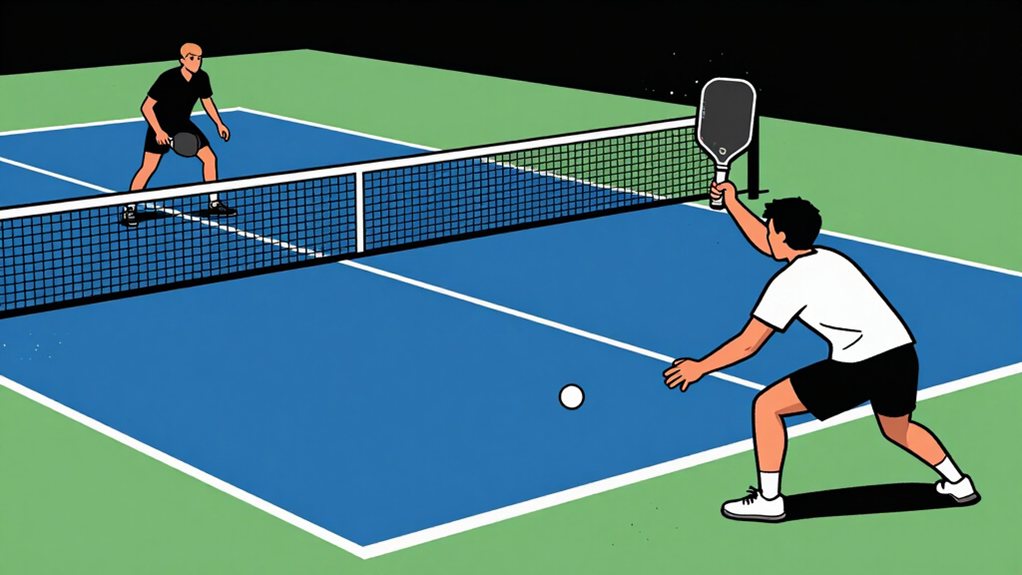
Understanding the rules for a legal Erne starts with where your feet are positioned. You must always keep both feet outside the non-volley zone (the kitchen) when you strike the ball. Neither foot may touch the kitchen line or floor at the moment of contact, nor after you ever land.
- Both feet must be completely outside the kitchen before you hit.
- If you jump, you can’t touch the kitchen at any point during the jump or landing.
- You may run through the kitchen, but you must truly re-establish both feet outside before striking.
- The ball must be volleyed; it’s a ground stroke inside kitchen that’s illegal for an Erne.
- Feet always out of kitchen.
- No kitchen line contact.
- We re-establish outside before each volley.
Why the Erne Gives You a Competitive Edge
Now that you know the rules for a legal Erne, let’s examine how this shot gives you a competitive edge.
- The shot reduces opponent reaction time.
- The shot shortens opponent reaction time and takes ball early close to net.
- The shot creates surprising steep angles.
- The shot jams ball straight at opponents.
- The shot repositions you outside kitchen to volley dinks without violating NVZ rule.
- The shot gives aggressive way to score or pressure.
- It shortens opponent reaction time.
- It shortens opponent reaction time and surprises.
- It takes ball early close to net.
- It jams ball straight at opponents.
- It repositions you outside kitchen to volley dinks without violating NVZ rule.
- It gives aggressive way to score or pressure.
- It adds pressure opponents now.
Where Did the Erne Come From?
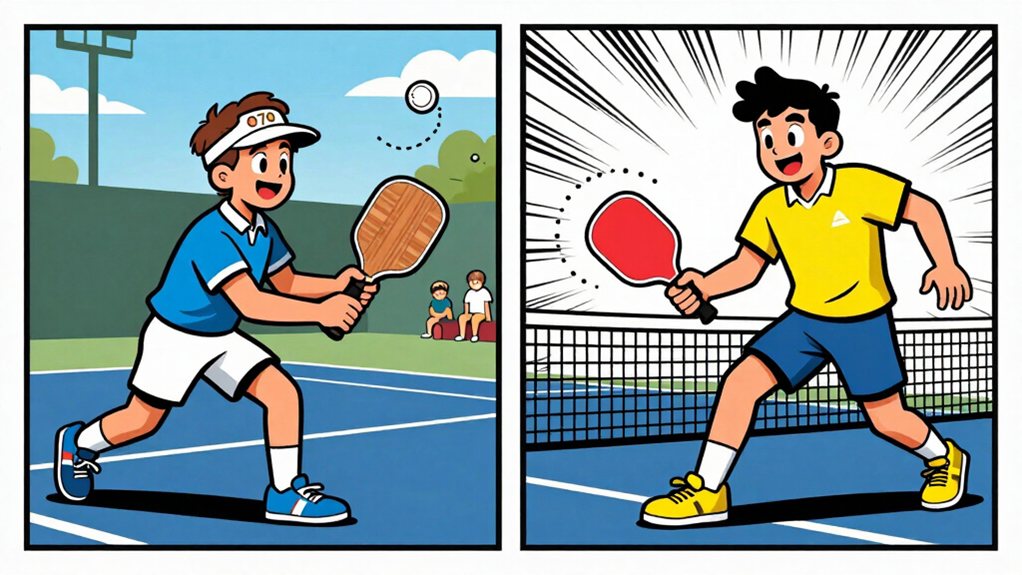
You may wonder where the Erne came from and who gets the credit for this shot.
The move takes its name from Erne Perry, a player who refined the technique and brought it into competitive pickleball.
We see the Erne used today because Perry showed other players how to execute it effectively on the court.
Erne Perry’s Innovation
Since Erne Perry first popularized this advanced volley technique, the Erne has become a signature move in competitive pickleball. Erne Perry discovered that volleying from outside the kitchen gave you a faster, higher hitting point than staying inside the non,volley zone.
He showed that by moving around the kitchen you could cut off opponent angles, surprise them, and force errors.
The key is to keep both feet outside the NVZ at the moment you strike the ball. You may jump over the kitchen corner or run around the side line, but you must re,establish your feet completely outside the kitchen before you make contact.
Practice this move in drills, and you’ll increase your court coverage, add surprise, and create even more winning opportunities notably.
Origin Of The Name
The name Erne comes from Erne Perry, the player who first popularized this shot in competitive play. You may wonder why a pickleball shot bears a person’s name. The answer lies in Perry’s contribution to the sport. She demonstrated the shot in tournaments and taught other players the technique during the 1980s.
Her peers began calling it “the Erne” to honor her innovation. The name stuck and became standard terminology in pickleball. Unlike other sports terms that change over time, this name remained constant for decades. You now understand why we call this special volley the Erne.
The name reflects Perry’s legacy in pickleball history. It acknowledges her role in developing an advanced technique that changed how players approach the net. When you use this shot, you participate in a tradition that honors a pioneering player.
Competitive Play Adoption
After Erne Perry demonstrated this technique in tournaments during the 1980s, competitive players quickly recognized its strategic value. You see, the shot gave players a way to attack earlier and surprise opponents. By the 1990s, you find the Erne appearing in tournament brackets nationwide.
We track the adoption through three key phases:
| Era | Adoption Level | Notable Players |
|---|---|---|
| 1980s | Experimental | Erne Perry |
| 1990s | Growing | Top tournament pros |
| 2000s+ | Mainstream | All competitive levels |
You integrate the Erne into your game by following these steps:
- Watch opponent positioning carefully
- Time your movement to the sideline
- Contact the ball outside the kitchen
The technique works best when you disguise your intent until the last possible moment.
What Are the Different Types of Erne?
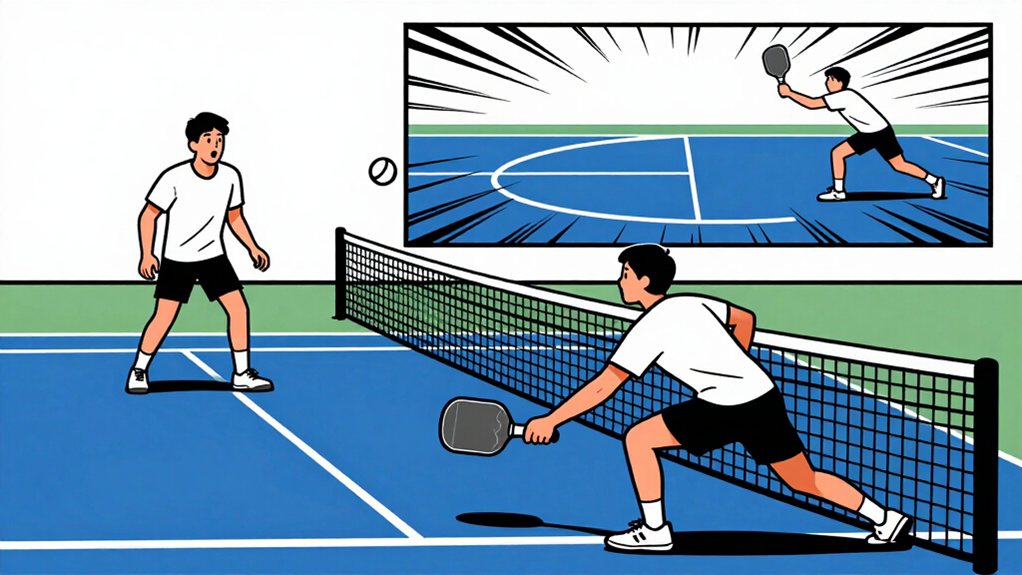
There are several distinct ways to execute an Erne in pickleball, and each variation suits different court situations. Here are the main types you can use:
- Jump Erne: You jump over the kitchen corner, contact the ball mid-air, and land with both feet outside the sideline. This creates a high-angle attacking shot.
- Run-Around Erne: You sprint around the kitchen’s edge while the ball is in flight. You plant both feet outside the court before striking the ball.
- Through-the-Kitchen Erne: You run through the non-volley zone, drag your back foot to re-establish both feet outside the zone, then volley.
- Aerial Erne: You leap from outside the kitchen, hit the ball while airborne, and land beyond the sideline. Both feet stay above the ground at contact.
- Standing Erne: You position yourself next to the kitchen but outside the court. You never leave the ground; you simply step and volley from an extreme angle.
Each type gives you different court coverage and surprise value. Choose based on your position and the opponent’s shot placement.
What Mistakes Can Void an Erne?
When you attempt an Erne, failing to keep both feet outside the non-volley zone voids the shot instantly. You must re-establish both feet outside the kitchen before contact. Touching the non-volley zone line or surface during the jump also invalidates your shot. The same rule applies if either foot lands inside the zone after contact.
Here are the key mistakes that will void your Erne:
- Failing to re-establish both feet outside the NVZ after running through the kitchen before striking the ball
- Touching the non-volley zone line or surface during the jump or while airborne
- Landing with either foot inside the non-volley zone after contacting the ball
- Contacting the ball while either foot is still touching the non-volley zone or its lines
How to Counter an Opponent’s Erne
Understanding what makes an Erne illegal helps you defend against it. You can’t miss the opponent’s movement early, then adjust your shot placement and positioning.
Follow these steps:
- Watch the opponent’s run to the sideline.
- Hit the ball away from the sideline, toward the center or deep in the court.
- Use a high, loopy dink to force the opponent to stay back.
- Move to the non-volley zone line quickly to cut off angles.
- Keep your feet outside the kitchen at all times, a fault forces the opponent to reset.
Frequently Asked Questions
What Paddle Features Help Optimize an Erne?
Use a paddle with excellent touch for precise net shots and adequate power for steep angles. You’ll want a comfortable grip that handles quick swings during your jump, and a balanced feel for fast reactions.
Can the Erne Be Used Effectively in Singles Play?
Research shows 68% of singles points end at the net. Yes, you can use the erne effectively in singles, it catches opponents off guard when they expect you to stay baseline, creating short angles they can’t recover from.
How Frequently Do Pro Players Attempt an Erne?
Professional players attempt an erne rarely, using it only as a strategic surprise weapon. You’ll see them execute it once or twice per match, typically when they read predictable opponent patterns and identify the perfect moment to capitalize.
Are There Any Injury Risks Associated With the Erne?
You risk ankle sprains, knee injuries, and awkward landings when jumping over the kitchen. Your feet must re-establish outside the non-volley zone or you’ll fault. Watch for net post collisions.
What Training Drills Can Improve My Erne Execution?
Even if you think you’re not agile enough, practice shadow swings near the kitchen, then add lateral jump drills. Run through the kitchen repeatedly until your footwork feels natural, then incorporate live ball repetitions consistently.
Final Thoughts
Add the erne to your game, and you’ll surprise opponents. We stand at net, place our paddle outside the sideline, and strike when the ball arcs low. Follow these steps: 1) Wait for a dink near the baseline. 2) Step wide, keep your non‑volley zone foot outside. 3) Swing fast, aim at the open court. The erne is a weapon—a sharp arrow that pierces the opponent’s defense. Practice it, and you gain a competitive edge.